Karmactive Team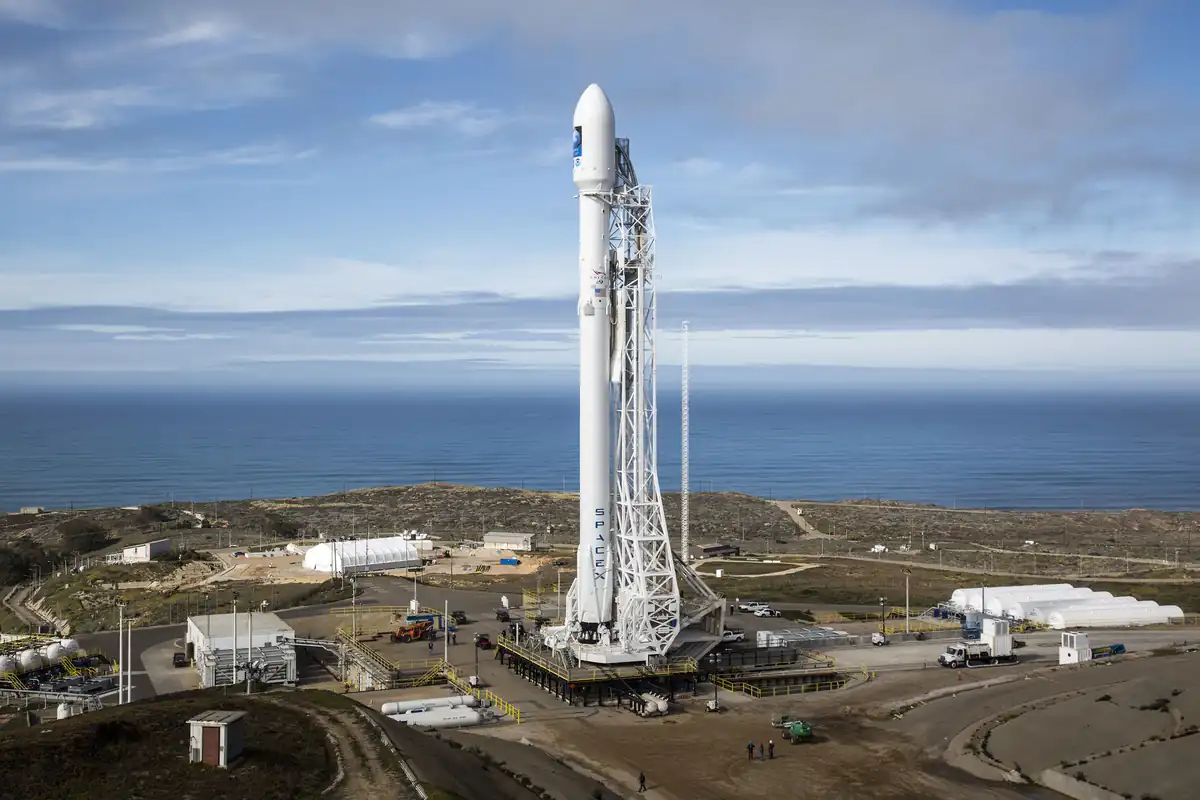
Moving AI data processing into space sounds like engineering overkill until you understand what it is actually solving. Terrestrial data centers face growing constraints on electrical grid capacity, and orbital satellites generate more sensor data than existing satellite-to-ground radio links can transmit. Google’s Project Suncatcher is testing whether space-based chips can help address both problems at once.
On October 1, 2026, Google launched a prototype satellite carrying four Tensor Processing Units (TPUs) — its specialized AI chips — into orbit aboard a SpaceX Falcon 9 Transporter-18 rideshare mission from Vandenberg Space Force Base, in partnership with Planet Labs. Travis Beals, Google’s Senior Director of Paradigms of Intelligence and the project’s lead, confirmed first contact with the satellite, stating it is “operating as expected.” The satellite will gather in-orbit data on how the TPUs handle radiation, thermal extremes, and physical stress over the next year, if all goes to plan.
Project Suncatcher is testing whether space-based machine learning and direct on-orbit data processing are technically viable. The prototype phase will determine whether the approach can work under the physical constraints of orbit. Broader infrastructure costs in space currently exceed those of ground facilities, and the project’s findings will inform whether this direction is commercially viable at scale.
The Real Engineering Constraints: Heat and Bandwidth
Space is a vacuum — there is no air for convective cooling, the mechanism that keeps most data center hardware running. Satellites must balance extreme solar heat on their Sun-facing side against deep-space cold on the other, using radiative panels rather than fans or liquid cooling loops. This constraint limits how much processing power can be packed into a satellite platform and is one of the primary technical challenges the project is measuring.
The bandwidth bottleneck is just as consequential. Processing sensor imagery and AI inference directly on-orbit reduces the volume of raw data that needs to be transmitted back to Earth. By completing analysis aboard the satellite, the system can significantly reduce required satellite-to-ground radio spectrum — one of the key efficiency gains the project is designed to demonstrate.
Why Data Centers Are Looking Upward
Terrestrial AI data centers face growing pressure from rising electricity demand from AI workloads, which has accelerated faster than utility infrastructure can expand in some regions. Space-based computing draws from near-continuous solar energy without atmospheric filtration — though satellites in low-Earth orbit do experience brief eclipse periods during each orbital pass. The downstream implications for AI infrastructure energy demand are part of what is driving interest in this research direction.
What This Isn’t
This is not a plan to host conversational AI in orbit. The energy and cooling constraints of current satellite platforms make large-scale consumer AI workloads impractical in space for the foreseeable future. Project Suncatcher’s current scope is a research prototype evaluating technical viability for specialized compute applications. The coming weeks of telemetry data will be the first real test of whether the architecture can sustain workloads under orbital conditions.
\
\ .karmactive-push-footer { max-width: 720px; margin: 32px auto 0; padding: 22px 24px; border-radius: 14px; background: \#f0f4f8; border: 1px solid \#d8e4ea; text-align: center; font-family: \-apple-system, BlinkMacSystemFont, “Segoe UI”, Roboto, sans-serif; } .karmactive-push-footer h4 { margin: 0 0 6px; font-size: 1.15rem; color: \#102a43; } .karmactive-push-footer p { margin: 0 0 16px; font-size: 0.92rem; color: \#4a5568; line-height: 1.5; } .karmactive-push-actions { display: flex; gap: 10px; justify-content: center; flex-wrap: wrap; } .karmactive-push-btn { display: inline-flex; align-items: center; gap: 6px; min-height: 44px; padding: 10px 20px; border: 0; border-radius: 999px; font-size: 0.92rem; font-weight: 700; cursor: pointer; text-decoration: none; transition: transform 0.15s ease, box-shadow 0.15s ease; } .karmactive-push-btn:hover { transform: translateY(-2px); } .karmactive-push-btn:active { transform: translateY(0); } .karmactive-push-btn.primary { background: \#63b89c; color: \#082032; box-shadow: 0 6px 16px rgba(99, 184, 156, 0.35); } .karmactive-push-btn.secondary { background: \#fff; color: \#102a43; border: 1.5px solid \#d8e4ea; } .karmactive-push-status { margin-top: 12px; font-size: 0.84rem; color: \#5a6e7e; min-height: 1.2em; } @media (max-width: 600px) { .karmactive-push-footer { margin-left: 0; margin-right: 0; border-radius: 10px; padding: 18px 16px; } .karmactive-push-actions { flex-direction: column; } .karmactive-push-btn { width: 100%; justify-content: center; } } \
\
\
\
\
🔔 Enable push notifications
\
Subscribe by email
\
\
\
\
\
(function () {
var btn \= document.getElementById(‘karmactivePushBtn’);
var status \= document.getElementById(‘karmactivePushStatus’);
if (\!btn) return;
function setStatus(msg) {
if (status) status.textContent \= msg;
}
function fallback() {
setStatus(‘Push notifications are not supported in this browser. Try the email option above.’);
}
btn.addEventListener(‘click’, function () {
try {
/\* OneSignal v16+ deferred SDK \*/
if (window.OneSignalDeferred && Array.isArray(window.OneSignalDeferred)) {
setStatus(‘Opening notification prompt…’);
window.OneSignalDeferred.push(function (OneSignal) {
if (OneSignal && OneSignal.Notifications && typeof OneSignal.Notifications.requestPermission \=== ‘function’) {
OneSignal.Notifications.requestPermission()
.then(function () {
setStatus(‘You will receive push notifications when new articles are published.’);
})
.catch(fallback);
} else {
fallback();
}
});
return;
}
/\* OneSignal direct object \*/
if (window.OneSignal && OneSignal.Notifications && typeof OneSignal.Notifications.requestPermission \=== ‘function’) {
OneSignal.Notifications.requestPermission()
.then(function () {
setStatus(‘You will receive push notifications when new articles are published.’);
})
.catch(fallback);
return;
}
/\* Older OneSignal SDK \*/
if (window.OneSignal && typeof OneSignal.push \=== ‘function’) {
setStatus(‘Opening notification prompt…’);
OneSignal.push(function () {
if (typeof OneSignal.showSlidedownPrompt \=== ‘function’) {
OneSignal.showSlidedownPrompt();
} else {
fallback();
}
});
return;
}
fallback();
} catch (e) {
fallback();
}
});
})();
\

Latest from Science
August 2, 2027 solar eclipse: Totality path, timing and what India will see
World Space Week 2026: “Rocket Revolution” theme and what it means for access to orbit
Resistance training after 40: how regular workouts help preserve muscle strength
Seven-day water fast study: major protein changes became evident after day three
OpenAI Dots vs Meta Muse: what AI agents can do across your apps
Early-onset cancer rose 79% since 1990—what younger adults should know
2026 Nobel Prize Honors Optogenetics: How Light Can Control Brain Cells
Russian Plague Lab Death Remains Unconfirmed as U.S. Says It Is Willing to Help
New Study: Stochastic Solar Mass Loss Could Destabilize Outer Planets in 1 Billion Years — Not the 100 Billion Predicted

M4.9 Afghanistan Earthquake at 220km Depth Shakes Kashmir and Islamabad — Here’s Why Nothing Collapsed
28.3% Weight Loss, 65% Below BMI 30: Eli Lilly’s Retatrutide Phase 3 Data Just Reset the Bar for Obesity Drugs
High LDL Is Dangerous Even in Fit, Healthy People — What Cardiologists Say About the Viral Claims
Russian Lab Researcher Dies at Siberian Anti-Plague Institute — 197 Under Monitoring, Pneumonia Suspected
7:30pm, Not 2am: October’s First Meteor Shower Breaks Every Standard Stargazing Rule — Here’s Why