Karmactive Team
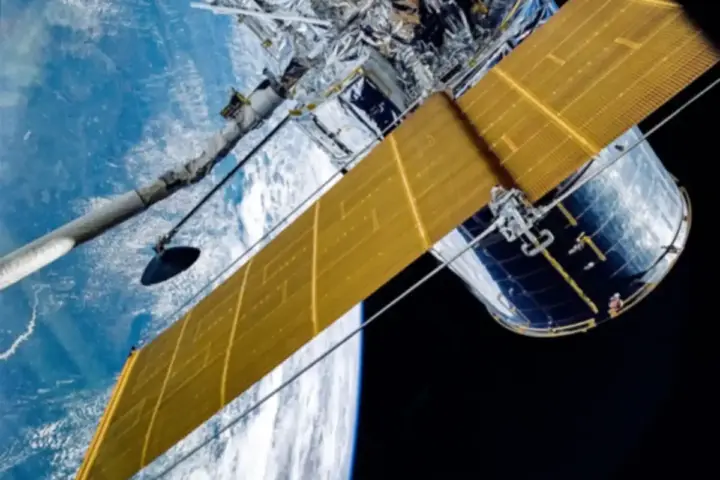
Before astronauts practice spacewalks, they practice scuba diving. The training environments share more than buoyancy — both require careful management of limited resources, acute attention to systems that fail without warning, and the ability to stay calm inside a hostile environment that will not forgive carelessness.
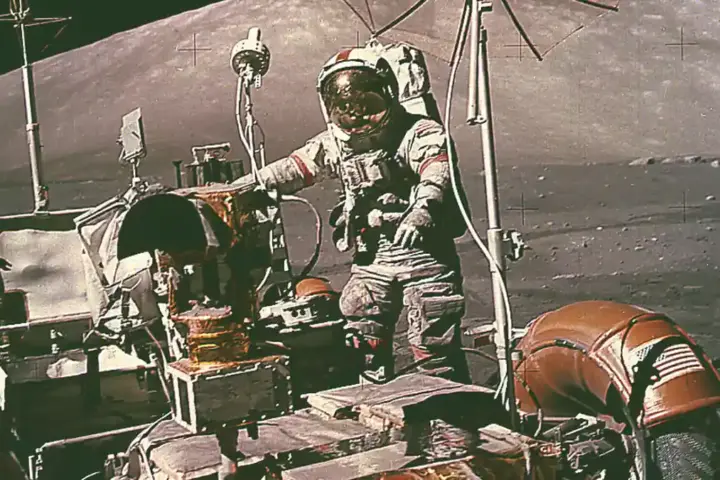
Veteran NASA astronaut and aquanaut Nicole Stott — who logged 104 days in space across two missions, performed spacewalks on the International Space Station, participated in the NEEMO 9 underwater habitat mission, and authored Back to Earth — described how that cross-training changed her relationship to ocean stewardship: “As astronauts, one of the first things we do is learn to scuba dive, to practice living and working in microgravity, and how to do a spacewalk. That experience gave me a completely new appreciation for the ocean and made me want to help protect it.”
The shift in perspective extends beyond the ocean itself: “People tend to forget how connected space and our underwater world are. If we can encourage people to accept that role as a crewmate and not a passenger, to remind ourselves we’re on a planet and space, then this is our spaceship. And we need to take an active role in protecting its ability to support our life.”
The crewmate framing is practical rather than poetic. Passengers observe what happens around them and expect someone else to maintain the systems. Crewmates carry responsibility for outcomes. The astronaut experience generates that shift almost incidentally — scuba training produces ecological concern as a byproduct of preparing to leave the atmosphere.
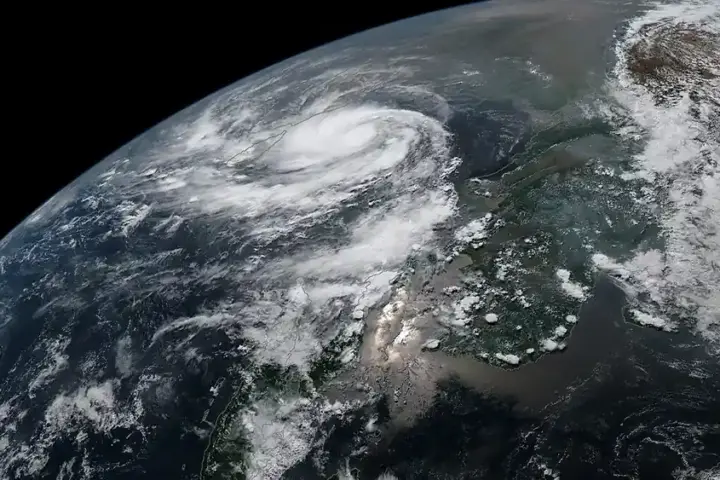
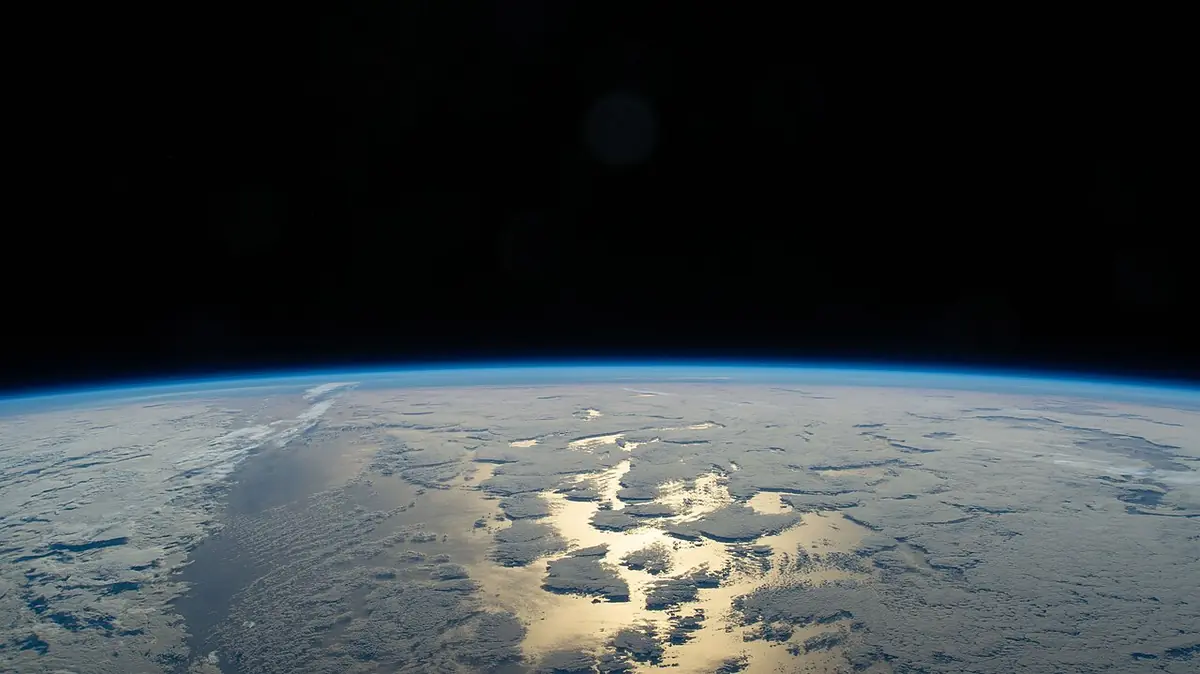
Earth seen from orbit carries no visible administrative boundaries. Oceans cover roughly 71 percent of that surface. The argument, from people who have seen the whole picture, is that the crewmate perspective is not a metaphor — it is a straightforward description of shared dependency on a closed system. For anyone following ocean conservation science and planetary stewardship initiatives, Stott’s framing offers a communication approach with a track record of shifting how people think about marine protection.
World Space Week and ocean conservation programs continue to draw on astronaut testimony as a bridge between space exploration and environmental advocacy. Check back for related features.