Rahul Somvanshi
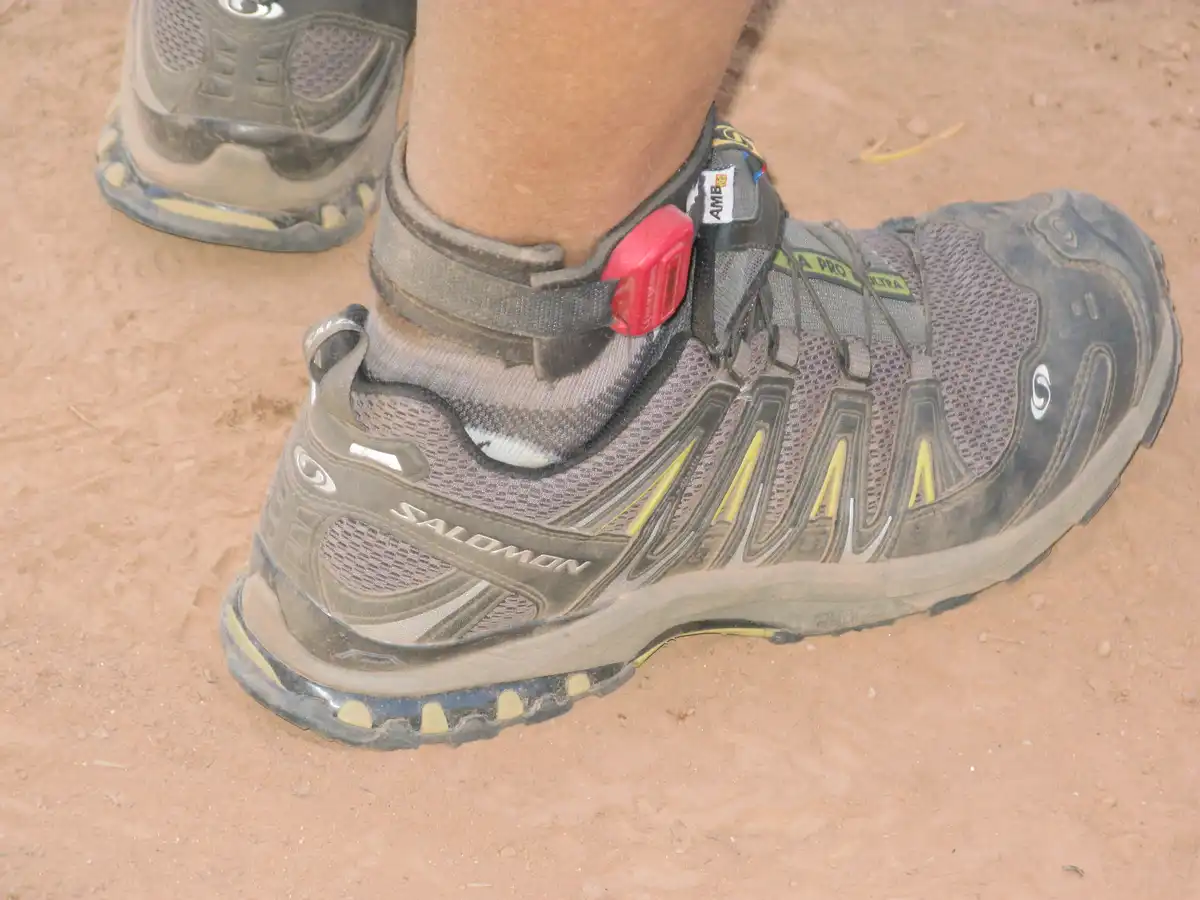
Want to know what really goes into the carbon footprint of your next pair of trainers? A new industry project is collecting that answer directly from suppliers across the footwear supply chain. Energy, materials, water and waste measured on the production line will feed into datasets shared across the sector.
Fashion for Good and Carbonfact, an environmental intelligence platform for the fashion industry, launched Project Footprints Unpacked on 26 November 2026. The project is building footwear environmental footprint data with founding brands New Balance and On. Two other footwear brands are also involved but were not named in the launch announcement. Suppliers will measure the actual energy, materials, water and waste used in their production processes. Each process will draw on at least three suppliers, so the results are robust rather than one-off snapshots. The work covers raw materials such as foams, rubber and synthetic leather. It also includes moulding, foaming, vulcanisation and assembly, plus end-of-use pathways including recycling, repair, disassembly, downcycling and landfilling. The measurements will be turned into life cycle inventory (LCI) datasets. These are the process-level building blocks for life cycle assessments (LCAs), which evaluate a product’s environmental impacts from raw materials to disposal. The datasets will be ISO-compliant, following ISO 14040 and ISO 14044, the international standards for LCAs.
If you buy shoes, this changes what a carbon claim can rest on. A footprint built from measured data at each production step is much harder to stretch than a general industry average. That is an inference from how the project works. It suggests that comparing two pairs of shoes on evidence should get easier as more brands use the same published datasets.
How the shared data will be built
The project arrives as the EU’s official Environmental Footprint (EF 3.1) datasets used for product footprints have expired. They expired at the end of 2025, and brands have been relying on temporary bridging datasets in the meantime. A new EU update, EF 4.0, is expected in 2028. It focuses on broad, cross-sector data rather than footwear-specific processes, which is the gap this project is designed to fill.
Each figure will come from several suppliers doing the same job. Carbonfact, as methodology lead, sets the system boundaries, designs the data collection and builds every dataset. Dr. Laurent Vandepaer, Carbonfact’s Head of Science, said the multi-supplier approach is key to reliability. Measuring several suppliers per process lets the data be anonymised and outliers caught. The goal, he said, is that “what gets published is data the sector can actually trust.”
Katrin Ley, Managing Director of Fashion for Good, said footwear decisions have been made on data that was rarely granular enough to bear that weight. She described the aim as building that infrastructure once, openly, so the whole industry can work from the same evidence base.
Because the data is anonymised and aggregated across multiple suppliers — a model similar to what’s emerging in disassembly-first sneaker design, individual contributions stay confidential. The datasets will be distributed across major industry-recognised platforms, and the project describes the result as an open-source, non-competitive baseline for the footwear sector. For background on how product climate claims are checked, see our guide to green claims rules for clothing and shoes. Our earlier coverage of lower-impact footwear materials shows where many of these measurements begin.
Project Footprints Unpacked launched on 26 November 2026 with New Balance, On and two other footwear brands. Fashion for Good and Carbonfact will turn supplier-level measurements from at least three suppliers per process into ISO-compliant LCI datasets. The aim is a shared evidence base that supports more robust reporting and decarbonisation decisions across the footwear sector.