Visible Light CO2 Catalyst Turns Carbon Dioxide Into Industrial Feedstock for Nearly 4 Hours
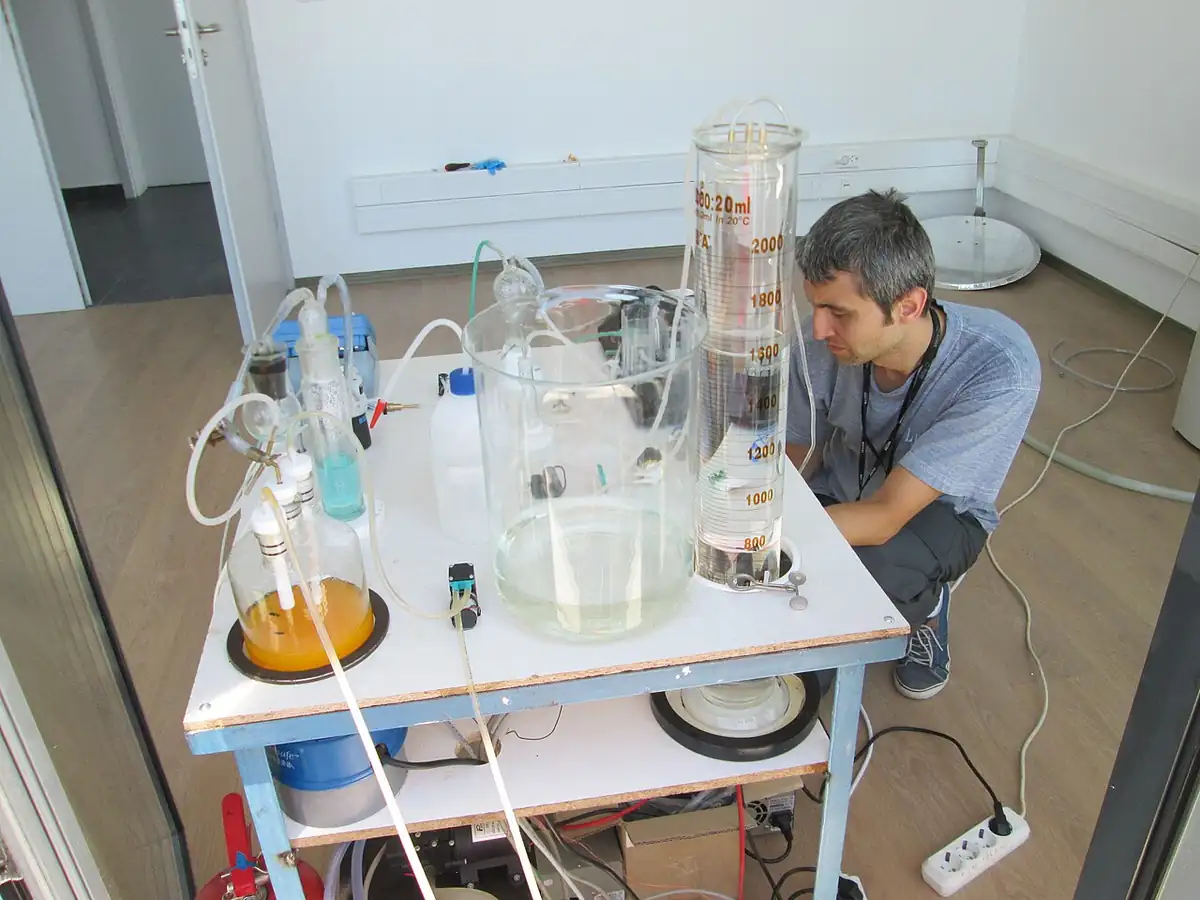
Carbon dioxide is chemically stable, which makes it difficult to reuse. A team at Rice University has built a visible light CO2 catalyst that turns it into a useful chemical. Their catalyst kept producing carbon monoxide for nearly four hours. Carbon monoxide is a common building block for plastics and other industrial products.
Rice University researchers in Houston, Texas, published the study online in the journal Proceedings of the National Academy of Sciences on November 16, 2026. The catalyst pairs copper nanoparticles, which act as tiny light collectors, with cerium oxide and uses ruthenium reaction sites. Under 475-nanometer blue light, the system produced carbon monoxide at 15,000 micromoles per hour per gram of catalyst. The reaction needed no external furnace, although the illuminated catalyst surface still reached 300 to 386 degrees Celsius (572 to 726 degrees Fahrenheit). Naomi Halas and Peter Nordlander, both Rice faculty, were senior authors.
For anyone following ways to reuse captured carbon, the practical point is the energy source. Conventional thermal methods for turning CO2 into a chemical typically operate at scorching industrial temperatures of 700 to 1,500 degrees Celsius. This method uses light instead. That shifts the energy input from a furnace to a light source, which in principle could be powered by electricity. That is an inference from the design, not a measured result.

Latest from Environment
Wind, Solar and Batteries Cut Clean Power Costs Nearly a Fifth, Ember Finds
Wind, Solar and Batteries Cut Clean Power Costs Nearly a Fifth, Ember Finds For anyone who wonders whether clean power can keep the lights on through cloudy days and still nights, a
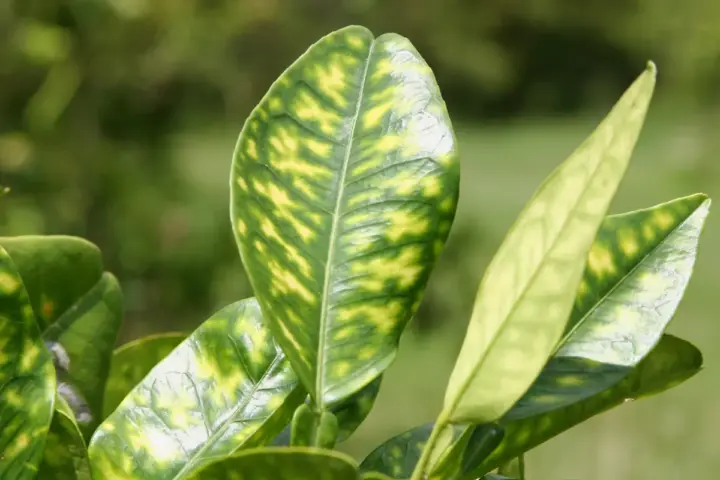
California Citrus Greening Quarantine Expands After One Positive Sample in Riverside County
If you grow citrus in the expanded Corona, Lake Elsinore, or Wildomar areas, federal rules on moving citrus may now apply to your trees. The U.S. Department of Agriculture has expanded the
D.C. Court Dismisses Three District-Court Challenges to Gulf ESA Exemption
D.C. Court Dismisses Three District-Court Challenges to Gulf ESA Exemption If you work offshore in the Gulf of America, or depend on its waters, one question matters most: does the federal exemption
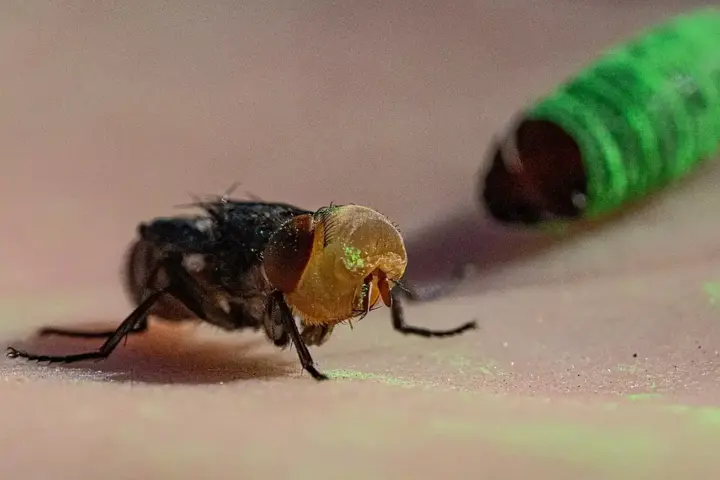
USDA Hires 228 for Sterile Fly Production Facility in Texas
If you raise cattle, horses, or pets in South Texas, New World screwworm is a threat worth watching for. The U.S. Department of Agriculture (USDA) has opened hiring for 228 positions to

62 Endangered San Francisco Garter Snakes Return to the Wild in Historic First, With 130+ More Coming in 2027
62 Endangered San Francisco Garter Snakes Return to the Wild in Historic First, With 130+ More Coming in 2027 If you have ever worried that a local species is slipping away, this

Niue Ocean Earthshot Prize Win Pushes Endowment Fundraising Past Halfway as Fish Biomass Rises 60% Since 2016
Niue Ocean Earthshot Prize Win Pushes Endowment Fundraising Past Halfway as Fish Biomass Rises 60% Since 2016 Marine parks need steady funding to stay protected. Niue, a small island nation in the
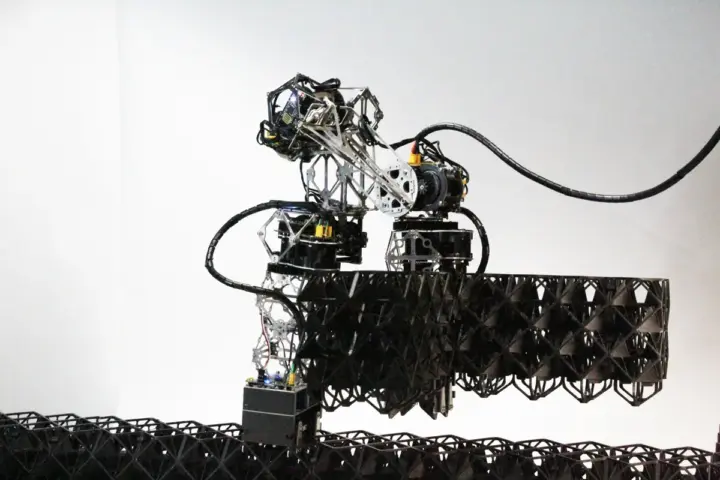
MIT Voxel Building Blocks Could Cut Embodied Carbon by Up to 82% in One-Story Building Study
MIT Voxel Building Blocks Could Cut Embodied Carbon by Up to 82% Concrete and steel can account for substantial embodied greenhouse-gas emissions in buildings. If you worry that every new home, school,
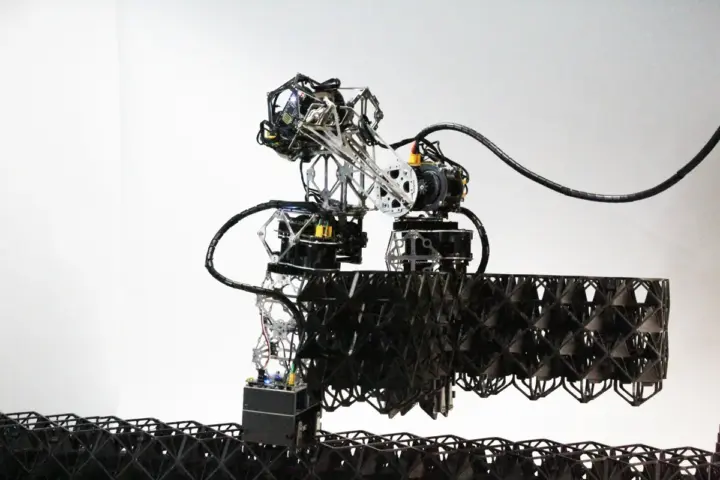
MIT Voxel Building Blocks Could Cut Embodied Carbon by Up to 82% in One-Story Building Study
MIT Voxel Building Blocks Could Cut Embodied Carbon by Up to 82% Concrete and steel can account for substantial embodied greenhouse-gas emissions in buildings. If you worry that every new home, school,
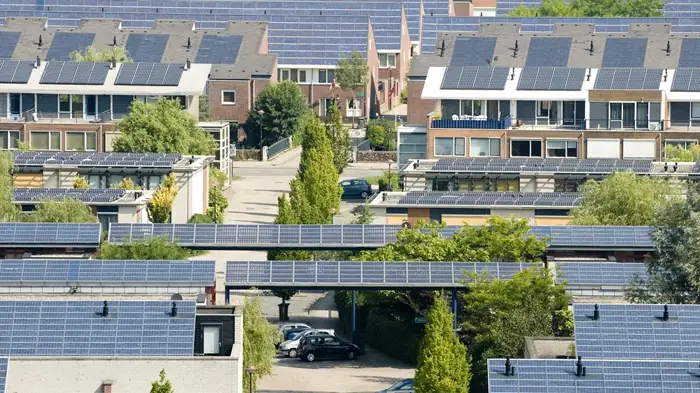
Residential Solar Heat Mortality: Rooftop Panels Cut Extreme-Heat Deaths by 8.5% in Japan
Residential solar heat mortality in Japan fell as rooftop panels spread across the country. A study in Social Science & Medicine reports the finding, and points to a practical way to keep
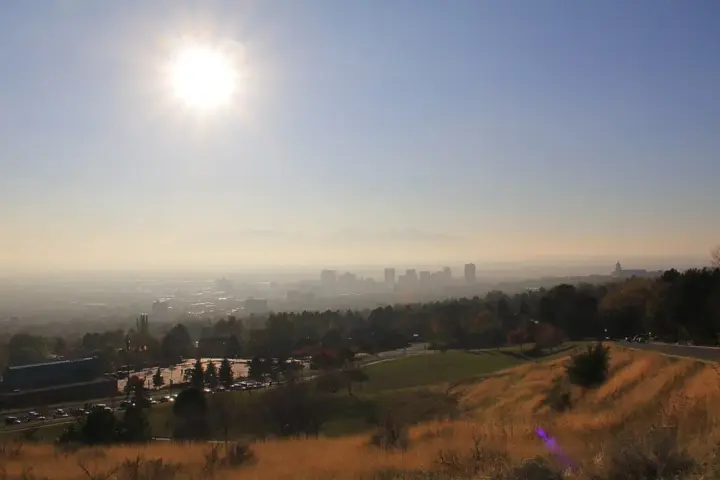
International TOAR-II Ozone Assessment Ties Smog to 500,000 COPD Deaths
If you have a parent or partner with COPD, a long-term lung disease, ozone matters to you. The same goes for anyone who checks the air quality forecast before a run. Ground-level
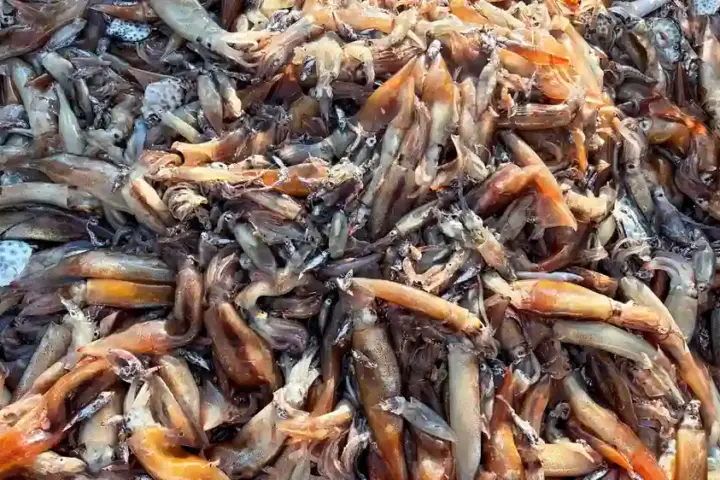
NOAA Ocean Observations Request for 2026 Closes Dec. 15
NOAA Fisheries wants to hear from you. If you spent time on the water in the Gulf of Maine, Georges Bank or the Mid-Atlantic Bight in 2026, tell the agency what you

COP31 Ends Without Antalya Pact as National Pledges Track 2.6–2.7°C of Warming
Will the world still meet the Paris Agreement’s temperature goal? The UK government’s latest answer is mixed. COP31 ends without Antalya Pact consensus; the annual UN climate summit formally closed on 22
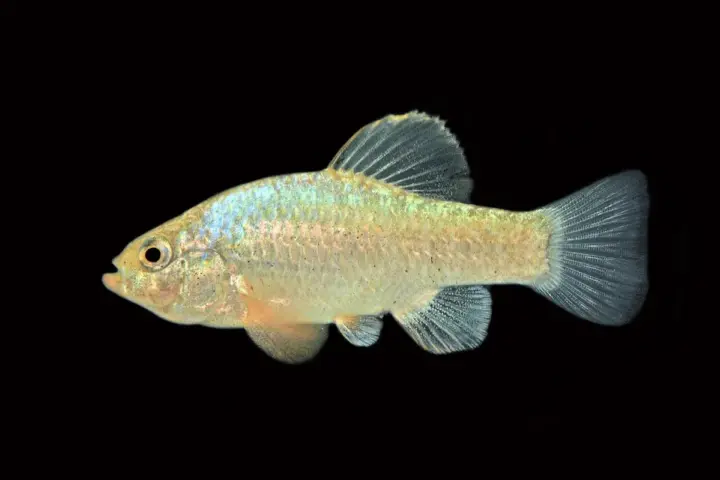
White Sands Pupfish Threatened Status Proposed Under the ESA
A fish about two inches long, found only in south-central New Mexico, has moved a step closer to federal protection. Federal wildlife officials now propose listing it as threatened under the Endangered
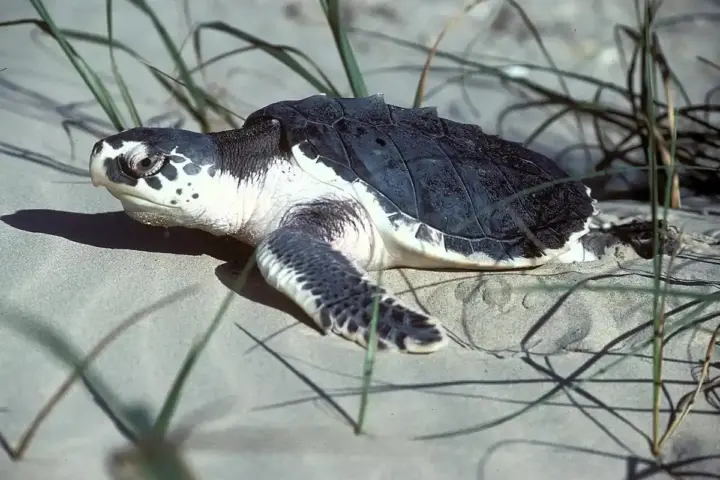
Kemp’s Ridley Sea Turtle Nests Surge 55% on Texas Beaches
Texas beachgoers may see more signs of Kemp’s ridley sea turtle nesting this year. Federal and state partners documented 697 nests along the Texas coast in 2026, up from 449 in 2025.
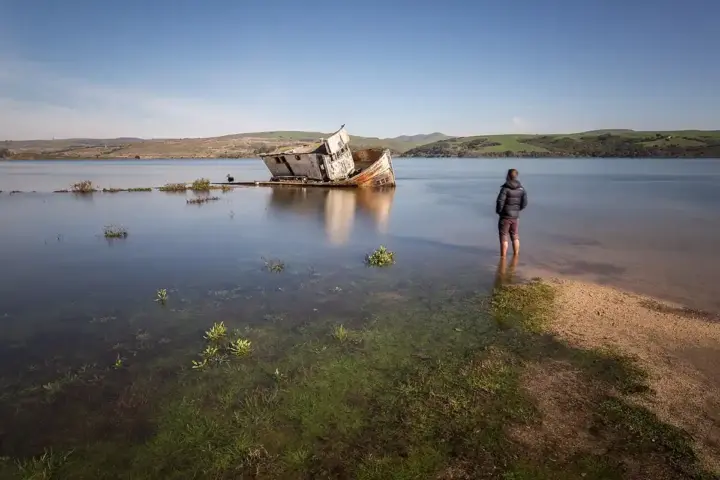
California Record Water Levels Raise Risk of Coastal Flooding
California’s above-normal high-tide window is underway November 22–27, 2026, with another forecast for December 22–26. For people living or working near the shore, those dates bring an increased risk of coastal flooding.