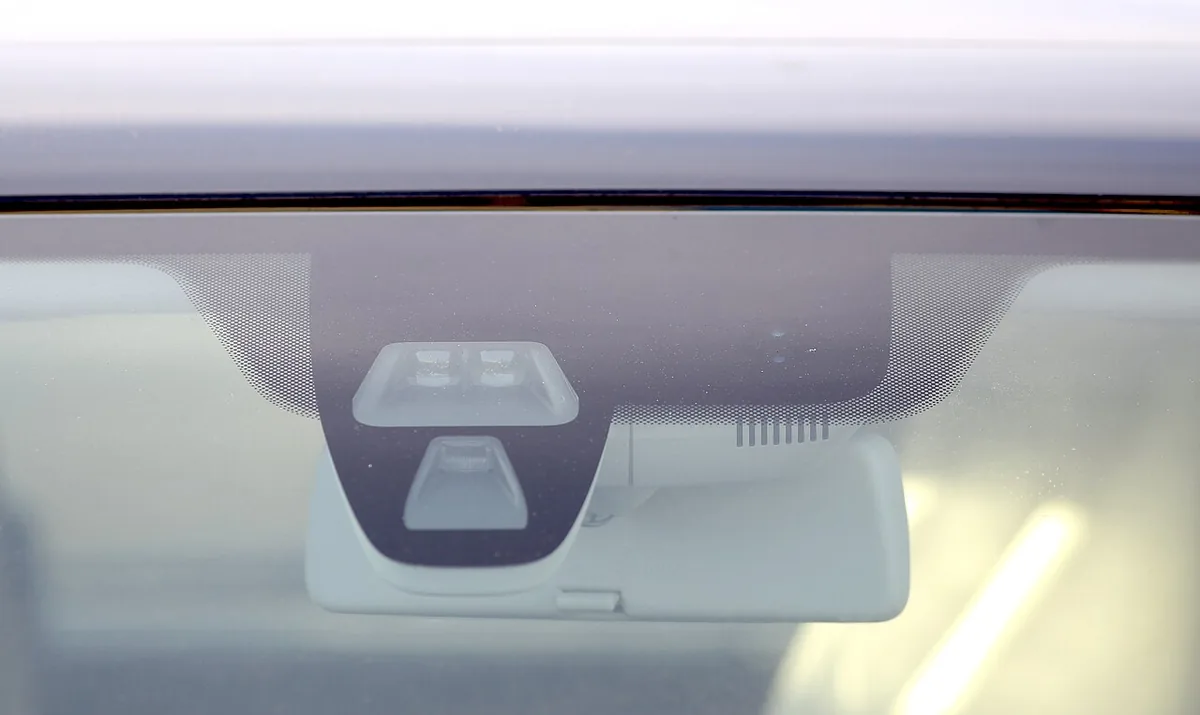
If you are buying a new car or crossing streets near traffic, you should know about a federal change. The federal rule requiring automatic emergency braking may take two more years to arrive. This NHTSA automatic emergency braking mandate delay is still only a proposal. Automatic emergency braking, or AEB, uses sensors to stop or slow a car when a crash looks likely.
On November 24, 2026, the National Highway Traffic Safety Administration (NHTSA), based in Washington, D.C., proposed moving the compliance deadline for
Federal Motor Vehicle Safety Standard No. 127 back two years. That standard, known as FMVSS 127, requires new light vehicles to include forward collision warning, AEB, and pedestrian AEB. Under the proposal, major automakers would have until September 1, 2031, instead of September 1, 2029. Small-volume manufacturers, final-stage manufacturers, and alterers would get until September 1, 2032, up from September 1, 2030. The 60-day public comment period will run after the proposal is published in the Federal Register.
For car buyers, the mandatory standard under the proposal would not cover all new light vehicles from major automakers until September 2031. The current schedule sets that date at 2029. Until then, what a new car’s braking system can do depends largely on its design, not on a federal minimum that every new light vehicle must meet. That is an inference from the proposed schedule. Pedestrians would also wait longer for the rule’s pedestrian braking requirements.
What the Testing Found and What the Rule Requires
FMVSS 127 requires AEB systems to brake when a crash looks likely, across several test scenarios. Lead-vehicle AEB must operate at speeds up to 90 mph, and pedestrian AEB up to 45 mph. Think of it as a built-in reflex that works even when the driver reacts too late.
NHTSA’s New Car Assessment Program (NCAP), the agency’s federal vehicle testing program, ran preliminary tests on model year 2025 vehicles. Those tests found that current AEB systems struggled to avoid contact consistently in high-speed and low-light conditions. A model year is the manufacturer’s designation for a vehicle, and it can differ from the calendar year the car goes on sale.
The proposal also clarifies how much test speed can vary and sets out how systems should detect malfunctions and alert drivers. NHTSA is asking for data on whether the rule is practical, how often AEB activates when no hazard exists, and whether unexpected braking creates risks on the road.
| Manufacturer group | Current deadline | Proposed deadline |
|---|
| Major automakers | September 1, 2029 | September 1, 2031 |
| Small-volume manufacturers, final-stage manufacturers, and alterers | September 1, 2030 | September 1, 2032 |
Under NHTSA’s November 24, 2026 proposal, the FMVSS 127 deadline would shift two years. Major automakers would need to comply by September 1, 2031. Small-volume manufacturers, final-stage manufacturers, and alterers would have until September 1, 2032.
Braking problems are a separate issue from AEB design, but they show how quickly brake safety concerns can reach drivers. In the UK, for example, readers can review our report on a
Citroën brake pedal defect.
Current AEB systems on model year 2025 cars showed gaps in the high-speed and low-light tests that NHTSA used. NHTSA cites these preliminary results as its reason for the two-year delay. It is an inference from the testing that drivers should not assume every existing system will reliably prevent a crash at highway speed or after dark. The proposal gives automakers more time to close those gaps before the rule applies to all new light vehicles.
The proposal will be open for public comment for 60 days after its publication in the Federal Register. Comments can be submitted under
Docket No. NHTSA-2026-2476. Drivers, pedestrians, engineers, and safety advocates can all submit comments, including data on how these systems perform. For a different kind of story about driverless cars, see our report on
Waymo charging noise in Santa Monica.

 Karmactive Team