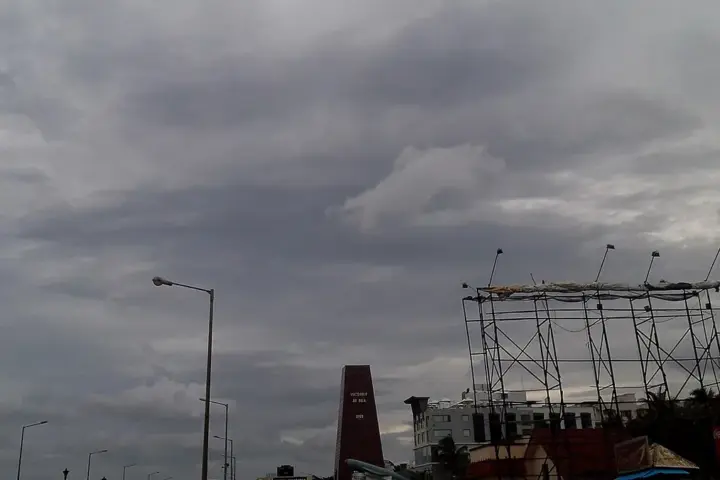
Kentucky residents have enjoyed dry, mild weather through late October, but a storm system tracked by state meteorologists is set to break that pattern over Halloween weekend, bringing rain and dropping temperatures heading into November.
WKYT Meteorologist Chris Bailey issued an early alert Monday for the Halloween weekend weather pattern. The current pattern keeps temperatures above seasonal normals—with highs in the 70s through Friday—and skies largely clear through Friday, giving families a dry window for outdoor Halloween preparations, yard work, and setup through the end of the week. After that, rain showers are forecast to move in late Saturday night, October 31, continuing into Sunday, November 1—leaving Halloween trick-or-treating conditions on Saturday evening largely dry and mild.
For families planning trick-or-treating on Saturday and outdoor events on Sunday, November 1, the heaviest rain is timed to arrive after Halloween, with showers and cooler temperatures arriving late Saturday night. The stronger cold air follows the storm system, ushering Kentucky into a wetter early-November pattern.
Longer-range European (EURO) and American (GFS) models agree on an active, wetter November for Kentucky following this weekend’s front passage. Families who can complete outdoor Halloween preparations by Thursday afternoon will be ahead of the incoming weather window.
(function () {
var btn = document.getElementById('karmactivePushBtn');
var status = document.getElementById('karmactivePushStatus');
if (!btn) return;
function setStatus(msg) {
if (status) status.textContent = msg;
}
function fallback() {
setStatus('Push notifications are not supported in this browser. Try the email option above.');
}
btn.addEventListener('click', function () {
try {
/* OneSignal v16+ deferred SDK */
if (window.OneSignalDeferred && Array.isArray(window.OneSignalDeferred)) {
setStatus('Opening notification prompt...');
window.OneSignalDeferred.push(function (OneSignal) {
if (OneSignal && OneSignal.Notifications && typeof OneSignal.Notifications.requestPermission === 'function') {
OneSignal.Notifications.requestPermission()
.then(function () {
setStatus('You will receive push notifications when new articles are published.');
})
.catch(fallback);
} else {
fallback();
}
});
return;
}
/* OneSignal direct object */
if (window.OneSignal && OneSignal.Notifications && typeof OneSignal.Notifications.requestPermission === 'function') {
OneSignal.Notifications.requestPermission()
.then(function () {
setStatus('You will receive push notifications when new articles are published.');
})
.catch(fallback);
return;
}
/* Older OneSignal SDK */
if (window.OneSignal && typeof OneSignal.push === 'function') {
setStatus('Opening notification prompt...');
OneSignal.push(function () {
if (typeof OneSignal.showSlidedownPrompt === 'function') {
OneSignal.showSlidedownPrompt();
} else {
fallback();
}
});
return;
}
fallback();
} catch (e) {
fallback();
}
});
})();