 Govind Tekale
A viral reel promotes a pickup option for old clothes and advises people to sort wearable garments separately from damaged textiles. Sorting is sensible, but the specific service named in the video could not be independently verified by Karmactive, so readers should not assume it operates in their area or handles every item as claimed.
Start with condition, not a single “recycling” label
Clean, wearable clothing may be suitable for reuse through local charities, mutual-aid groups, community organisations, resale channels or responsible take-back schemes. Contact an organisation first: many do not accept stained, wet, mouldy, heavily torn or unsafe items, and some have seasonal or category restrictions.
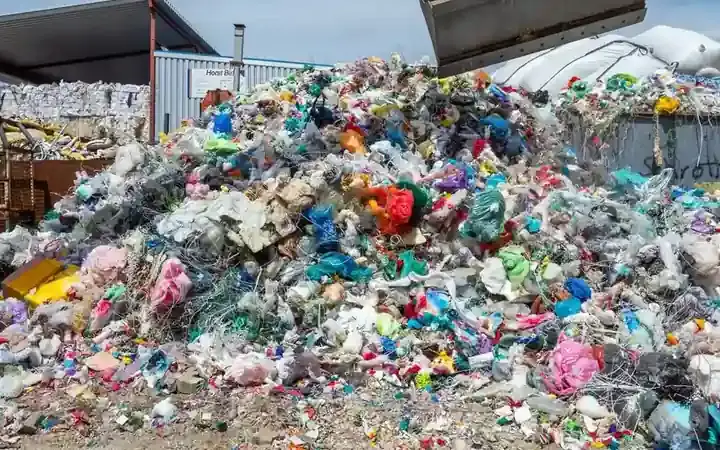
Textiles that are no longer wearable may be accepted by specialised textile-recovery programmes. “Recycling” can mean different outcomes: fibre-to-fibre recycling, downcycling into insulation or wiping cloths, energy recovery, or sorting for resale. A collector should be able to explain what it accepts, where it sends material and whether pickup is available at the sender’s address.
How to prepare a collection
Before donating or sending clothing, wash and dry it if the receiving organisation requests that. Separate wearable items from damaged textiles, pair shoes, empty pockets and remove personal information. Put items in sealed bags only if that matches the collector’s instructions; storage and sorting needs differ between programmes.
Do not use an unverified pickup link simply because it appears in a social-media reel. Check the organisation’s official website, address, contact details, eligibility rules and privacy practices before booking a collection. Ask whether it is a donation, resale, reuse or recycling programme, and whether there is any fee.
Reduce textile waste earlier
The most reliable way to extend a garment’s life is to wear it longer, repair it, alter it, swap it, pass it on or buy second-hand when appropriate. Donation and recycling are useful tools, but neither removes the need for collection, sorting and end markets for the materials.
Bottom line: The reel’s advice to separate wearable and damaged clothes is practical. Its named pickup service and claim that unusable textiles are converted into new yarn were not independently verified, so this article does not endorse the service. Use a transparent local collector whose handling route you can confirm.
Source note: the supplied social-media reel was treated as unverified for the service-specific claims.