Tejal Somvanshi
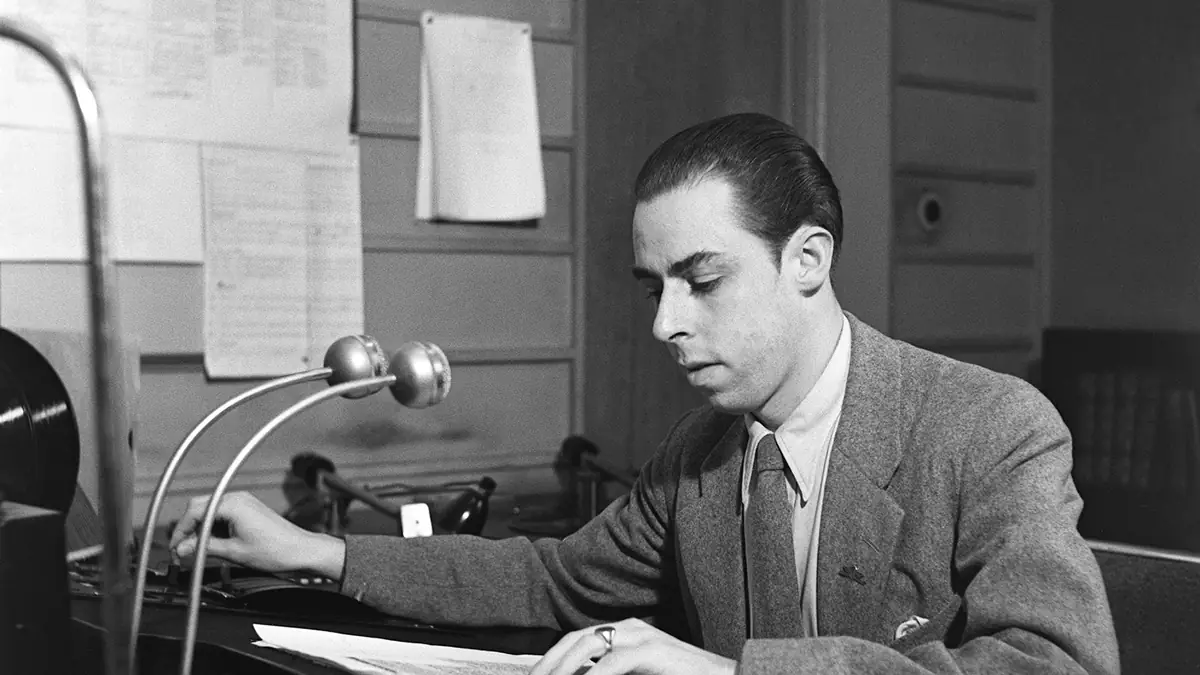
Noah Adams, whose voice was part of the daily routine for millions of American public radio listeners across two decades, died on October 16 in Yellow Springs, Ohio. He was 84. His wife, Neenah Ellis, confirmed his death to NPR.
Adams co-hosted All Things Considered, NPR’s flagship afternoon news program, for 18 years across two stints — becoming weekday co-host in September 1982, leaving in 1987, and returning in 1989, with his regular hosting role continuing through 2002. During that period, All Things Considered grew from a fledgling experiment in public radio into one of the most listened-to news programs in the United States. Adams was one of the voices listeners most closely associated with that growth.
His manner was unhurried and curious — he paid close attention to the texture of ordinary stories, not only breaking news. He gave space to people outside major cities and to subjects that commercial radio treated as soft: regional culture, working people, the daily texture of American life.
The Tape Ira Glass Kept for Nearly 40 Years
Ira Glass, the creator and host of This American Life, told NPR that he has kept a cassette tape for nearly four decades — a 1987 recording of Adams interviewing an 8-year-old girl, Betsy Walter, about her parents’ divorce. Adams had used conversation about her dogs to put her at ease before the interview, then guided her gently into the harder subject.
Glass says that tape became one of his guiding examples when developing the storytelling approach for This American Life, which launched in 1995 and went on to become one of the most listened-to audio journalism programs in the world.
For Glass, the tape captured what radio could do that no other medium could: give ordinary people the time and space to say something true. Adams was producing that kind of work as a matter of course, not as an experiment. This American Life at 30: how Ira Glass built one of audio journalism's most influential programs
His Career After the Co-Hosting Chair
Adams left his regular hosting role in 2002 and continued contributing to NPR. He had previously left the show in 1987 to pursue other work before returning two years later.
He came to NPR during a period when public radio was still defining what it was. Commercial radio news was compressed and urgent; public radio made space for stories that needed room. Adams was a practitioner of that slower cadence before it became a deliberate style, and he influenced a generation of producers who trained at NPR in the 1980s and 1990s. NPR's history: how All Things Considered became American public radio's foundation
He also wrote several books, including Piano Lessons (1997), an account of learning to play the piano at 51.
His Death and Tributes
Adams died in Yellow Springs, Ohio, a small town in southwest Ohio with a strong arts history where he had lived for several years. NPR’s current leadership and former colleagues released tributes following the announcement of his death.
He is survived by his wife, Neenah Ellis.
All Things Considered continues to air on NPR stations across the United States, Monday through Friday, and recently reached its 55th year on air.