 Rahul Somvanshi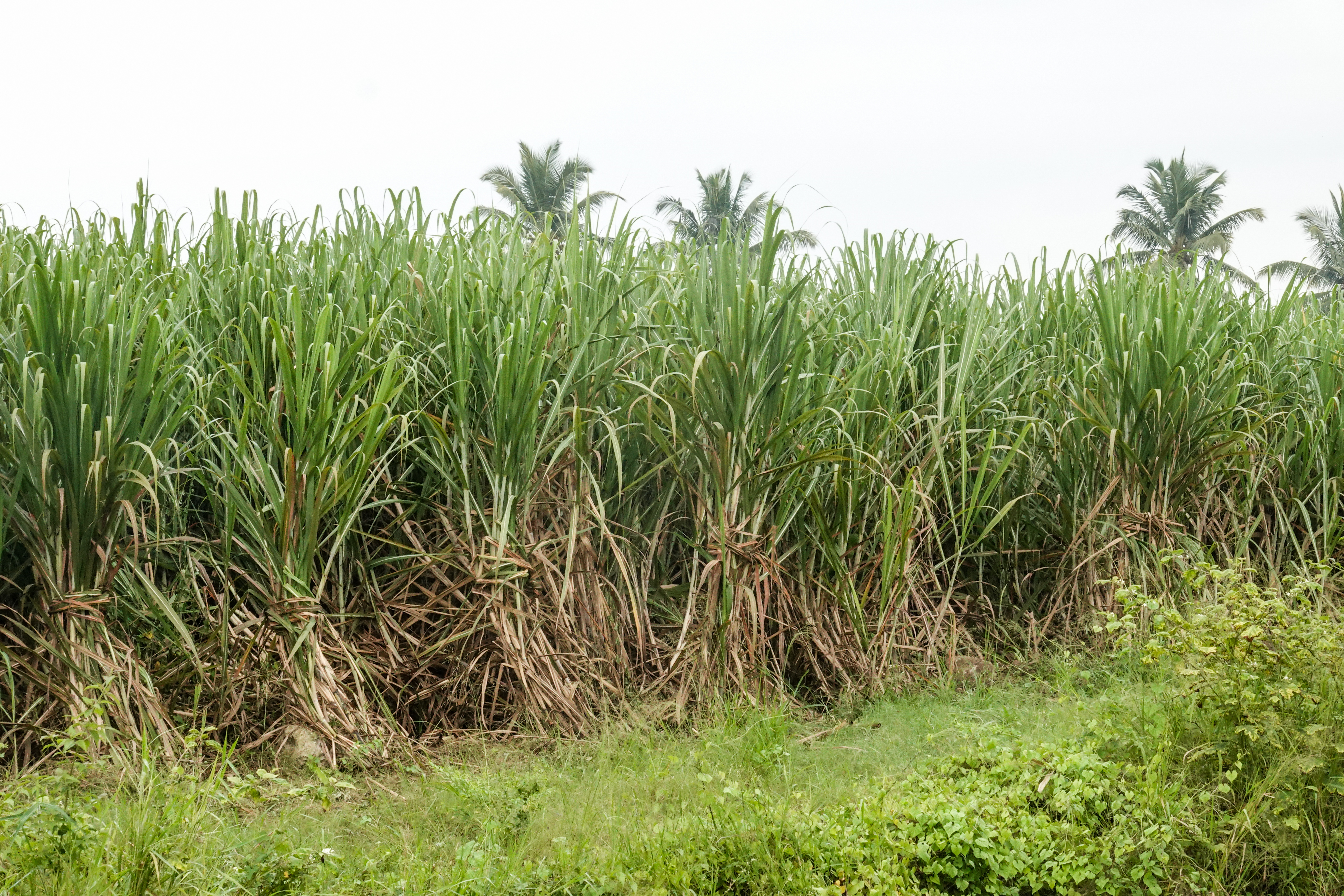
When Policy Collides with Markets: The Mills’ Gamble on Profit Over Fuel
Sugar prices hit record levels in 2026. Mills, faced with the opportunity to capture unusually high margins, diverted roughly 3 million tons of their output—about 10% of India’s total sugar production—into ethanol rather than market as sugar. Government policy encouraged the shift. India’s mandatory fuel-blend mandate required ethanol in gasoline, and oil refineries needed feedstock. The mills were supposed to deliver that feedstock while capturing margins on both sugar and ethanol production.
The plan collided with scarcity. Global sugar production fell short of demand. Prices spiked. Suddenly, the ethanol path—profitable under normal conditions—became suboptimal. A mill that produced sugar for market could sell at extraordinary prices. The same mill that diverted sugar to ethanol captured a lower margin, even on the ethanol co-product. The numbers shifted overnight.
The government’s response was to restrict the diversion. India banned sugar exports in May 2026. It imposed dealer stock limits in July 2026. The aim was to encourage mills to retain sugar for domestic supply rather than export or divert. The policy was a direct reversal: government had previously incentivized ethanol production; now it discouraged it.
Why the reversal? As of mid-2026, India’s ethanol production capacity reached approximately 20 billion liters per year, up from earlier estimates of about 9 billion liters. Oil refineries procure roughly 11-12 billion liters annually under the mandatory blend mandate. The supply-demand balance for ethanol is comfortable. But sugar supply is not. Global prices were high, and India wanted domestic sugar available at lower prices for consumers and food processors.
Industry representatives were explicit about the trade-off. “Without price support for ethanol, forget ethanol—produce sugar,” they told government officials. Mills cannot afford to be charitable. If ethanol commands lower margins than sugar, mills will choose sugar. The government could subsidize ethanol production to make it more attractive, but such subsidies were not implemented. Reuters and S&P Global analysis documented this market reversal.
The mills’ logic is defensible. They are not conservation bodies or infrastructure operators. They are commercial enterprises. If policy changes make one product uneconomical relative to another, they shift production. The government was surprised only if it believed that subsidized ethanol production would survive high sugar prices. Markets know otherwise.
One longer-term question: as sugar prices normalize from record levels, will mills return to ethanol? Possibly. If prices settle at levels where both sugar and ethanol are viable, mills will diversify again. The volatility reveals a fragility in India’s biofuel strategy. Dependence on diverting food-crop production to fuel is inherently unstable when food prices spike. In such moments, food security will dominate, and fuel policy will be sacrificed. This dynamic reflects broader challenges in sustainable energy transitions and the tension between renewables like bioethanol and carbon-capture innovation.