 Govind Tekale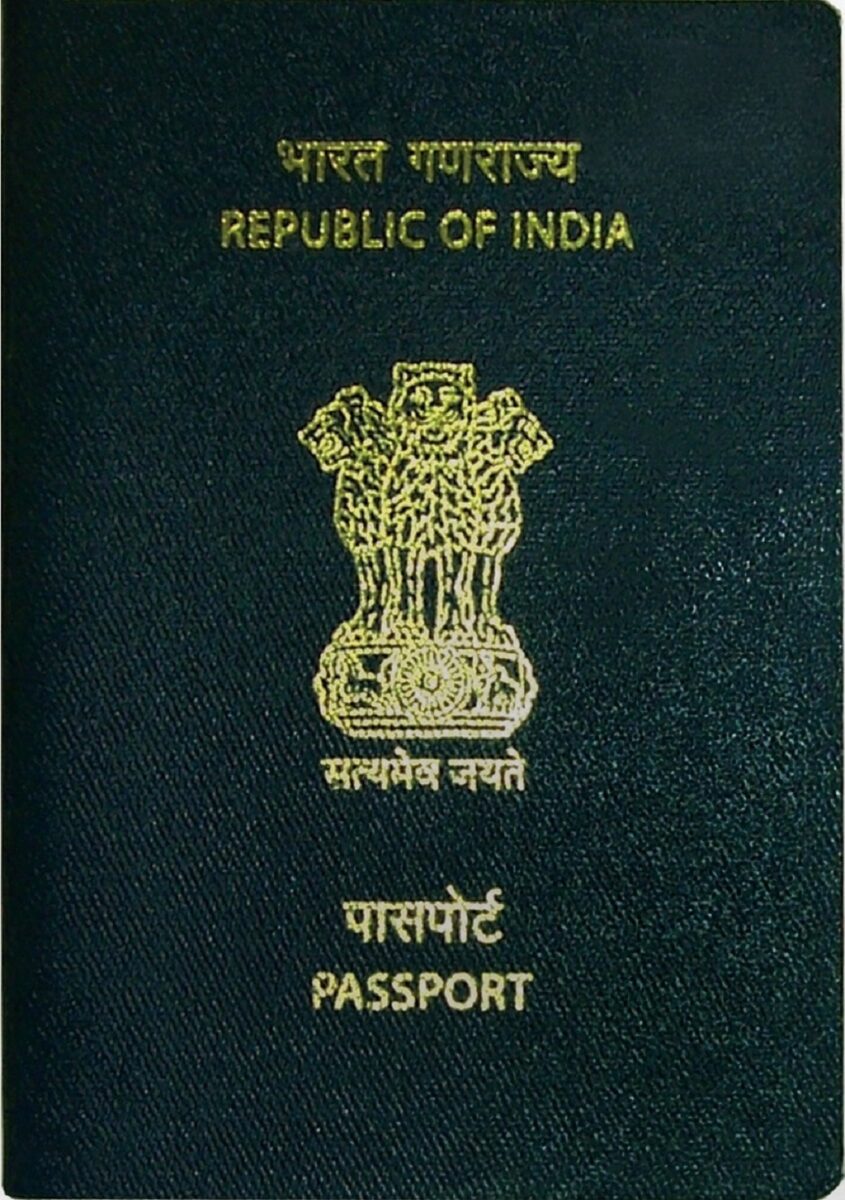
A Rare Downgrade: When Countries Revoke Visa Waiver Status
Iran suspended its visa-waiver program for Indian citizens holding ordinary passports effective November 22, 2025 (per the Indian Ministry of External Affairs advisory dated November 17, 2025). The move was documented in an official advisory from India’s Ministry of External Affairs. Wikipedia and the Passport Index confirmed the status change. For Indian travelers accustomed to visa-free or visa-on-arrival access to most countries, Iran’s revocation was rare and notable.
The suspension applies specifically to ordinary passports—the standard travel document for civilian citizens. Diplomats and officials holding diplomatic passports retain visa-free access in most cases. The distinction matters: it narrows the impact to civilian tourism, business travel, and academic exchange while preserving government-to-government mobility. Still, the message was unmistakable. Iran was raising barriers to Indian entry.
The timing suggests political motivation. India’s bilateral relationship with Iran cooled as India deepened security partnerships with the United States and Israel. Iran’s nuclear program faced international sanctions in which India participated, albeit reluctantly. Trade flows between India and Iran diminished as U.S. sanctions limited India’s banking access to Iran. The visa suspension can be read as a modest retaliatory gesture—Iran could not sanction India militarily or economically beyond existing constraints, but it could make Indian travel to Iran more cumbersome.
The baseline for India’s visa access is expansive. As of 2026, Indian nationals enjoy visa-free access to 27 countries. An additional 47 countries offer visa-on-arrival. Another 66 countries offer e-visa facilities. In aggregate, Indian passport holders have access—either visa-free or via streamlined electronic processing—to roughly 140 countries out of 195 recognized sovereignties. The global accessibility is high, a function of India’s economic scale and diplomatic reach.
Iran’s revocation reduces the count slightly. For practical purposes, the impact is limited. Indian travelers can apply for an Iranian visa through normal consular channels. Processing is cumbersome but possible. The visa waiver made entry frictionless; the loss makes it merely bureaucratic.
What remains unverified are claims that Bolivia, Cape Verde, and Nicaragua also suspended visa-waiver status for Indian passport holders in 2025-26. These allegations circulated on Instagram and Facebook in August 2026. No official advisory from India’s Ministry of External Affairs confirms suspensions from those three countries. No press releases from Bolivian, Cape Verdean, or Nicaraguan governments announced the change. No entries on the Passport Index reflected such updates. The claims remain plausible—visa policies shift regularly—but lack independent verification. They are unconfirmed reports, not established facts.
The broader trend is worth monitoring. If multiple countries begin suspending visa-waiver privileges for Indians, it could signal a coordinated diplomatic response or a unilateral wave of restrictions. The pattern would matter more than any single country’s action. So far, Iran is the only confirmed case. The others remain allegations. Environmental and health challenges affecting air quality, such as pollution impacts on Indian communities, and conservation efforts including India’s afforestation initiatives, represent separate but significant dimensions of India’s diplomatic and development priorities.