 Rahul Somvanshi
Estimated reading time: 1 minute
On August 9, 2026, a vehicle fire on the A31 in the New Forest transformed within hours into a landscape emergency, exposing a troubling reality: the UK’s most protected natural spaces are becoming tinderboxes in the climate acceleration era.
The blaze triggered 160 emergency calls, mobilized 10 fire crews across multiple counties, and sent smoke plumes visible across southern England. This was not isolated misfortune. It was systemic vulnerability exposed.
The Incident
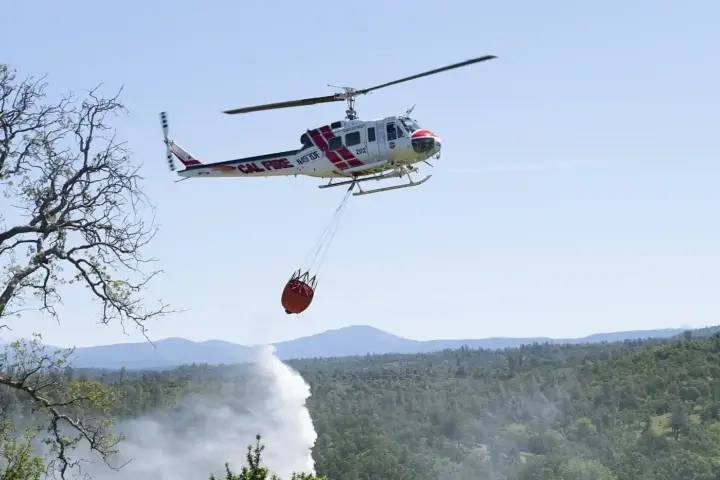
A vehicle fire on the A31 eastbound spread rapidly into surrounding heathland. Hampshire and Isle of Wight Fire and Rescue deployed 10 crews, including units from Northamptonshire, to combat the blaze.
The smoke plume became the fire’s most far-reaching impact. Visible from Leicester—roughly 50 miles away—the plume’s reach testifies to column height and burn intensity.
The Drought Context
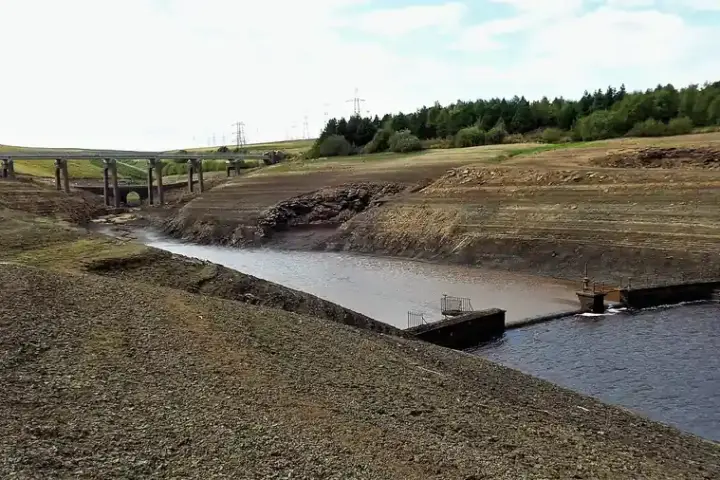
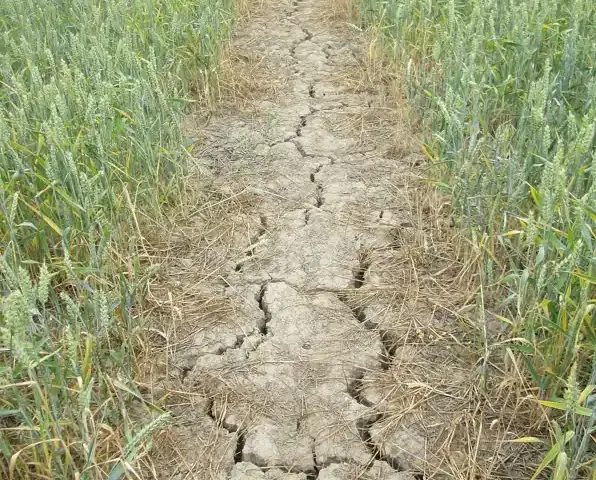
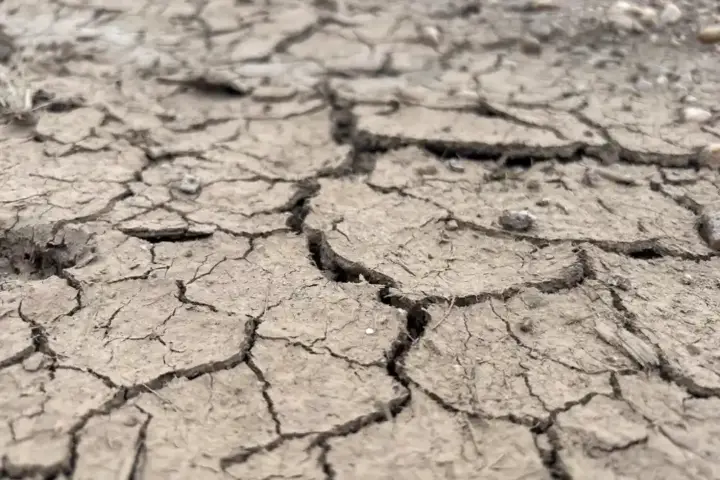
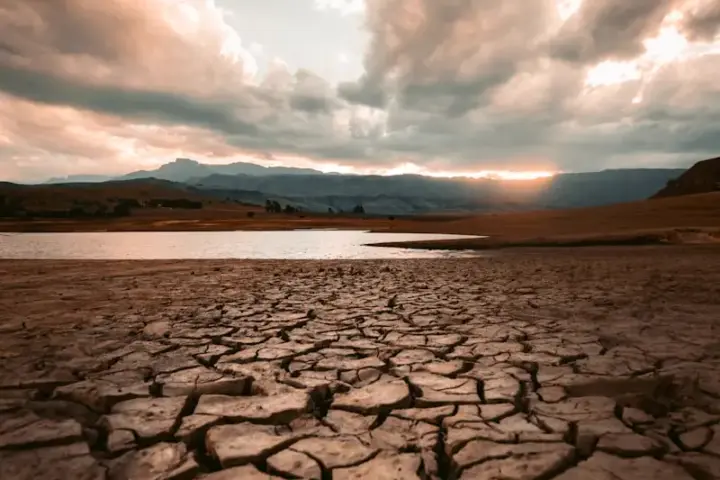
The New Forest fire occurred within Britain’s severe heatwave and widespread drought. The Environment Agency has declared drought conditions across multiple regions, with half of England under formal drought status as of August 2026.