 Sonali Tiwary
On August 9, 2026, thunderstorms across northern Illinois grounded planes at Chicago’s two major airports, making O’Hare the most delayed airport on the planet that day. United Airlines passengers were hit particularly hard, with the carrier canceling roughly five times more flights than American Airlines.
Severe Weather Forces Ground Stops
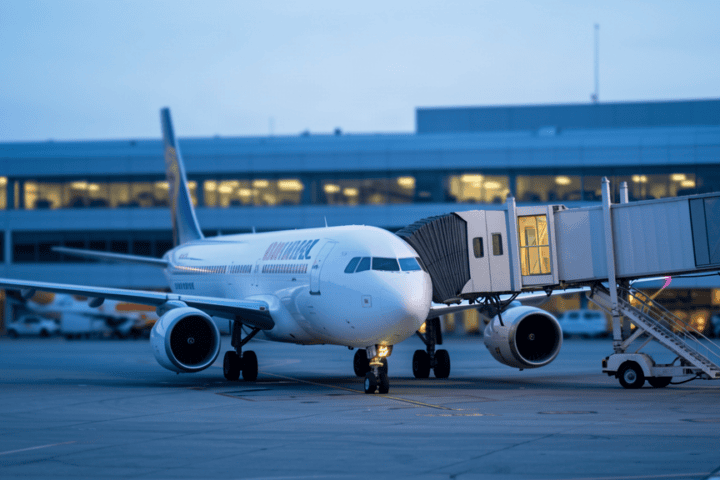
The Federal Aviation Administration issued back-to-back ground stops at both O’Hare and Midway airports as severe weather rolled through. A ground stop means a complete halt—inbound aircraft are held at their departure airports, unable to land. Outbound flights stack up at the gate. For passengers already nervous about weather delays, the impact rippled across flight schedules and hotel bookings nationwide.
O’Hare Led the Globe
On August 9, O’Hare experienced more arrival delays than any other airport in the world, according to reporting by TechTimes. The severity of the disruption reflected not just the weather, but also the airport’s massive hub status. Chicago’s airports are major connection points, meaning a few hours of ground stops cascades into delays touching dozens of destinations.
United Hit Harder Than American
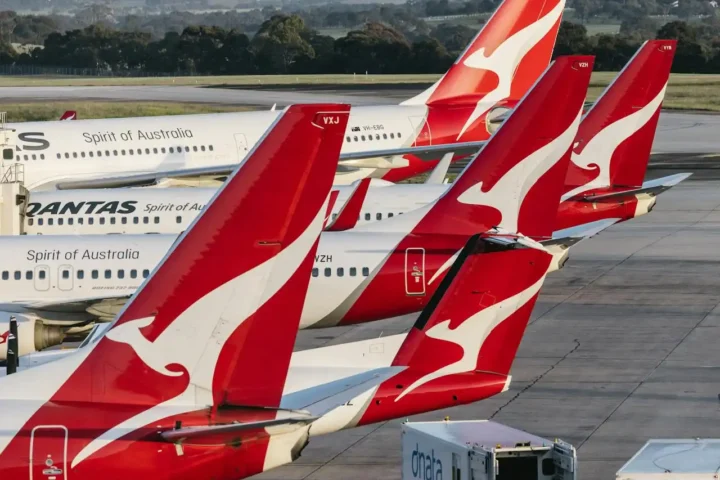
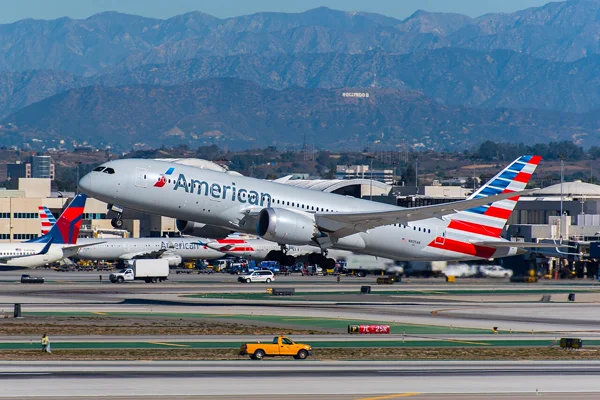
United Airlines, which operates one of its largest hubs at O’Hare, canceled roughly five times as many flights as American Airlines. That gap reflects the operational footprint each carrier maintains in Chicago—United’s concentration of flights at O’Hare meant more aircraft and schedules were vulnerable to the disruption.
Recovery and Passenger Rights
By August 11 at 11:35 a.m. UTC, the FAA reported arrival delays at O’Hare of 15 minutes or less, signaling the return to near-normal operations. Passengers can track live conditions on the Fly Chicago board at dx.flychicago.com or through individual carrier apps.
However, weather delays come with a caveat: U.S. carriers are not required to offer automatic cash compensation for delays caused by severe weather. Airlines may offer rebooking, vouchers, or other accommodations at their discretion, but federal rules treat weather as an act outside the airline’s control.
Conclusion
Severe weather forced FAA ground stops at O’Hare and Midway on August 9, 2026; O’Hare experienced the most delays globally that day. United canceled approximately five times more flights than American. By August 11 at 11:35 a.m. UTC, the FAA reported arrival delays of 15 minutes or less, indicating recovery. Travelers can track status via the Fly Chicago board and carrier apps.