 Sonali Tiwary
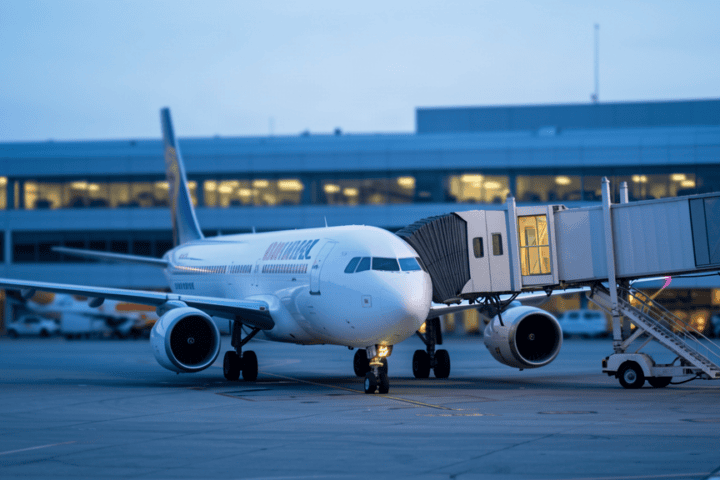
The Federal Aviation Administration issued ground stops for Chicago’s O’Hare and Midway airports on August 11 as severe thunderstorms moved across the region, creating one chapter in a multi-day story of widespread aviation disruption across the nation’s busiest hubs. The situation escalated when Midway’s control tower was briefly evacuated due to storm proximity, adding operational complexity to air traffic controllers managing the massive volume of flights through America’s busiest airspace.
The disruptions extended beyond Chicago. On August 10, ground stops affected New York’s three major airports—John F. Kennedy, LaGuardia, and Newark—as a separate but equally severe thunderstorm system moved through the Northeast. LaGuardia alone experienced more than 200 flight delays and approximately 100 cancellations on that single day, stranding thousands of passengers and forcing airlines to scramble to rebook travelers on alternative flights.
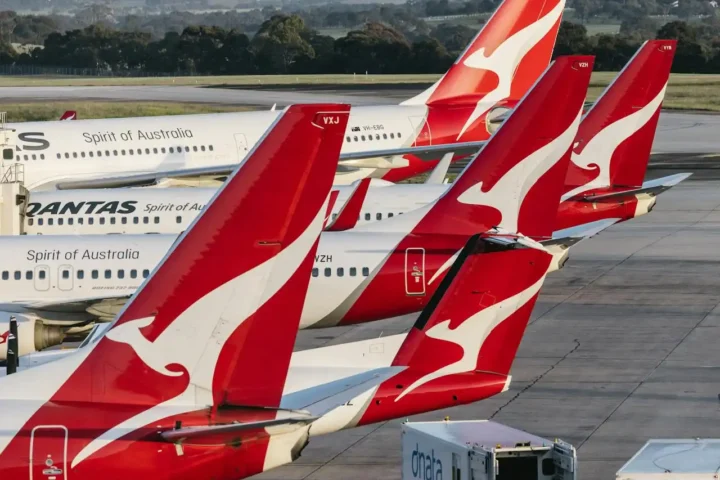
Aggregating the full scope of disruption across multiple days and airports, NJ.com documented 2,036 flights delayed and 263 canceled amid the widespread U.S. weather disruptions. O’Hare emerged as the single most-delayed U.S. airport overall, reflecting both the severity of Chicago area weather and the airport’s outsized role in the nation’s aviation network. United Airlines recorded the highest number of delays among all carriers, reflecting the airline’s extensive hub operations in both Chicago and Newark serving thousands of passengers daily.
The pattern of disruptions extended even further back. Five ground stops occurred on August 9 affecting O’Hare, Midway, Denver International, Harry Reid (Las Vegas), and Tampa International airports, suggesting a coast-to-coast weather system that produced severe conditions across multiple regions over a several-day period. The cascading nature of the disruptions illustrated how weather affecting relatively localized airport areas rapidly propagates disruption throughout the entire national airspace system.
Ground stops represent one of the most disruptive aviation tools available to the FAA, imposed when conditions become too dangerous for safe aircraft operations. While stops protect safety, they simultaneously create cascading delays throughout the entire national airspace system as aircraft queue on the ground, passengers miss connections, and crews reach duty-time limitations that force cancellations. The August 9-11 weather pattern illustrated the interconnected nature of modern aviation and how localized weather events create ripple effects affecting millions of passengers nationwide and airline operations for days afterward.