 Sonali Tiwary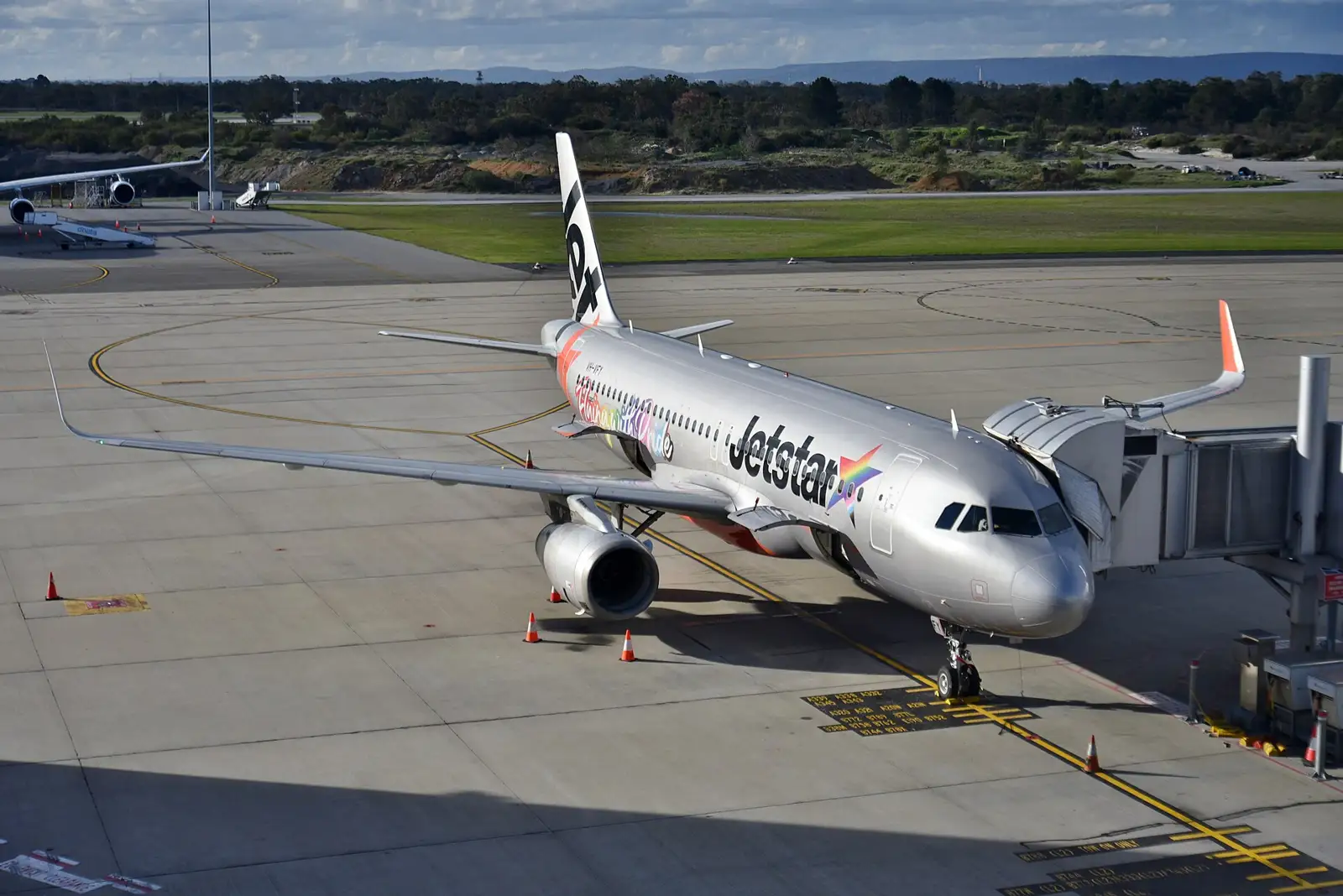
Two aircraft came within dangerous proximity at Sydney Airport on Sunday, August 9, 2026, triggering a formal safety investigation. A Jetstar Airbus A320 heading to the Gold Coast and a Qatar Airways Boeing 777 under tow crossed paths on the tarmac, forcing the Jetstar pilots to apply sudden braking to avoid impact.
The incident happened as the Jetstar aircraft was taxiing toward the runway when crew spotted the massive Qatar Airways jet being towed across their taxiway. Both planes stopped abruptly. A cabin crew member aboard the Jetstar was injured during the hard braking and received paramedic treatment. The tow connection between Qatar’s aircraft and its tug suffered damage, though no passengers were hurt.
The Australian Transport Safety Bureau moved quickly to investigate, collecting data from both aircraft and air traffic control systems. Investigators are interviewing pilots, tug operators, and air traffic controllers. Early information suggests the aircraft tug pulling Qatar’s plane may not have followed air traffic control instructions, though this remains under examination.
What makes this incident particularly concerning is timing. This was the second near-miss at Sydney Airport within two weeks. On July 27, air traffic control cleared a Qantas jet to cross a runway while another aircraft was still landing. Controllers caught the mistake and stopped the 737 before entering the runway. That incident revealed a breakdown in coordination between controllers.
Staff shortages in air traffic control operations appear to be contributing to these lapses. Saturday’s disruptions included over 150 flight delays as Sydney Airport struggled with inadequate personnel. A ground controller and tug operator have been stood down from duty and will undergo mandatory drug and alcohol testing as part of standard protocol.
The events highlight vulnerabilities in airport operations even at Australia’s busiest aviation hub. These aren’t minor incidents—planes narrowly escaped collision. Tug operations involve precisely coordinated movements where small mistakes become serious collisions. Aircraft on the ground move slowly and deliberately, yet they’re massive metal structures. Broken communication or a controller’s momentary lapse can create dangerous situations within seconds.
Questions now focus on whether staffing levels are adequate and if communication protocols between ground control and tug operators need strengthening. The investigation will examine everything—radio transmissions, visual communications, procedures followed or missed. Whatever the investigation finds, these incidents underscore that airport safety depends on people following precise procedures. When procedures break down, even skilled pilots and operators find themselves in tight spots.
—