 Sonali Tiwary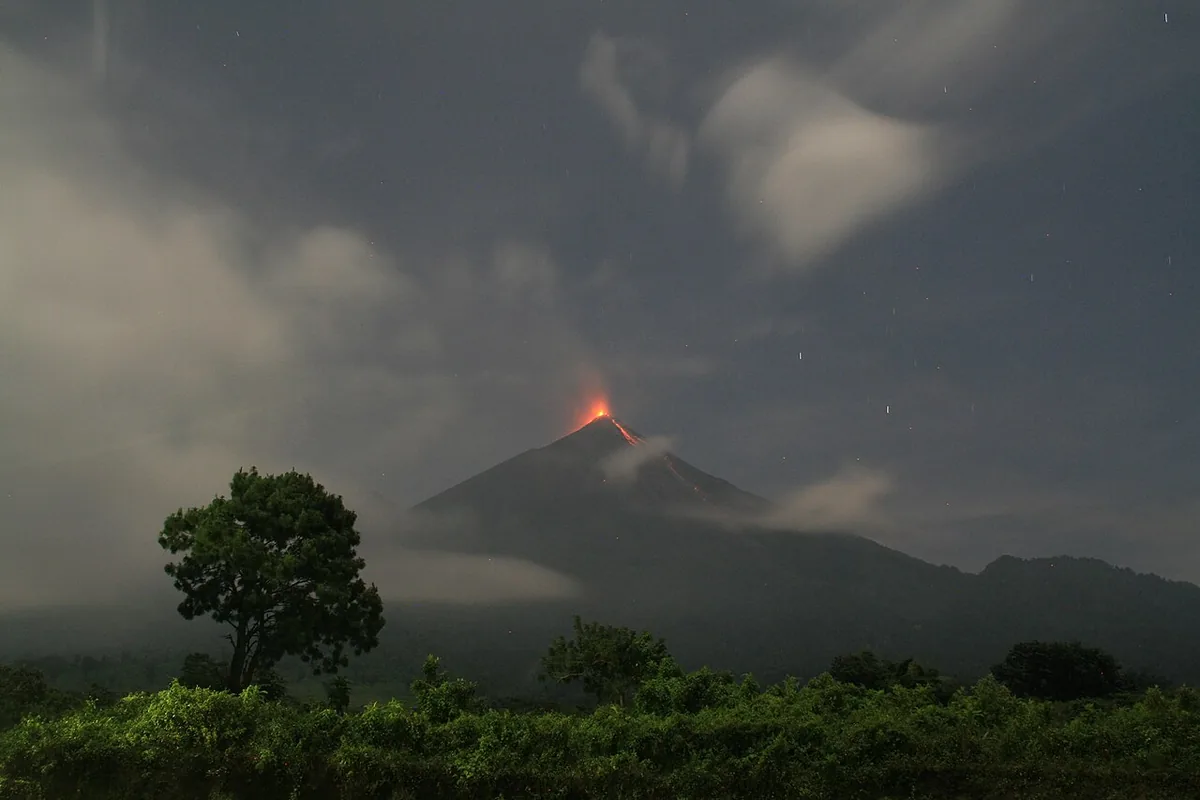
Estimated reading time: 2 minutes
One of the world’s most active volcanoes forced about 1,700 residents to evacuate as Fuego entered a critical explosive phase in early August 2026. Guatemala’s Volcán de Fuego spewed ash columns miles into the sky, creating air quality hazards across the region and disrupting life for communities living on its slopes.
The eruption began on Monday, August 3, 2026. Edwin Rojas, director of Guatemala’s National Institute of Seismology, Volcanology, Meteorology and Hydrology, told a press conference that “activity at the Fuego volcano continues in a critical explosive phase.” Ash rose more than 5,000 metres above sea level and drifted up to 120 kilometres. This assessment raised concern that activity could intensify rather than decline over coming days. The evaluation prompted authorities to implement evacuation orders affecting multiple communities in Chimaltenango and Sacatepéquez provinces.
The evacuation itself created challenges. At least 1,699 people ended up in temporary shelters, grabbing belongings hastily before moving to safety. Guatemala’s disaster agency Conred said more than 29,000 people were affected by ashfall across 18 communities, and three regions declared red alerts, the highest level. Many residents had no idea when they could return home or reclaim their livelihoods. One resident, Manuel Cobox, 46, told reporters: “We heard the rumblings and then a strong eruption. We have faith in God that the volcano’s activity will calm down soon.” His family of five—including his wife and three daughters—lost their home without knowing when they could return.
Health officials advised residents to cover water containers and wear face masks to protect from ash. The ash alone poses health risks through inhalation and water contamination.
This eruption fits a troubling pattern. In 2018, Fuego’s eruption killed 194 people and left 234 missing and presumed dead. It buried villages under hot ash. In 2023, a smaller eruption displaced about 1,200 people. Last year, over 500 people had to evacuate and schools closed for weeks.
The repeated evacuations create psychological toll. Families lose their homes repeatedly. Businesses struggle to survive when evacuation disrupts commerce. Children’s education gets interrupted. The uncertainty about when life can resume makes planning impossible.
Guatemala ranks as one of the most volcanically active countries on Earth. About 37 volcanoes exist in the nation, though many are dormant. Fuego’s unique characteristic is its constant activity and repeated major eruptions.
Climate experts note that volcanic activity in regions already facing climate impacts creates compounded vulnerability. Communities already stressed by climate-related challenges like drought and changing rainfall patterns face additional hazards from eruptions.
For Guatemala’s government, repeated evacuations strain resources. Emergency services, shelter setup, food distribution, and medical support require significant funding. Each eruption creates an economic burden on a developing nation already facing infrastructure challenges.
Residents living near Fuego face an impossible choice. Leave everything behind repeatedly or stay and accept volcano risk. For many, the land represents generations of family history and their only livelihood. Yet staying means risking death when the volcano becomes more active.