 Sonali Tiwary
Estimated reading time: 6 minutes
Europe entered August 2026 bracing for yet another intense heatwave—the fourth severe heat event of the season. An atmospheric phenomenon called an Omega Block, a stubborn high-pressure system, is forecast to lock over Western and Central Europe, trapping blistering air masses over the continent through early August. Temperatures are predicted to reach 40-45°C across affected regions, with the Mediterranean and Iberian Peninsula facing the most extreme conditions.
This isn’t a single brief hot spell. The atmospheric pattern is forecast to persist, keeping European temperatures well above historical norms for an extended period. For perspective, temperatures in this range at night remain dangerous because bodies can’t cool adequately during sleep—precisely when heat stress peaks physiologically.
Historical Context of 2026’s Heat
Starting in late May 2026, Europe has been pummeled by multiple heatwaves. The first in May broke springtime records, with temperatures 10-15°C above normal in affected areas. This early-season intensity set the tone for what would become an exceptionally hot year. June brought additional heat waves. July delivered the third significant surge. August’s fourth wave represents an unprecedented run for the continent.
Climate scientists attribute the intensity and frequency largely to human-induced warming. Europe experiences heating at twice the global average rate since the 1980s. When background temperatures increase, heatwave peaks reach higher extremes. A “typical” August heat event from 20 years ago now exceeds normal summer conditions annually.
Who’s Affected and Health Impacts
Spain, Portugal, France, Italy, Austria, Hungary, Slovakia, Croatia, and neighboring countries face peak heat August 5-10. Construction workers, farmers, and outdoor laborers face the highest risk of heat-related illness. Countries have issued warnings recommending limited outdoor work during peak heat hours (typically 2-6 PM when surface temperatures are most extreme).
Death toll from 2026’s earlier heatwaves remains in double digits, though monitoring remains incomplete. The 2024 European heatwaves killed over 62,700 people according to research published in Nature Medicine during 2025. Current 2026 patterns suggest similar or potentially higher mortality unless intervention strategies work better than in previous years.
Vulnerable populations include the elderly (heat stress strains heart function), people on certain medications (diuretics, beta-blockers worsen heat tolerance), those with chronic conditions, and outdoor workers without shelter access. Public health agencies have mobilized additional emergency services, but mortality prevention depends partly on individual behavior—staying hydrated, seeking air-conditioned refuge, monitoring vulnerable neighbors.
Wildfire Risk and Drought Conditions
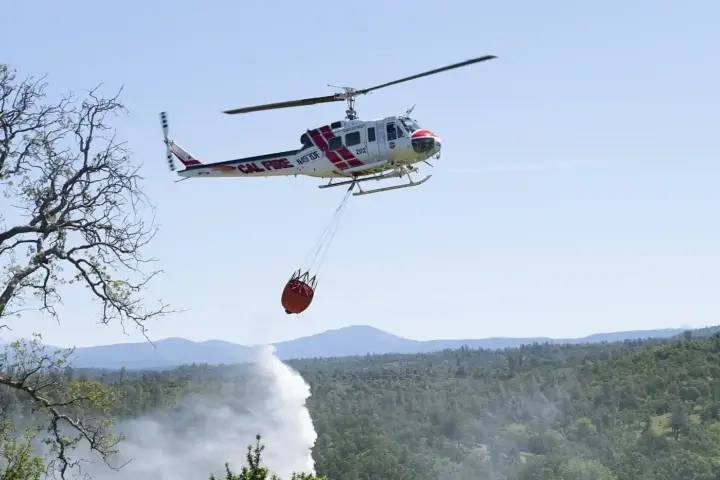
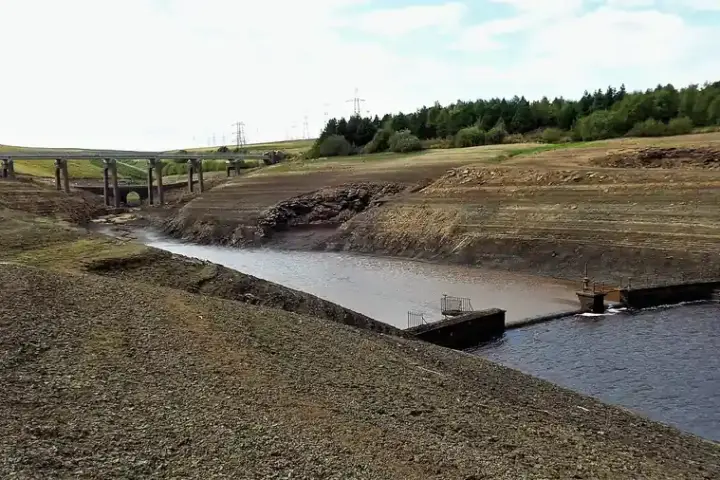
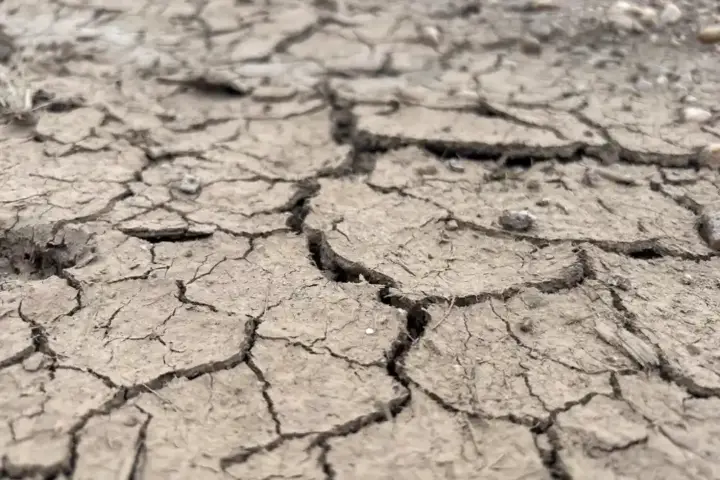
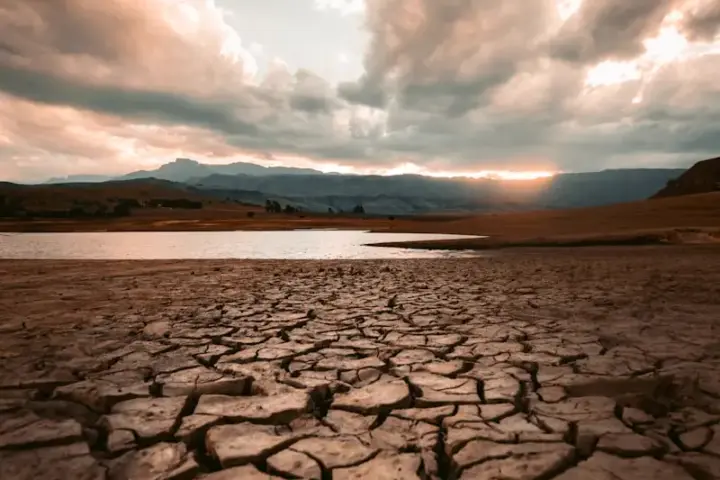
Prolonged heat combined with low rainfall (common in summer heat-waves) creates explosive wildfire risk. France, Spain, and Greece have already experienced significant wildfires during July 2026. August’s sustained heat could trigger additional fire activity. Some regions are approaching critical drought conditions—soil moisture depletion that affects autumn crops and water availability for winter.
This cascading risk chain—heat → low rainfall → wildfire → air quality degradation → additional heat from heat island effects—creates feedback loops amplifying heat impacts. A city experiencing wildfires nearby sees additional temperature increases from fire-generated heat, compounding outdoor conditions.
Mediterranean Tourism Season Impact
Timing is unfortunate. August is peak European vacation season. Tens of millions head to Mediterranean beaches, expecting pleasant warmth. Instead, they encounter dangerously hot conditions. Heat exhaustion and heat stroke cases climb in tourist hospitals. Water quality deteriorates (algal blooms accelerate in warm water). Tourist activities shift toward early morning or evening as daylight midday heat becomes unbearable.
This economic dimension—tourism revenue impacts from heat discomfort or actual health incidents—isn’t typically calculated in heatwave cost analyses. But it’s real. Hotels struggle managing guests overwhelmed by heat. Attractions (outdoor museums, archaeological sites, theme parks) see capacity reductions due to safety concerns. Airlines report reduced cargo capacity due to heat runway limitations (hot air reduces lift).
Sea Temperature Anomalies
The Mediterranean has recorded record sea surface temperatures, well above historical 30-year averages. Warm ocean water fuels atmospheric moisture, supporting cloud formation that could trigger localized storms (though paradoxically, the heat dome often suppresses traditional storm patterns). The warm sea also affects marine ecosystems—coral stress, fish migration patterns, and commercial fishing economics all suffer.
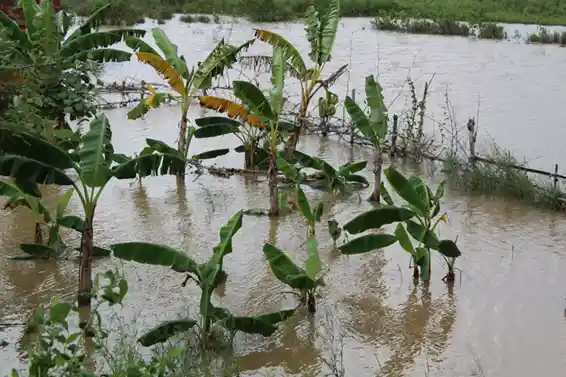
Warm water-induced storms, when they do occur, come with amplified rainfall and localized flooding risk—an extreme weather paradox where the same heat driver creates either severe drought or extreme moisture, sometimes within the same region on different days.
Adaptation and Resilience Strategies
Cities across Europe are implementing heat mitigation measures. Increased urban greening (parks, rooftop gardens), cool-surface paints on buildings to reflect rather than absorb heat, expanded air-conditioned public spaces (libraries, shopping centers), and public cooling centers in community facilities. These are band-aid solutions—they reduce but don’t eliminate heat death risk.
Long-term adaptation requires building design changes (better insulation, natural ventilation strategies), grid-level cooling infrastructure, workforce scheduling changes (shift outdoor work to early morning/late evening), and agricultural adaptations (heat-resistant crop varieties). Few countries have fully implemented these, making 2026’s heatwaves stress-tests for underprepared infrastructure.
Public communication about heat risks has improved compared to earlier heatwaves. Media coverage emphasizes danger more effectively now. But messaging fatigue matters—if every summer brings records-breaking heat followed by warnings that “this is the new normal,” psychological adaptation kicks in and people become complacent about actual risk.
Climate Change Reality Check
August 2026’s heatwave isn’t an anomaly—it’s the emerging baseline. Climate projections suggest European summers warming by 3-5°C by 2100 under current emissions paths. This means today’s dangerous heat events become mild conditions in future decades. Adaptation must be proportionally aggressive, not just minor adjustments to past strategies.
The UN has called for accelerated emissions reduction, but political action remains halting. Europe has committed to net-zero emissions by 2050, but interim targets aren’t tracking adequately. August 2026’s heatwave is simultaneously a symptom of insufficient climate action and a harbinger of worse if present trajectories continue.
For immediate August 2026, the forecast remains dire. The Omega Block isn’t forecast to shift significantly until mid-August. Relief comes only when the pattern breaks and Atlantic systems push cooler air toward Europe—typically requiring an upper-level low-pressure system to penetrate the blocked pattern. Current models suggest this might occur August 12-15, but forecasts at this timescale carry significant uncertainty.
Europe’s summer of 2026 has become a endurance test rather than a season of enjoyment for millions. Those heading to vacation destinations should prepare for conditions hotter than expected. Those staying put should prioritize hydration, heat-safe work schedules, and social connections (isolation amplifies heat vulnerability). The heat dome will eventually break, but August 2026 will likely be remembered as one of the most oppressive summers in European recorded history.