Rahul Somvanshi
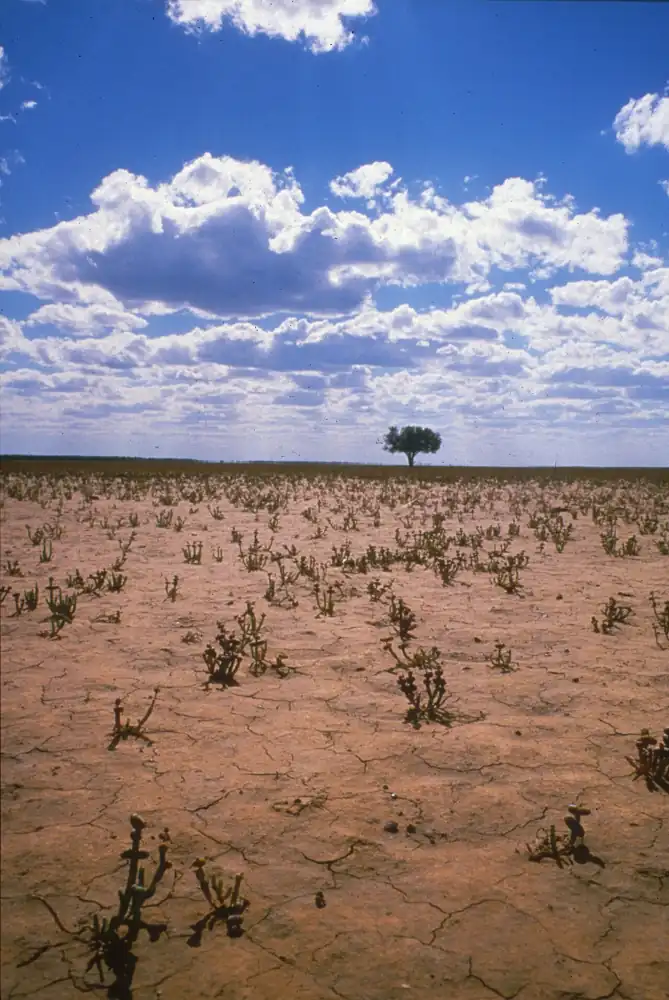
Australia’s Indigenous Desert Alliance has been named a finalist for the 2026 Earthshot Prize, recognising an Indigenous-led network that supports 70 ranger teams across the country’s vast desert regions.
The Earthshot Prize lists the alliance among its 15 finalists for 2026. According to the prize organisation, the network helps Indigenous communities care for about 270 million hectares of desert Country — an area it describes as the world’s largest Indigenous-led conservation corridor.
The alliance’s work is centred on the Right Way Desert Fire programme, which combines cultural knowledge with contemporary fire-management tools. The approach uses carefully planned, cooler burns to reduce the risk of large, damaging late-season fires while supporting healthier landscapes.
Rangers caring for Country
The Indigenous Desert Alliance is not a single field team. It brings together ranger groups working across central and western Australia, with Traditional Owners directing the work on their own Country. Activities can include cultural burning, biodiversity monitoring, weed and feral-animal management, and passing knowledge between generations.
Fire is a central issue in Australia’s arid interior. When fuel builds up, hot and extensive wildfires can damage habitat, release large quantities of carbon and make recovery harder for plants and animals. Cultural burning aims to create a more varied pattern of burned and unburned areas, reducing fuel loads while protecting important places and ecological values.
The Earthshot Prize was founded to identify and scale environmental solutions. Its 2026 finalists were selected across five categories: Protect and Restore Nature, Clean Our Air, Revive Our Oceans, Build a Waste-Free World and Fix Our Climate. The alliance is a finalist in the Protect and Restore Nature category.
How many ranger teams does the Indigenous Desert Alliance support? The Earthshot Prize says the alliance supports 70 Indigenous ranger teams working across about 270 million hectares of Australian desert Country.
Finalist status does not make the alliance an Earthshot winner. But it gives Indigenous-led desert stewardship a major international platform ahead of the awards, while underscoring that conservation outcomes and cultural authority can be inseparable.
For the ranger teams, the recognition is not simply about a prize. It highlights long-running work led by communities to care for Country in ways that are locally governed, culturally grounded and increasingly relevant to the global climate and biodiversity crises.