 Karmactive Staff
Estimated reading time: 2 minutes
New Zealand experienced significant weather pattern shifts during 2026, with altered rainfall distribution and temperature anomalies affecting agriculture, hydroelectric generation, and water management across both North and South Islands.
A persistent high-pressure system positioned over the Tasman Sea influenced weather patterns throughout the year, producing drier-than-normal conditions in western regions while eastern areas received above-normal precipitation. This dipole pattern reflected larger-scale atmospheric oscillations affecting the southwestern Pacific region.
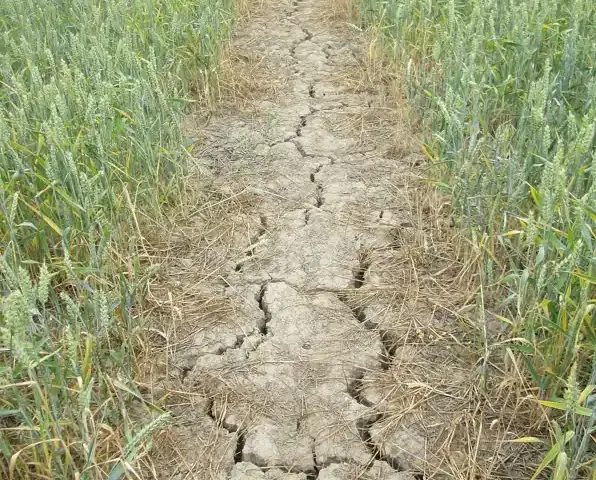
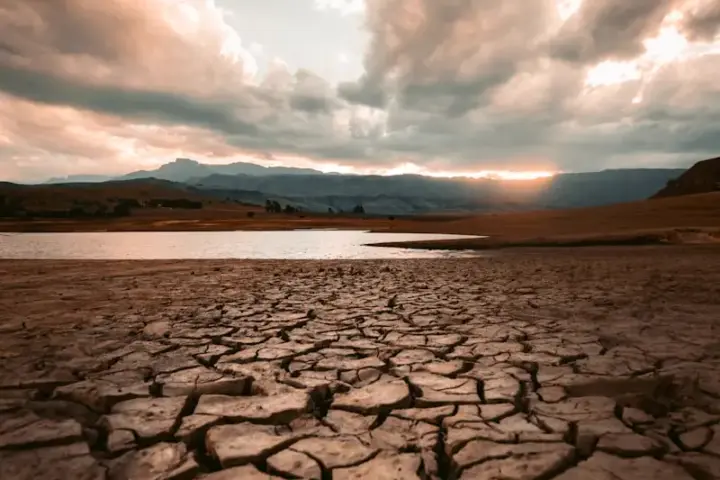
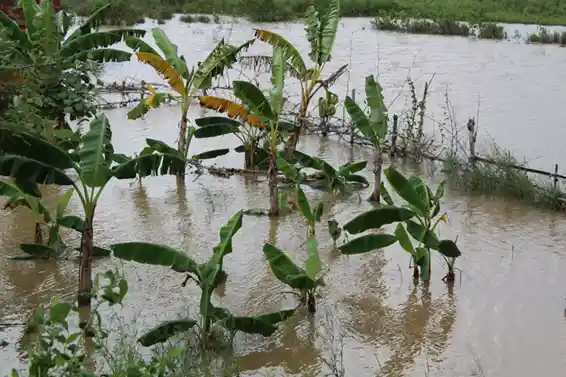
Rainfall departure from normal averaged minus 15-20 percent in Westland, Fiordland, and western regions that typically receive abundant precipitation. Conversely, eastern Canterbury and Otago regions received 20-30 percent above normal rainfall. This reversal of typical west-to-east precipitation gradients stressed water availability in drought-prone agricultural regions while increasing flood risks in eastern areas.
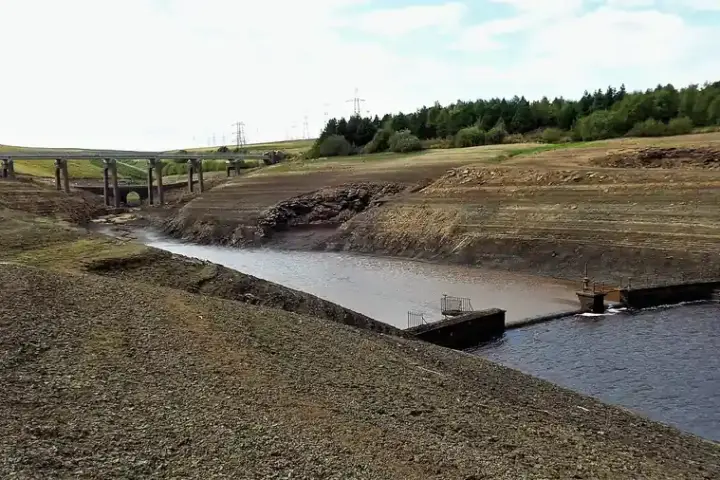
Hydroelectric generation declined as water levels in western catchments fell below historical norms. New Zealand’s hydroelectric fleet generates approximately 60 percent of annual electricity from western South Island water resources. Reduced inflows required increased thermal generation and power rationing discussions, raising electricity costs during winter peak demand periods.
Agricultural impacts included pasture growth limitations in western regions typically supporting dairy and sheep farming. Farmers implemented supplementary feed purchasing and herd management adjustments. Conversely, eastern regions benefited from ample water availability supporting irrigation expansion and increased pasture productivity.
Temperature anomalies added complexity to the precipitation pattern shifts. Mean annual temperature across New Zealand averaged 0.8 degrees Celsius above the 1981-2010 normal baseline. Warming accelerated spring phenological events—flowering and leaf emergence occurred 1-2 weeks earlier than historical averages. Agricultural planting calendars required adjustment to accommodate earlier growing seasons.
Sea surface temperature anomalies in surrounding waters reached +1.2 degrees Celsius above normal in some regions, influencing both weather patterns and marine ecosystem productivity. Fish distribution shifts affected commercial fishing operations and recreational angling.
Scientists attributed 2026 weather patterns to interaction between natural climate variability and long-term anthropogenic warming. The persistent high-pressure system’s positioning reflected large-scale ocean-atmosphere coupling mechanisms. However, the superimposition on gradually warming baseline temperatures intensified observed impacts.
New Zealand’s experience illustrates how climate variability operates within a warming context. While individual years show weather pattern departures from seasonal norms—sometimes producing conditions opposite to warming trends—the underlying baseline continues warming. Managing water resources, agriculture, and energy systems requires accounting for both short-term variability and long-term climate shifts.
—