 Karmactive Staff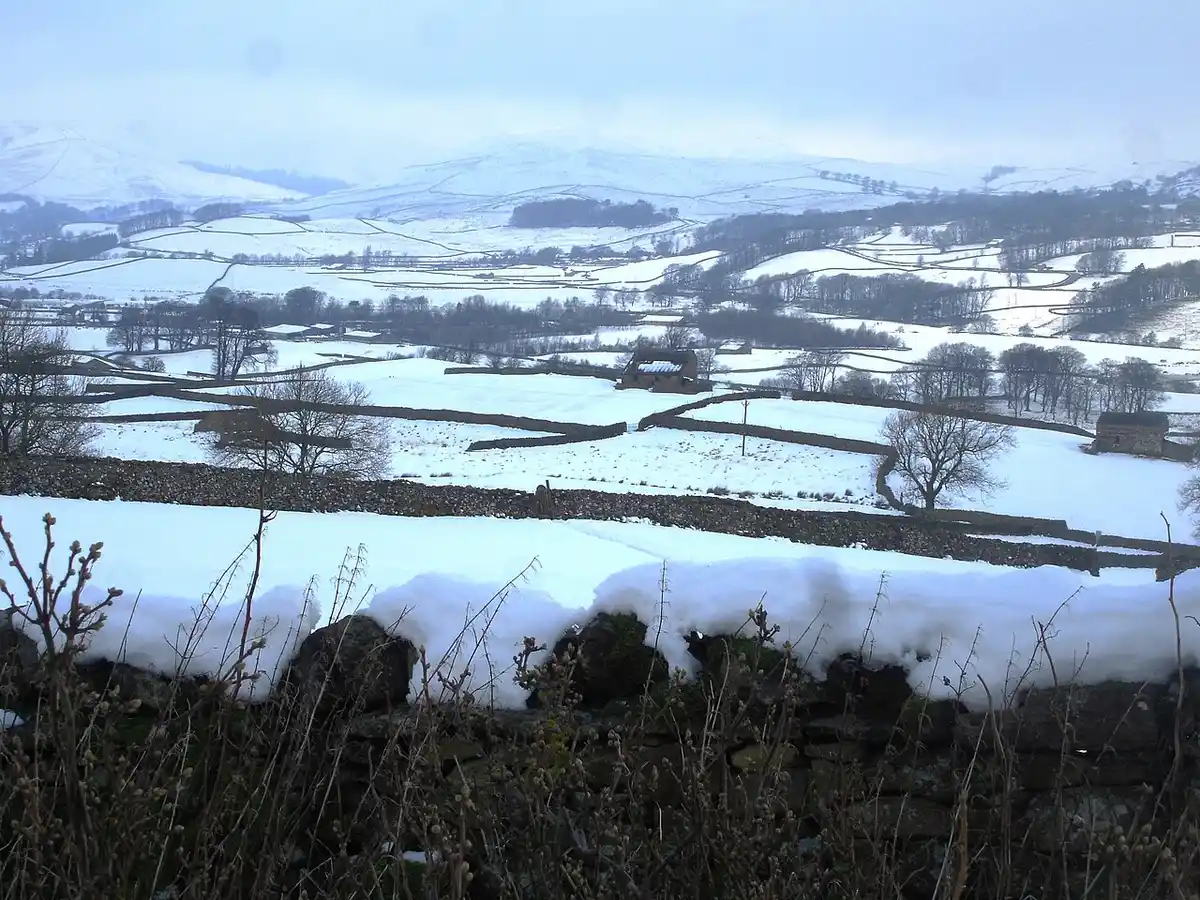
Estimated reading time: 2 minutes
Unexpected snow fell across parts of northern Europe and high-altitude regions during summer 2026, confounding seasonal weather patterns and raising questions about climate variability. The anomalous snowfall occurred in areas where summer snow is exceedingly rare.
Meteorological explanation centers on an unusual polar vortex configuration that pushed Arctic air masses southward into mid-latitudes during summer months when circulation patterns typically confine polar air northward. High-altitude jet streams, the fast-moving air currents guiding weather systems, displayed unusual meandering that allowed cold air pockets to penetrate far south of normal positions.
The snow affected Scotland, Scandinavia, and Alpine regions including Switzerland and Austria. High mountain passes received several centimeters of snow despite daytime temperatures above freezing at lower elevations. The combination created surreal scenes of summer snowfall alongside warm temperatures in lowland areas.
Alpine ski resorts paradoxically benefited from the unexpected fresh snow, extending late-season skiing opportunities into June. Tourism officials reported increased bookings as skiers capitalized on rare summer snow conditions. However, high-altitude hikers and mountaineers faced unexpected hazards from unseasonal snow coverage that obscured trail markers and increased avalanche risks.
Agricultural impacts remained modest given the snow’s limited duration and geographic scope. Farmers in affected regions reported no significant crop damage, as the snow quickly melted in warming air masses that followed the Arctic intrusion.
Scientists emphasized that anomalous weather events don’t contradict climate change patterns. Long-term warming can paradoxically produce short-term extreme weather through various mechanisms. Rapid atmospheric circulation changes, reduced Arctic sea ice insulation effects, and disrupted jet stream patterns occasionally combine to produce unexpected seasonal conditions.
Climate models predict that dramatic Arctic warming may increase frequency of mid-latitude weather disruptions, despite global warming trends. The polar vortex, weakened by Arctic changes, becomes increasingly unstable and prone to splitting into fragments that dive southward. These “polar vortex excursions” produce extreme weather across mid-latitudes—intense cold in summer, intense warmth in winter, and unusual precipitation patterns.
The summer 2026 snow event served as a reminder that climate systems contain complexity and variability alongside long-term warming trends. Understanding the interplay between global climate patterns and regional weather requires sophisticated modeling and continued scientific investigation.
—