 Karmactive Staff
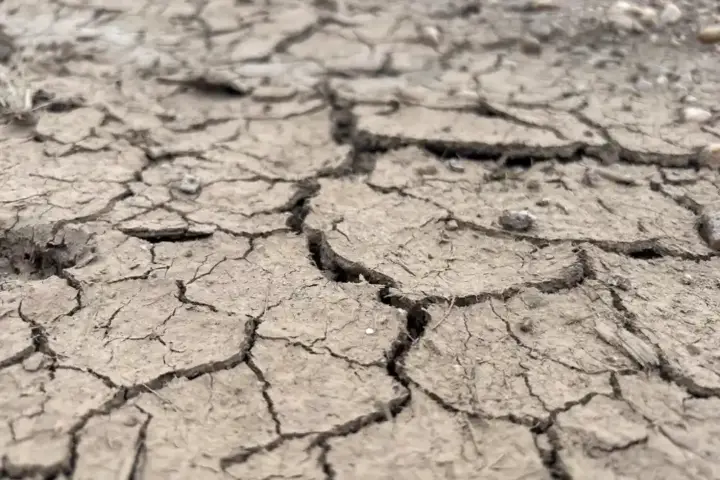
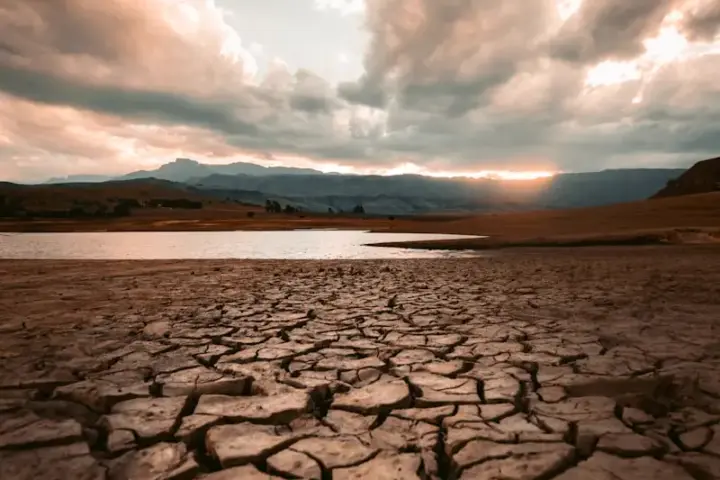
A severe heat wave swept across Western Europe in June 2026, pushing temperatures to dangerous extremes and triggering widespread health emergencies. Land surface temperatures exceeded 50°C (122°F) in parts of France and Spain, setting regional and seasonal records, and by early July more than 1,300 excess deaths linked to the heat had been recorded across Europe.
France recorded its hottest day on record on June 24, with temperatures reaching 43.8°C in the town of Pulluau in western France. Spain recorded its hottest June days on record on June 23 and 24, with temperatures well above 40°C in multiple locations. Public health authorities issued unprecedented heat alerts as hospitals in major cities were overwhelmed with heat-related illness cases.
The extreme weather event was sustained by an omega block — a weather pattern in which hot, dry air from North Africa becomes trapped over a region as low-pressure systems on either side prevent it from moving away. Western Europe, the region most affected, experienced its warmest June on record, with an average temperature 3.05°C above the 1991–2020 average, according to the Copernicus Climate Change Service.
Climate scientists confirmed the event aligned with intensifying global warming patterns. The World Meteorological Organization warned that Europe was one of the fastest-warming continents on Earth, and events of this severity would become more frequent as greenhouse gas concentrations continue to rise.
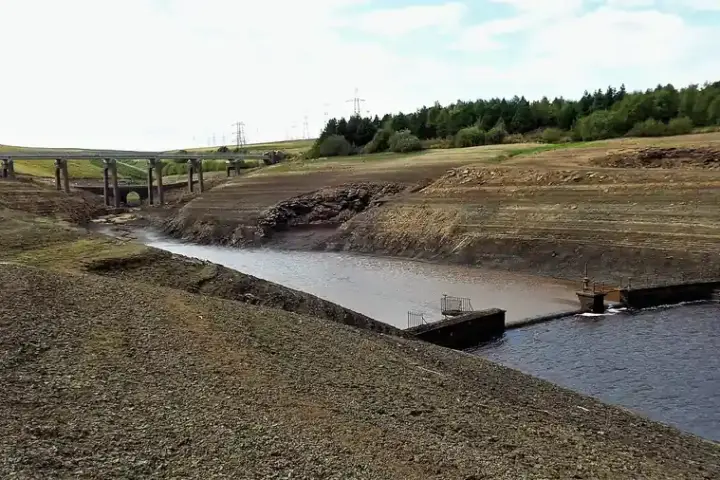
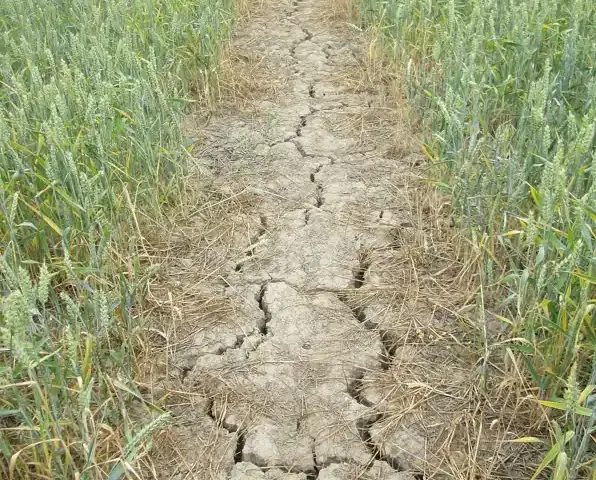
Agricultural sectors faced significant crop damage, with irrigation demands overwhelming water supply systems in parts of France, Spain, and Portugal. Livestock mortality increased in rural regions as animals lacked adequate shade and hydration. Agricultural economists warned of potential food price increases cascading through European supply chains.
Emergency management agencies coordinated multi-national cooling centres and distributed hydration resources to vulnerable populations. The event renewed urgency for climate adaptation planning and strengthened calls across the EU for accelerated emissions reduction commitments under the European Green Deal.