 Karmactive Staff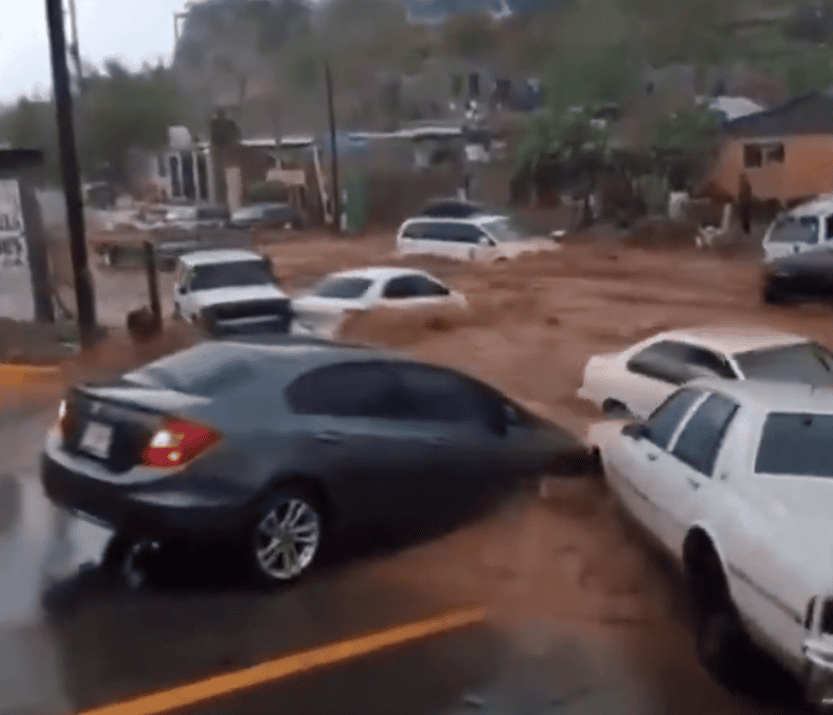
Mexico faces mounting climate vulnerability as record-breaking rainfall events have triggered severe flooding across multiple regions in recent months. The most recent major event saw the Yucatán Peninsula experience historic rainfall levels, with Mérida recording 154 millimeters (6.1 inches) of rain in just 24 hours—setting an all-time May rainfall record for that city.
Such intense rainfall episodes have cascading effects. Hundreds of vehicles stranded in rising floodwaters, widespread road disruptions affecting commerce and travel, and overwhelmed drainage infrastructure characterize these extreme weather events. The May flooding in the Yucatán demonstrates how quickly weather systems can transform urban infrastructure into hazardous environments. Mexico’s national water authority, CONAGUA, tracks and reports on these events as they unfold.
Earlier this month, a catastrophic flash flood struck Cuajimalpa in Mexico City after intense rainfall fell in under an hour. The intensity exceeded what drainage systems were designed to handle, illustrating a common problem: infrastructure built for historical weather patterns now faces climatic conditions that exceed its capacity.
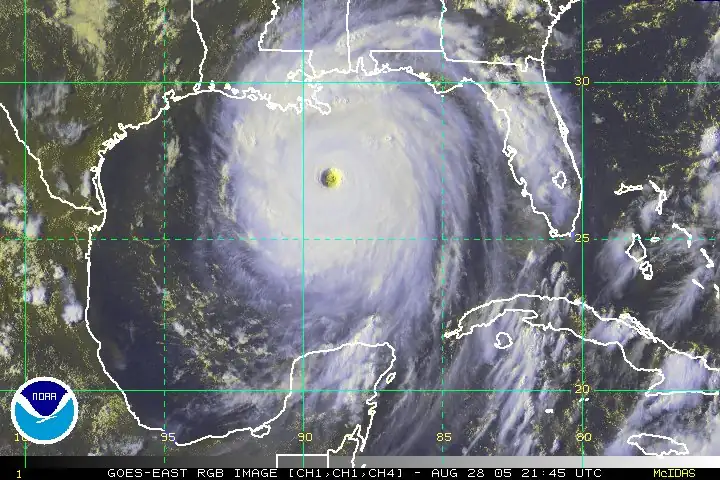
The broader context includes October 2025 floods that killed 84 people and left over 320,000 without power across central Mexico. That disaster destroyed approximately 100,000 homes and damaged nearly 1,000 kilometers of roads across 150 municipalities, primarily in the Sierra Madre Oriental region spanning Hidalgo, Puebla, Querétaro, San Luis Potosí, and Veracruz states. Hurricane impacts on Mexico’s coast add to the country’s seasonal flood risk.
These events reveal a pattern that concerns climate scientists and disaster management officials: extreme rainfall is becoming more frequent and intense. Higher atmospheric temperatures from climate change allow the air to hold more moisture. When weather systems trigger release of that moisture, the precipitation amounts exceed historical norms. The World Meteorological Organization has documented this intensification trend globally.
Mexico’s geography amplifies this vulnerability. Mountainous terrain concentrates rainfall runoff into valleys and urban areas quickly. Rapid urbanization means more impervious surfaces—concrete and asphalt—that prevent water absorption and accelerate flooding. Communities built along historical flood plains face increasing risk as rainfall intensity grows.
Infrastructure resilience has emerged as a critical gap. Roads designed for conventional flooding may not withstand record-setting events. Drainage systems sized for historical rainfall prove inadequate when new records arrive. Building codes written decades ago may not account for contemporary weather extremes.
Officials across affected states have begun examining early warning systems and evacuation procedures, but infrastructure upgrades remain expensive and slow. Communities must balance immediate fiscal pressures against long-term climate adaptation spending. This tension plays out across Mexico as resources remain limited while climate-driven risks accelerate.