 Sunita Somvanshi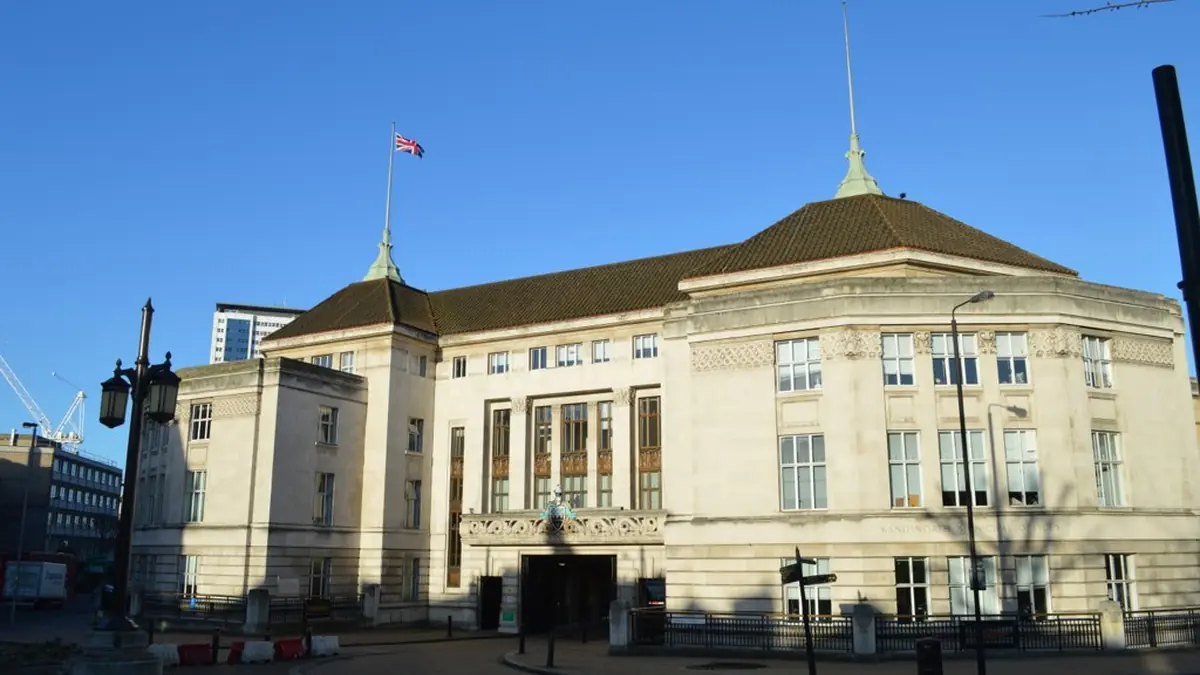
Homeowners in Wandsworth are facing a projected Band D council tax bill of approximately £1,978 for the 2027–28 financial year — up from a current charge of £1,020.35. That represents a rise of around 94%. Conservative leader Kemi Badenoch has instructed lawyers to challenge the government’s local funding formula. Wandsworth’s published forecast shows a cumulative funding gap reaching £137 million in 2028–29, with annual funding reductions rising from £19 million in 2026–27 to £84 million per year by 2029–30. But before residents prepare for an immediate bill shock, there is a legal reality that neither side is making sufficiently clear.
Wandsworth Council’s own published spending review sets the £1,978 Band D figure as an indicative proposal for 2027–28. The final amount depends on the Greater London Authority precept and the formal budget decision, which the council has confirmed will be taken as part of the statutory 2027–28 budget process in March 2027. The figure is a projection under current funding conditions, not a bill that has been set.
Wandsworth residents face severe local service cuts and sharp increases to their monthly bills as the funding dispute continues. If central support grants remain suppressed, households face significantly higher council tax bills in coming years as the council works to close a growing budget gap.
Wandsworth describes an annual reduction reaching approximately £84 million by 2029–30 — equivalent, it says, to a 40% cut — as the driver behind the projected rise. The council says the government’s updated funding formula reallocates central grants away from inner-London boroughs. The government argues that allocations reflect updated deprivation metrics. Both claims carry political weight; only Wandsworth’s own financial figures are drawn from its own published documents. The government’s response to the council’s legal challenge has not been set out publicly.
The Legal Position on Council Tax Increases
Council-tax referendum principles normally require a public vote if an authority wishes to raise bills above the threshold set for that authority and year. However, for 2027–28 and 2028–29, the government has confirmed that no referendum principles will be set for Wandsworth and five other authorities: the City of London, Hammersmith and Fulham, Kensington and Chelsea, Westminster, and Windsor and Maidenhead.
Badenoch’s legal challenge focuses on the central grant withdrawal rather than on seeking permission to raise bills without a referendum. The challenge argues that the funding formula leaves councils technically unable to balance their statutory budgets without extraordinary support from ministers. A Section 114 notice — an official report by the council’s chief finance officer that the authority cannot balance its budget — is a separate process. It does not, by itself, create a general permission to impose any particular council tax level.
Can a UK council raise council tax by more than 5% without a vote?
For most authorities, a local referendum is required above the threshold set for that year. However, the government has confirmed that referendum principles will not be set for Wandsworth for 2027–28 and 2028–29, which means Wandsworth is not bound by the standard referendum threshold in those years. The final council tax level for 2027–28 has not been set and remains subject to the statutory budget process in March 2027.
The next milestone is the High Court’s response to Wandsworth’s pre-action correspondence. A court date has not been confirmed publicly. Check back for updates.