 Sunita Somvanshi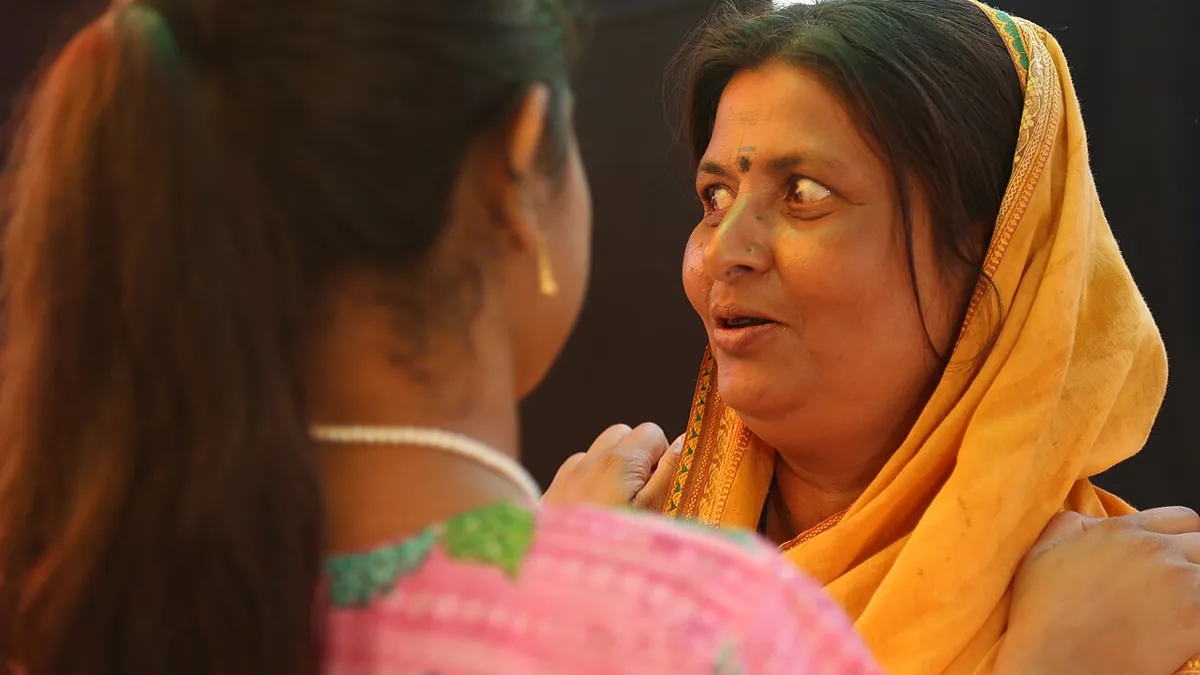
West Bengal’s Annapurna Yojana scheme provides ₹3,000 per month to eligible women in the state. The September payment is going out to beneficiaries, and the state’s application portal remains open for those who have not yet enrolled.
The scheme, administered by the West Bengal government, targets female residents of the state aged between 25 and 60. Monthly payments go directly to the recipient’s bank account. The state government confirms the scheme’s existence and eligibility criteria on its official welfare portal. The state’s Social Security department also operates a dedicated Annapurna portal for application and status checking.
Eligibility carries several conditions. Women who are income-tax payers or in permanent government employment are not eligible. There are also residency requirements. The West Bengal government’s official scheme page is the authoritative reference for the complete and current list of conditions — media reports may not reflect recent eligibility updates accurately.
As Karmactive reported when the August installment restarted on August 17, not every beneficiary receives payment on the same day. The rollout is staggered, and a woman whose account shows no credit on the first day of a payment cycle is not necessarily excluded — payments can arrive across several days.
How to check eligibility and application status
Women who believe they may qualify can check their eligibility and submit an application through the West Bengal government’s online welfare systems. The state’s Annapurna portal, accessible through the Social Security West Bengal website, provides the application form and a status-checking function.
For anyone already enrolled, the status check on the same portal will show whether a payment is pending or has been credited. If a payment expected this cycle has not arrived after several days, the portal and local government offices are the first point of contact.
Who qualifies for the ₹3,000 Annapurna Yojana payment?
West Bengal’s official scheme page describes eligible recipients as female residents aged 25–60, subject to conditions including permanent government employment and income-tax payer exclusions, as well as residency requirements. The official scheme page on wb.gov.in holds the current and complete criteria.
The next installment cycle will follow for those enrolled and eligible. Applications submitted now may be processed for inclusion from the following payment cycle — check the portal for current processing timelines.