 Tejal Somvanshi
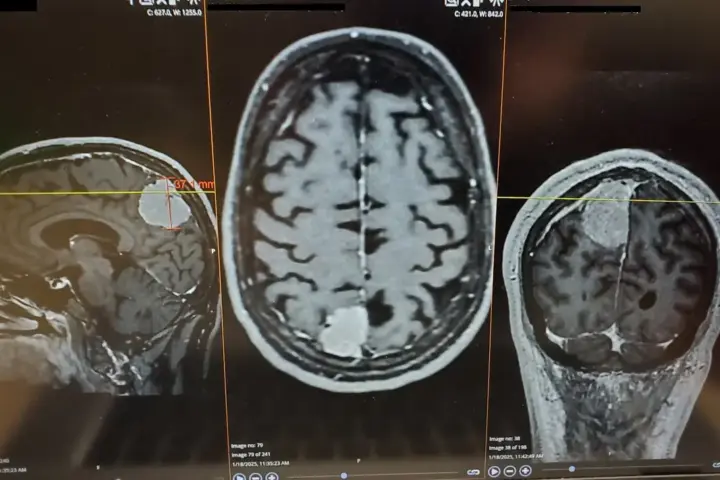
Actress Debby Ryan has described a brain injury that changed her life — and the months of rehabilitation that followed. Her disclosure, made during an interview with Mythical Kitchen, puts a public face on a condition that often goes unrecognized for years: the delayed onset of serious neurological symptoms after repeated concussions.
Ryan said she had experienced five concussions before sustaining what she described as a life-altering brain injury. She spent six months in neurological rehabilitation. She said some effects did not fully return. Her migraines became significantly worse. Ryan described her own experience throughout the interview; her account reflects her personal history and should not be read as a clinical template for other patients.
Persistent cognitive fatigue, light sensitivity, and one-sided headache pain warrant a formal diagnostic workup by a specialized neurologist rather than prolonged reliance on over-the-counter pain medications. Early targeted rehabilitation — including vestibular physical therapy and neurological vision training — can retrain damaged balance pathways and reduce the risk of permanent sensitization of the central nervous system. Anyone experiencing these symptoms should speak to their doctor. The content of this article is not medical advice.
Understanding Hemiplegic Migraines and Diagnostic Blind Spots
A hemiplegic migraine is a rare type of migraine with aura. It causes temporary motor weakness or partial paralysis on one side of the body alongside severe headache pain. The symptoms can closely resemble a stroke or transient ischemic attack, which leads emergency room physicians to misdiagnose these episodes in younger patients.
The diagnostic gap Ryan’s experience reflects is well-documented in neurological medicine. Post-concussive symptoms frequently appear weeks or months after the initial trauma rather than immediately. Patients with chronic migraines and a history of head impacts often treat the headaches with standard pain relief while the underlying vestibular or cervical spine injury remains unaddressed. [LINK: Recognizing early signs of post-concussion syndrome in young adults]
Ryan’s account is not an isolated case. Athletes and young adults who sustain repeated low-grade head impacts over years face a similar delayed-recognition pattern. The brain does not always signal injury at the moment of impact.
What is a hemiplegic migraine? It is a rare subtype of migraine with aura involving temporary motor weakness or partial paralysis on one side of the body, combined with severe headache pain. Symptoms mimic a stroke and require evaluation by a specialist. Standard migraine medications do not always provide relief.
Ryan has not announced any medical advocacy role or upcoming public health initiative. She made the disclosure in the context of a broader conversation about her personal health history. If new developments or advocacy announcements follow, this article will be updated.