 Sunita Somvanshi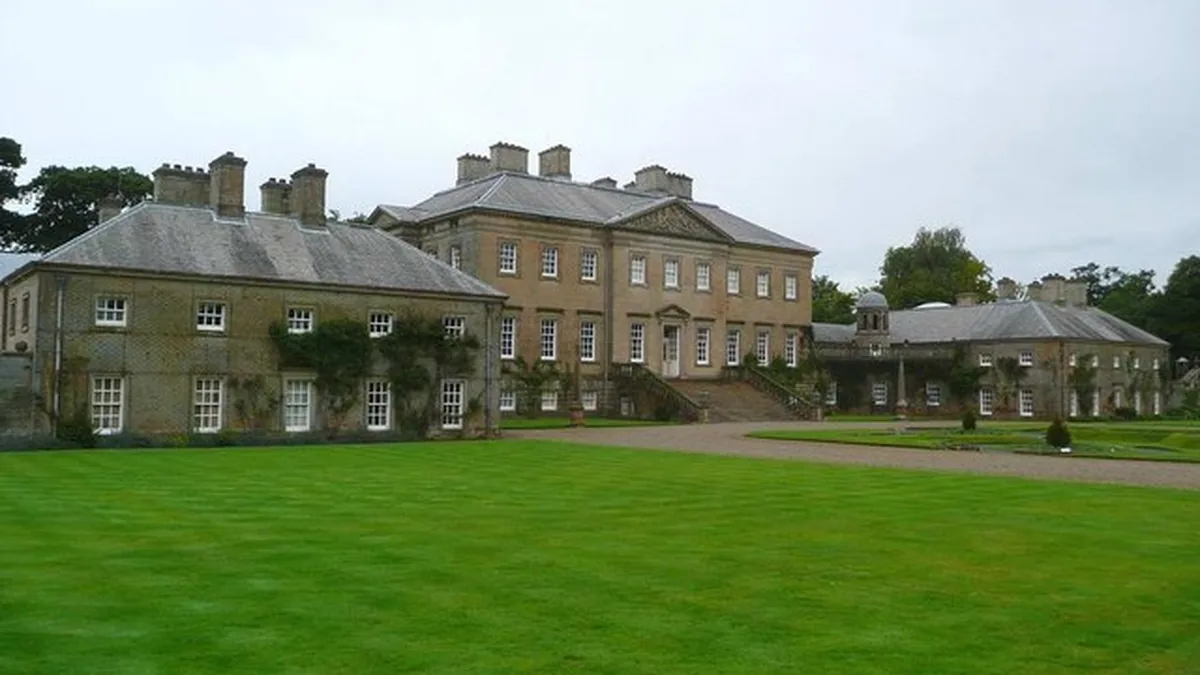
King Charles brought together representatives from some of the world’s most prominent artificial intelligence companies at Dumfries House in East Ayrshire, Scotland, on 17 September 2026. Representatives from Nvidia, Google DeepMind, OpenAI, and Anthropic attended, along with the UK’s AI minister and civil society figures.
The Royal Family‘s official account of the summit records that discussions covered principles for AI development including safety, human dignity, and democratic stability. The official account says delegates considered principles that would uphold human dignity and support people and the planet. Delegates discussed whether a shared set of principles could guide future AI development and deployment.
Enterprise tech leaders and policymakers face growing scrutiny over the ethical and environmental consequences of AI development. Businesses investing in AI will increasingly need to account for questions of safety, governance and societal impact as public and political interest in AI regulation intensifies.
The official account does not announce new legislation, a binding framework, or a financial commitment. The summit, in the language of the Royal Family’s own record, was a conversation about whether shared voluntary principles could guide AI deployment. Any legal or regulatory change requires a separate government announcement. This distinction matters for anyone assessing whether the event altered the current regulatory environment — it did not, in any formal sense.
Balancing Machine Intelligence with Broader Responsibility
Staging the summit at Dumfries House added a layer of context that a London conference room would not have provided. The estate is the centrepiece of The King’s Foundation. The King’s choice of location reflected his broader focus on the relationship between technological progress and its consequences for communities and the natural world.
The connection between AI’s rapid expansion and its environmental and social impacts is not a standard feature of most AI policy discussions, and its presence in an official royal address marks a point of public attention to those questions.
What was the purpose of King Charles’s AI summit?
King Charles convened tech executives and scientists at Dumfries House to push for AI development that puts human safety, ethical responsibility, and environmental sustainability first. He argued that rapid technological progress must be matched with appropriate guardrails to protect democratic institutions and human dignity. No binding agreement or new law was announced at the summit.