Sunita Somvanshi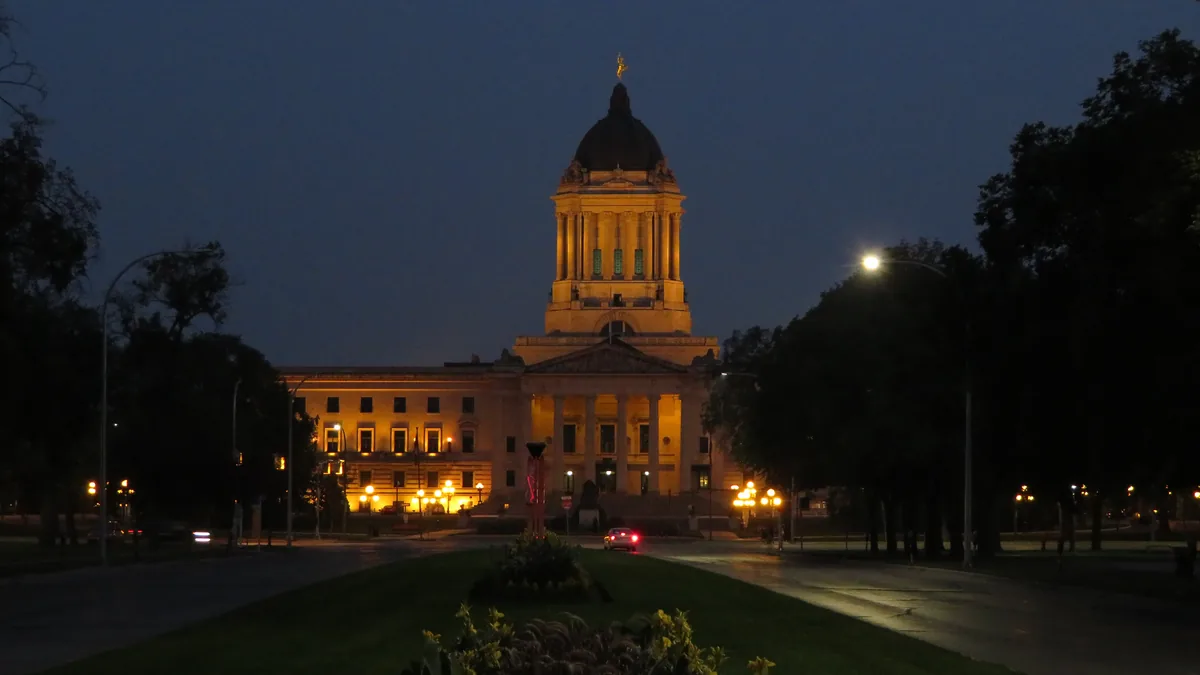
Manitobans have adjusted their clocks twice a year for decades. That ends this fall. Premier Wab Kinew’s government announced September 17, 2026 that the province will stay on daylight saving time permanently—meaning clocks will not roll back when November arrives.
The announcement makes Manitoba one of several Canadian provinces and territories to have adopted or moved toward permanent time—a group that includes Saskatchewan, Alberta, British Columbia, Yukon and the Northwest Territories.
The change is straightforward in practical terms. Clocks would normally fall back one hour on November 1, 2026. Under the government’s decision, they will not. Manitoba will remain on Central Daylight Time through the winter months, which is one hour ahead of the standard time the province would otherwise return to.
Premier Kinew framed the decision around the disruptions caused by seasonal time changes—the sleep disruption, the adjustment period, the knock-on effects on health that come twice a year. Saskatchewan has operated on a single time standard year-round for decades, and Manitoba’s announcement puts it on a similar path.
Manitobans will not make the usual one-hour move back to standard time on November 1, 2026. Winter schedules will hold on daylight time rather than shifting back an hour. Morning darkness will arrive later in the day under permanent daylight time, and evenings will stay lighter longer than residents are used to in winter—though winter sunrise will also occur later than it would under standard time. The change affects work schedules, school routines, travel planning, and any device—phones, computers, smart-home systems—that updates automatically based on time-zone rules. Devices that rely on operating-system time-zone rules will need updated time-zone data; some systems may require manual intervention if they do not update correctly.
The September 17 announcement sits within a longer legislative history that most coverage has glossed over. Manitoba passed an amendment in 2023 designed to eliminate seasonal time changes. That law, however, was never formally proclaimed in force. A further 2025 amendment set March 14, 2027 as the commencement date for those provisions under the Official Time Act. The government’s September 17 announcement effectively moves the practical application of permanent daylight time forward by several months, ahead of what the existing legislation had scheduled. The province has not yet released the specific proclamation mechanism that will give the announcement legal effect.
Will Manitoba clocks change on November 1, 2026?
No, according to the Manitoba government’s September 17 announcement. The province says clocks will not return to standard time on Nov. 1, 2026. Manitoba plans to remain on daylight saving time permanently, ending the seasonal one-hour change that residents have followed for decades. The province has not yet published the full proclamation details.
November 1 is the date to note. No clock change, no one-hour adjustment on the first Sunday in November.