 Sunita Somvanshi
Reports indicate that up to 200,000 foreign nationals holding B-1/B-2 visitor visas who applied for asylum could face visa revocation under executive orders, sparking debate among immigration lawyers and policy experts about the legal mechanics and implications.
The revocation authority stems from INA § 221(i), which allows visa revocation when an applicant is determined to be ineligible or inadmissible. Executive Orders 14419 and 14418 reportedly expanded the grounds for applying this statute to asylum applicants.
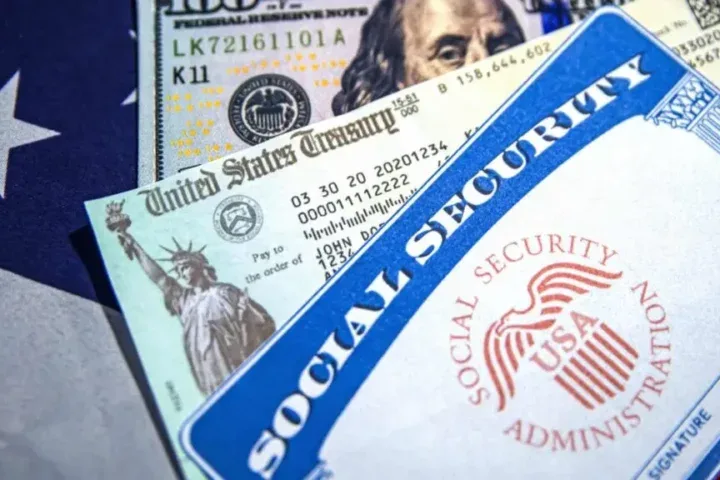
When someone files Form I-589, the asylum application, generally, time while a bona fide asylum application is pending is not counted as unlawful presence. However, a pending asylum application does not automatically grant lawful immigration status. An applicant’s I-94 arrival record determines whether they entered with lawful admission—a key factor distinguishing legal status from pending-case status. a federal judge blocking an immigrant-visa ban
Legal experts note that the asylum system provides multiple protective pathways. Some individuals in removal proceedings may seek withholding of removal or protection under the Convention Against Torture. The Department of Justice oversees immigration courts and prosecutes immigration-related cases. This distinction matters legally, as each pathway has different evidentiary requirements and outcome possibilities.
Recent indictments in California and New York have targeted commercial birth-tourism operations, which are separate from asylum policy but highlight enforcement prioritization. Immigration attorneys emphasize the complexity of visa status, asylum pending status, and removal eligibility. A person cannot simultaneously hold valid B-1/B-2 status and an approved asylum status—asylum approval terminates visitor visa validity. Iran’s visa-waiver suspension
The revocation strategy targets the interval between visa entry and asylum decision, which can span months or years depending on court backlogs. USCIS processes Form I-589 asylum applications through regional offices and immigration courts. The Board of Immigration Appeals reviews denials and procedural challenges. Any revocation authority must navigate this multi-stage system without creating contradictions—a visa revocation does not automatically end an asylum case, and asylum law specialists expect legal challenges to new interpretations.
The proposal raises questions about due process, statute interpretation, and whether Congress intended the revocation authority to apply retroactively to pending applicants. Congressional Research Service analyses and law review articles are expected to weigh in as details emerge regarding the legality and implementation of these executive directives. a migration surge at the Ceuta border