Jonathan Santosh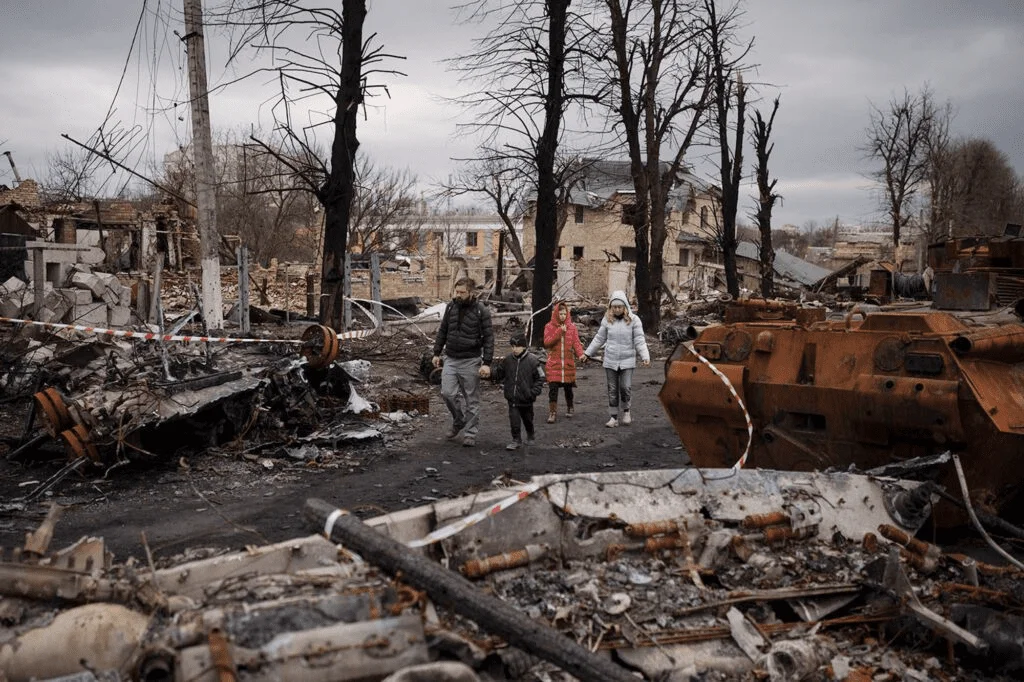
Ukraine’s Habitat & Environment Being Deteriorated Due To The War
The ongoing conflict in Ukraine has created a severe environmental crisis affecting ecosystems across Europe. From Chernobyl’s exclusion zone to the Azov Sea, military activities have caused irreversible damage to natural habitats and wildlife, creating contamination that will persist for generations.
Nuclear Contamination Concerns
Radiation monitoring in the Chernobyl Exclusion Zone was disrupted when Russian forces occupied the facility in March 2022. The International Atomic Energy Agency confirmed that damage to the plant’s infrastructure could increase radiation risks. The Red Forest, one of the most contaminated areas, has seen increased radioactive dust dispersion due to armored vehicle traffic. Soil contamination levels in the 30-kilometer zone have been measured at 10-15 times normal background radiation.
Mariupol and Industrial Pollution
The Azovstal Iron and Steel Works plant in Mariupol released toxic chemicals when it was shelled, contaminating soil and groundwater. The UN Environment Programme estimates that cleanup will require $2.5 billion. Azevitnoye Lake near Mariupol turned red from industrial runoff, affecting local agriculture and water supplies for 50,000 residents in the surrounding area.
Habitat Fragmentation and Wildlife
Ukraine’s national parks, including the Carpathian Biosphere Reserve, have been damaged by military infrastructure construction. The European Environment Agency reports that 150,000 hectares of protected habitat have been disturbed by troop movements, affecting endangered species like the European bison and steppe marmot. The Dnipro Delta, a UNESCO Biosphere Reserve, has seen wetland degradation of 40% due to military activity.
Water and Soil Contamination
The Donetsk and Luhansk regions have seen widespread soil contamination from heavy metals and unexploded ordnance. According to the Ukrainian Environmental Inspectorate, over 200 industrial facilities have been damaged, releasing chemicals into the Dnipro River watershed that provides water for 17 million people. The World Health Organization has identified 12 sites with elevated dioxin levels exceeding safety thresholds.
Long-term Consequences
A joint study by the IUCN and UNEP estimates that post-war recovery could take decades. The economic cost of environmental damage is projected at $7 billion, with ongoing contamination requiring long-term monitoring and remediation programs. The Chernobyl Ecosystems Forum warns that radioactive contamination could spread via wind and water across international borders.
Climate and environment coverage: Europe heatwaves analysis and Europe wildfire season.