 Govind Tekale
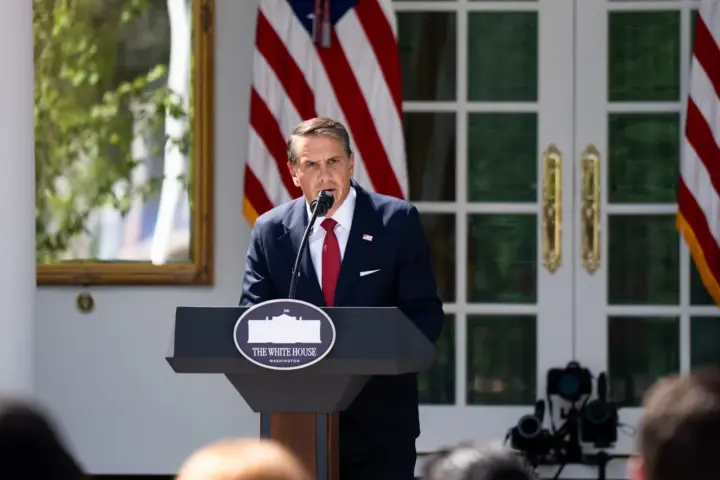
President Trump has promised that every adult US citizen will receive a $5,000 cash payment if Republicans retain control of both chambers of Congress. The White House is calling it the “Trump Dividend,” framing it as money returned to Americans from tariff revenues. The proposal was first announced on September 10, 2026. Financial analysts and nonpartisan budget experts say the numbers do not add up.
The White House published its announcement on September 10, describing the $5,000 payment as conditional on Republican victories in the House and Senate. There is no legislation, no funding mechanism, and no payment schedule in place. The announcement is a campaign pledge, not an active government program.
Do not adjust your household budget, debt repayment plan, or investment strategy based on this promise. The proposal faces two distinct barriers — one fiscal, one constitutional — that make it highly unlikely to become a real payment, regardless of the midterm outcome. Base your financial decisions on tax brackets, credits, and programs that currently exist.
Why the math doesn’t work
There are approximately 245 million adult US citizens. The Committee for a Responsible Federal Budget estimates the proposal would cost approximately $1.2 trillion. According to CRFB’s analysis, new tariff revenue is currently generating less than $200 billion annually — well below what the proposal would require. Absent additional offsets or borrowing, the gap between tariff revenues and the cost of this proposal would add directly to the federal deficit.
The constitutional barrier is separate. Under Article I, Section 9 of the US Constitution, federal spending requires a statutory appropriation bill passed by Congress and signed into law. The President cannot create a broad new $1.2 trillion payment program through an executive order. Even if Republicans win both chambers, passing a bill of this scale would face procedural hurdles including the Senate filibuster, though reconciliation procedures can alter that path.
The White House has not released a legislative text, and no supporting bill has been introduced in Congress. Campaign proposals of this type have been announced before midterm elections without becoming legislation.
For context: the 2020 and 2021 COVID stimulus checks, which were real payments most Americans received, ranged from $600 to $1,400 per person across three rounds, were funded through emergency appropriations legislation that Congress actually passed, and still added hundreds of billions to the deficit.
Any legitimate government cash payment program will be announced through IRS.gov, through a signed law posted at Congress.gov, or through a formal White House press release with legislative details. The White House announcement of September 10 describes the proposal but contains no legislative details or payment schedule.
Related reporting and primary sources: related benefits explainer; White House proposal; CRFB analysis.