 Rahul Somvanshi
The Super El Niño 2026 forecast is tracking toward record-breaking intensity, and climate scientists say the world may not be ready for what comes next. NOAA’s Climate Prediction Center declared in early June 2026 that El Niño conditions had officially formed and placed the probability of a very strong event at 63% for the November 2026 through January 2027 peak window.
Long-range forecast models from multiple centers now converge on a similar picture: sea surface temperatures in the central equatorial Pacific could peak around 3.6 degrees Celsius (6.5°F) above average. That would place the 2026-27 event ahead of the 1997-98 Super El Niño — currently the benchmark for recent extreme events — and potentially in the range of the catastrophic 1877-78 event, which remains the strongest on record in the instrumental era.
Why the Super El Niño 2026 Forecast Points to $700 Billion in Economic Losses
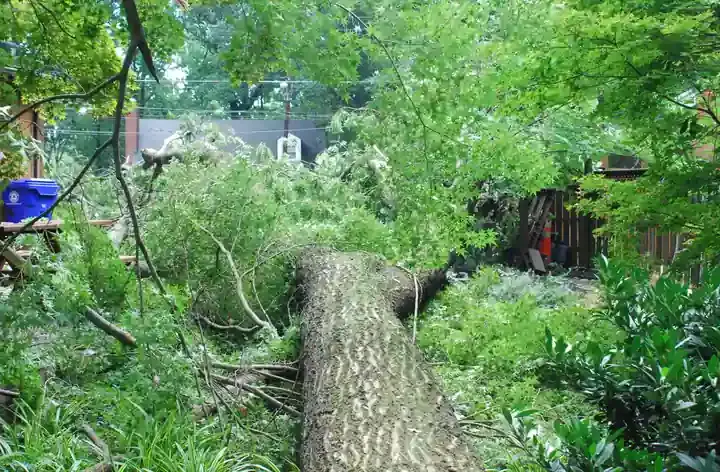
The economic implications are substantial. Analysis by the Peterson Institute for International Economics estimates that if this El Niño reaches a magnitude comparable to 1997-98, contemporaneous global economic losses will be on the order of $686 billion, driven by agricultural disruption, infrastructure damage, and public health costs. Without coordinated international response, those losses could compound to $3.1 trillion over the subsequent five years.
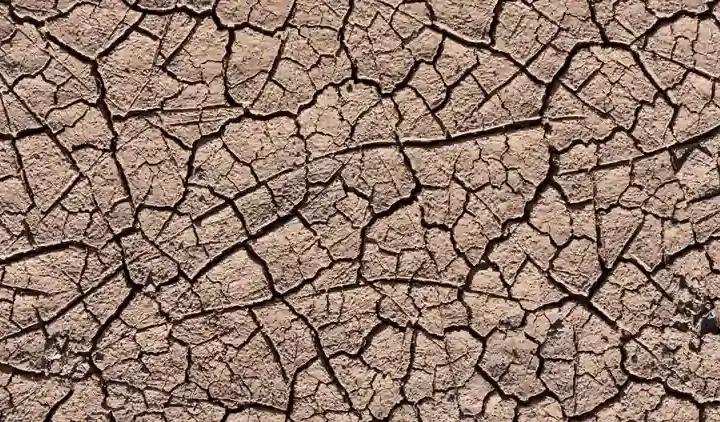
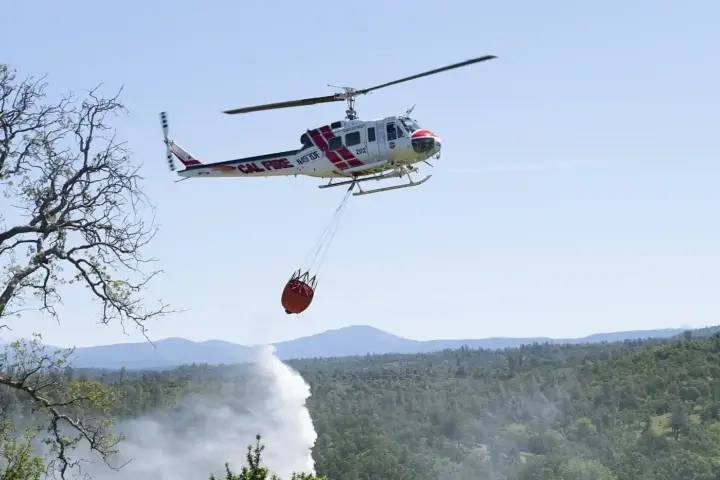
North America is already feeling the early effects. El Niño conditions tend to produce hotter, drier weather across the northern tier of the continent, and 2026 has brought an aggressive wildfire season to the western United States and Canada. Drought stress has spread across parts of the Southwest, and snowpack in key western watersheds came in well below normal — reducing water reserves for the dry season ahead. Sea surface temperatures in the Pacific have already reached historic highs, providing additional energy to the developing system.
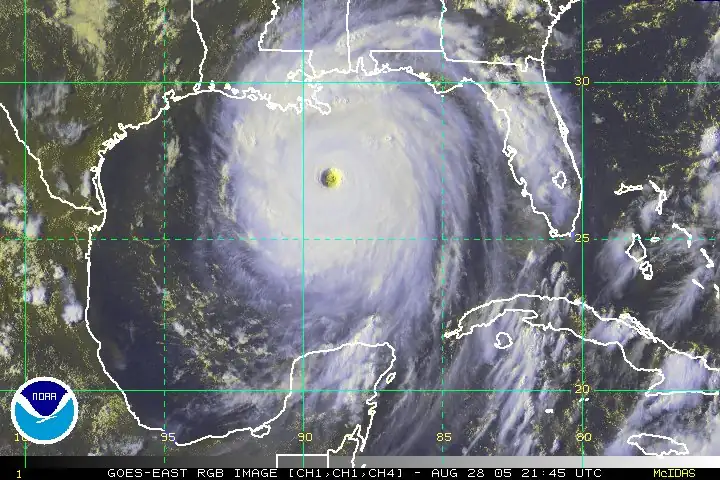
The regional impacts vary sharply. Australia, Southeast Asia, and the northern United States and Canada face drier and warmer-than-average conditions through the event, increasing drought and wildfire risk. The southern tier of the United States, Chile, Argentina, and parts of East Africa typically experience wetter conditions during strong El Niño years, with elevated flooding risk. The 2026 Atlantic hurricane season is also expected to be influenced, though El Niño’s suppression of Atlantic activity can work in coastal communities’ favor even as it worsens conditions elsewhere.
What makes this event particularly concerning is the background climate state against which it is developing. El Niño events do not happen in isolation — they ride on top of the long-term warming trend from greenhouse gas accumulation. The 2023 El Niño, which drove the warmest year ever recorded globally, showed how a moderate event can produce extreme temperatures when combined with an already-elevated baseline. A Super El Niño on top of 2026’s warmer baseline ocean and atmosphere would likely push those compounding effects further.
The broader climate system is under simultaneous stress from multiple directions, and a record El Niño would arrive at one of the most vulnerable moments in recent history for global food supply chains, energy infrastructure, and emergency response systems. NOAA will issue updated El Niño outlooks monthly through the remainder of 2026. Agricultural planners, disaster managers, and policymakers in affected regions have been urged to begin contingency preparation now — these systems require months of lead time to mobilize effectively, and the forecasts suggest the window for advance action is narrowing.