 Sonali Tiwary
Indonesia’s disaster agency said Friday it is making wildfires in Kalimantan, the Indonesian part of Borneo, a top priority after the number of fire hotspots jumped. The move comes as haze begins drifting across a border shared with Malaysia.
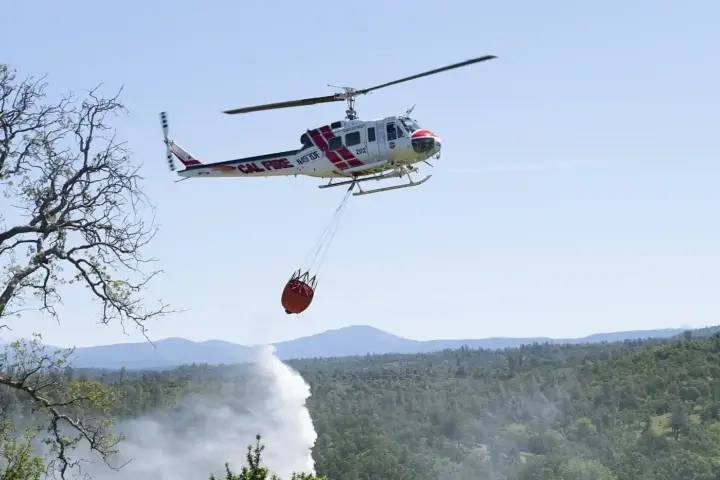
The government’s fire-monitoring system, Sipongi, detected 1,250 hotspots in the week of August 21—up from 1,187 the week before. More than 900 of those hotspots were in Kalimantan alone. Some districts reported unhealthy air quality, and schools in nearby Malaysian territory have begun closing. Indonesia is responding with helicopters for patrols, cloud seeding to trigger rain, and water-bomb drops across six provinces: Riau, Jambi, South Sumatra, and the three Kalimantan provinces. Nearly 13,000 personnel are now deployed there.
The effort faces an odd squeeze: money. Indonesia’s disaster agency had its 2026 budget cut to 491 billion rupiah—about $27.5 million—down from 2.01 trillion rupiah (roughly $113 million) in 2025. It is the smallest budget in 15 years. Riau’s fire-fighting budget is only about $205,500. West Kalimantan has been hit hardest. By August 9, it had burned 28,680 hectares—more than half the total burned across all six provinces. The capital city Pontianak moved schools online because of haze. Orangutan rehabilitation centers near the fires are at risk.
A forecast from the US National Oceanic and Atmospheric Administration predicts an 81 percent chance of a “very strong” El Niño event from October through December, which typically fuels more fires. Australia’s climate authorities have issued their own super-El-Niño warning, and Indonesia has faced deadly natural disasters earlier this month as the dry season sets in. Across Indonesia this year, 202,004 hectares have burned from January through July.
Haze from Indonesian fires regularly drifts into neighboring Malaysia and Singapore. Malaysia’s Sarawak state closed more than 100 schools on August 12 due to smoke. The ASEAN Specialised Meteorological Centre documented smoke drifting from West Kalimantan into Sarawak, and NASA’s fire-monitoring system tracks the hotspots from orbit. The regional haze treaty that governs cross-border air pollution has no enforcement mechanism, leaving each country to manage on its own.