Sunita Somvanshi
Oregon submitted its official Offshore Wind Energy Roadmap to the state legislature on July 24, 2026, outlining a plan to develop 3.1 gigawatts of floating offshore wind capacity at two designated sites — enough to power approximately one million Oregon homes.
The roadmap, developed pursuant to House Bill 4080 (2024) and further directed by HB 3375, identifies two key Wind Energy Areas (WEAs) previously designated by the Bureau of Ocean Energy Management (BOEM):
- Coos Bay WEA: 61,204 acres, approximately 30 miles offshore
- Brookings WEA: 133,808 acres, approximately 20 miles offshore
Federal Headwinds
The project faces a significant federal obstacle: the Trump administration rescinded the BOEM designation of these areas in July 2025, leaving Oregon without federally recognised development zones. The state’s roadmap, submitted to Oregon’s Department of Land Conservation and Development and the Oregon Department of Energy, argues for their reinstatement and outlines state-level permitting pathways regardless of federal status.
Oregon’s Climate Goals
Oregon has set ambitious targets: 50% renewable energy by 2040 and full net-zero electricity by 2040. Offshore wind is considered essential to meeting those goals given Oregon’s limited land-based wind resource compared to states like Texas or Iowa. The Sierra Club Oregon Chapter has backed the roadmap while calling for stronger tribal consultation and fisheries impact protections.
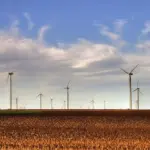
Oregon’s Pacific Ocean has among the strongest and most consistent offshore wind resources in North America — with average wind speeds significantly exceeding those of the Atlantic coast — making it a prime target for floating turbine technology, according to reporting from WorkBoat.
What Happens Next
The roadmap must now be reviewed and approved by the Oregon legislature. If approved, the state will seek federal re-engagement on the BOEM designations while pursuing state-level environmental review and stakeholder consultations — a process expected to take several years before any turbines are installed.