 Rahul Somvanshi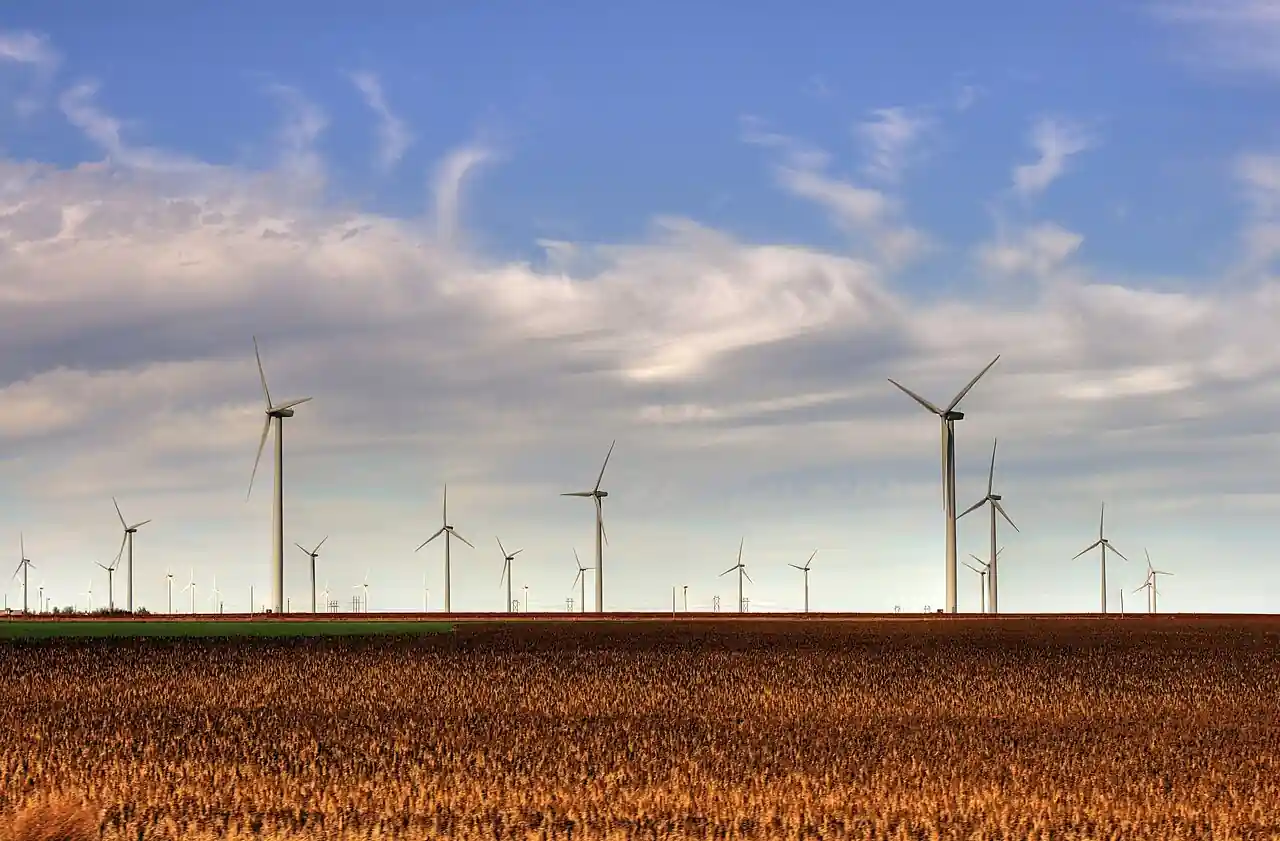
Pete Ferrell’s 7,000-acre ranch sits in the Flint Hills near Beaumont, Kansas—a landscape of dramatic weather swings and unpredictable cattle markets. In December 2005, the Elk River Wind Project changed that calculus when 100 turbines rose across the grassland, including 50 that stand on Ferrell’s property.
Those GE 1.5 MW turbines generate about 550,000 megawatt-hours annually—enough to power roughly 42,000 homes. The turbines and infrastructure occupy only about 50 acres (less than 1% of Ferrell’s ranch), leaving over 99% open for cattle grazing and the prairie ecosystem to continue functioning.
For Ferrell, the economics shifted everything. Wind lease royalties now represent roughly half his annual income. Across the U.S., landowners typically receive about $6,700 per megawatt per year in wind lease payments—a figure that varies by region, project efficiency, and contract terms.
Standard wind industry contracts address decommissioning responsibilities clearly. When a turbine reaches the end of its operating life, the standard agreement requires complete foundation removal to 3–4 feet below grade, followed by soil reclamation so the land can return to grazing use.
Kansas ranks among the top wind-producing states, thanks to consistent atmospheric conditions that make the Flint Hills an ideal wind corridor. For rural families facing agricultural volatility, wind energy presents a genuine economic stability option that transforms risk into predictable income.