Superconducting Low Energy Memory: MIT’s Tiny Sandwich Holds Data Without Power to Keep It
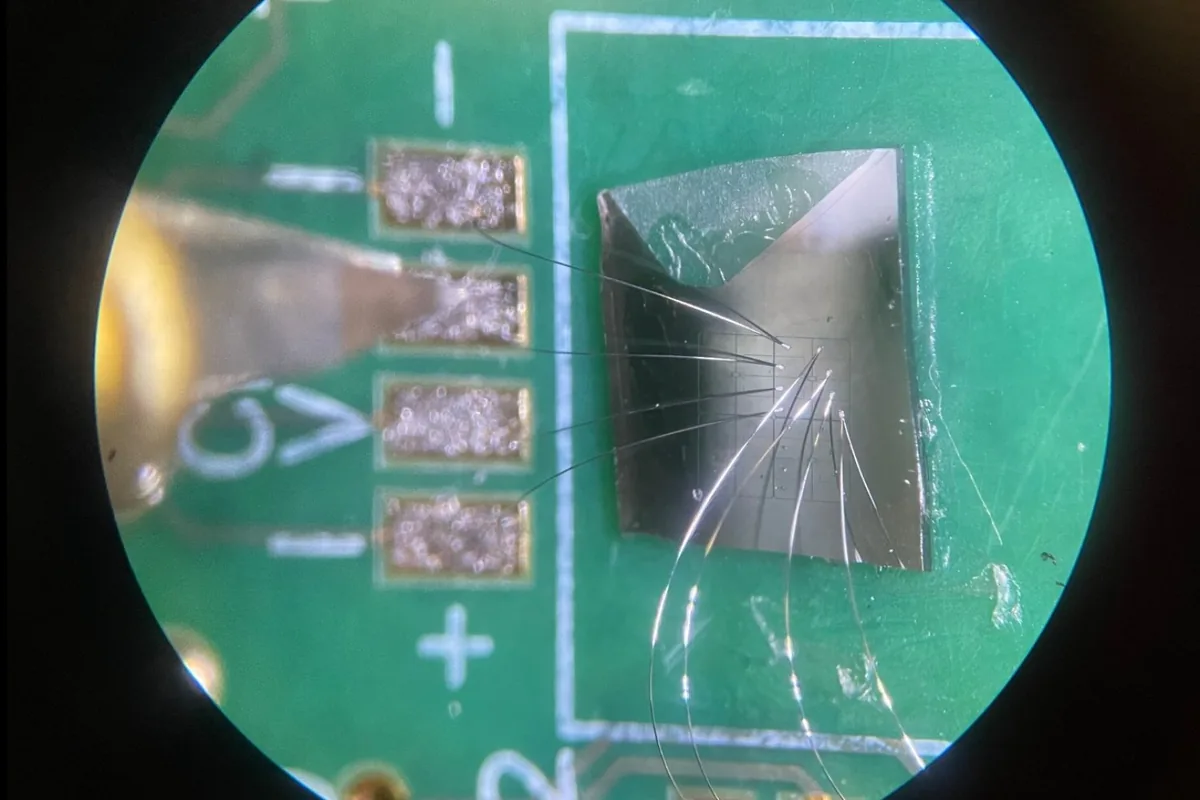
MIT physicists have built a memory cell that keeps its data with the power switched off. MIT News reports that changing its magnetic alignment takes less energy than in traditional semiconductor cells. The device is a superconducting low energy memory cell built at the micrometer scale, smaller than the width of a human hair. The team published the work in Physical Review Letters, a peer-reviewed physics journal, and MIT News reported it on November 20, 2026.
The research comes from MIT’s Plasma Science and Fusion Center and the MIT Department of Physics. Josep Ingla-Aynés, a postdoctoral researcher, is the paper’s first author. Senior research scientist Jagadeesh S. Moodera is a co-author, along with colleagues at MIT, the superconducting electronics company SEEQC, and Newton North High School. The published paper carries the title “Magnetic Exchange-Coupled Superconducting Devices with Broken Symmetry for Cryogenic Memory.”
Grant acknowledgements list the US Air Force Office of Scientific Research and the National Science Foundation. They also name the Army Research Office and MIT Lincoln Laboratory. Below its critical temperature, a superconductor carries electric current with zero electrical resistance. Superconductivity requires a material to be below its critical temperature, so these devices run cold.
For anyone watching their energy footprint, the practical meaning is this. Chips built on this approach could hold data without drawing power to keep it. They could also write that data using less energy, though that comparison is made at the level of a single cell. These are possibilities drawn from the device physics, not measured results for a full data center.

Latest from Science
Solar Panel Shockwave Recycling Pilot Recovers 99.99% Pure Silver and 99.995% Pure Silicon
Pilot solar panel shockwave recycling lines have recovered silver and silicon from old panels at very high purity. Researchers in Singapore and Poland report silver above 99.99% purity and silicon above 99.995%
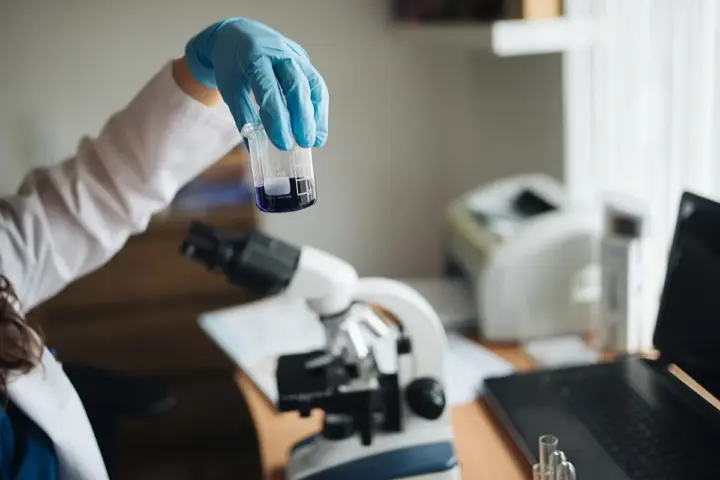
Metal-Free Hydrogen Peroxide Catalyst Hits 99% Faradaic Efficiency in Lab Tests
In laboratory electrolysis, a metal-free hydrogen peroxide catalyst reached over 99 percent Faradaic efficiency. That means over 99 percent of the applied electric charge went into the product the chemists wanted. The
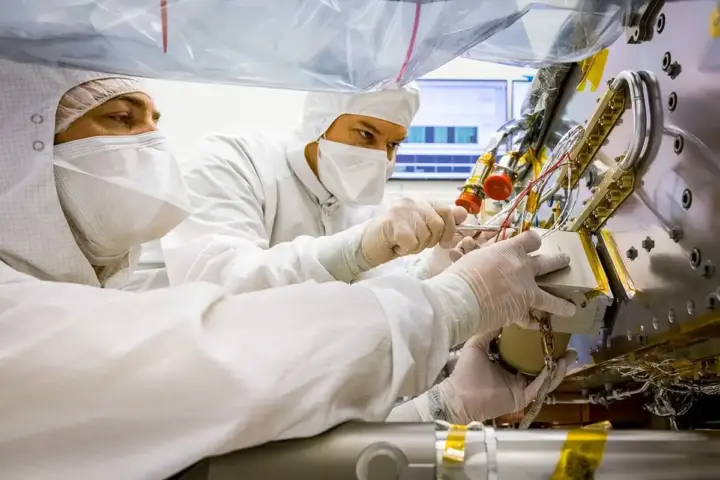
NASA Dragonfly DragonCam Cameras Installed on Titan-Bound Rotorcraft
How will a robotic rotorcraft see Titan once it arrives? The answer is now taking shape. The NASA Dragonfly DragonCam cameras, seven in all, are installed and tested on the craft at
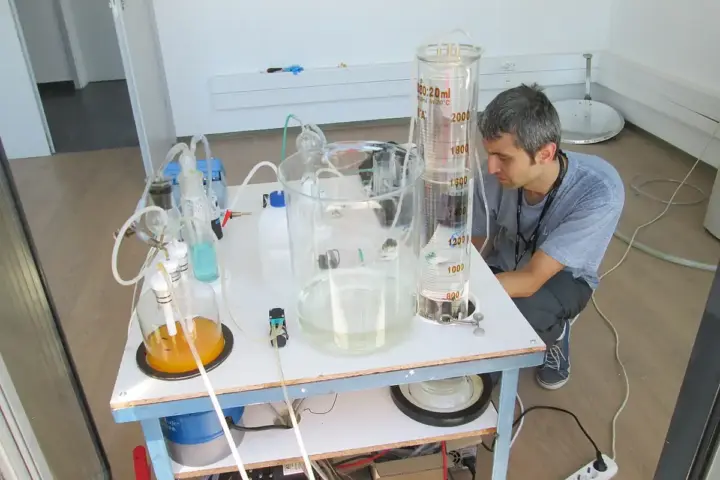
Visible Light CO2 Catalyst Turns Carbon Dioxide Into Industrial Feedstock for Nearly 4 Hours
Carbon dioxide is chemically stable, which makes it difficult to reuse. A team at Rice University has built a visible light CO2 catalyst that turns it into a useful chemical. Their catalyst

Chevron Skink Returned Wild: Eleven Lizards Home on Aotea After 30 Years in Zoo Care
Eleven chevron skinks have been returned to the wild on Aotea, Great Barrier Island, after 30 years in Auckland Zoo’s care. A chevron skink returned wild is a rare piece of good

62 Endangered San Francisco Garter Snakes Return to the Wild in Historic First, With 130+ More Coming in 2027
62 Endangered San Francisco Garter Snakes Return to the Wild in Historic First, With 130+ More Coming in 2027 If you have ever worried that a local species is slipping away, this
NIH BRAIN Initiative Cell Atlas Maps the Basal Ganglia
Families affected by Parkinson’s disease, Huntington’s disease or autism may want to know which parts of the brain are involved. On November 12, 2026, NIH-funded researchers published a large set of studies
UCL’s Water-Based Iodine Battery Kept 96% Capacity After 1,000 Cycles—What the Lab Results Show
UCL Aqueous Battery Breakthrough: Four-Electron Iodine Storage Without Halogen Salts Concerns about battery fires often lead people to ask whether a home battery or a neighborhood power store is safe. This laboratory
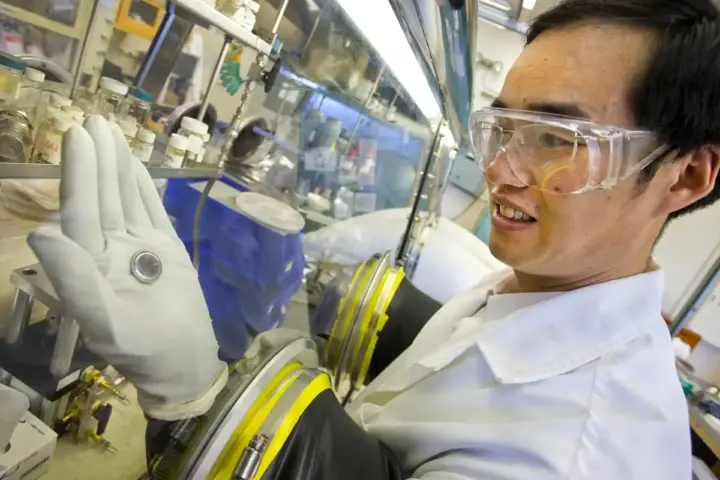
UCL’s Water-Based Iodine Battery Kept 96% Capacity After 1,000 Cycles—What the Lab Results Show
UCL Aqueous Battery Breakthrough: Four-Electron Iodine Storage Without Halogen Salts Concerns about battery fires often lead people to ask whether a home battery or a neighborhood power store is safe. This laboratory

International TOAR-II Ozone Assessment Ties Smog to 500,000 COPD Deaths
If you have a parent or partner with COPD, a long-term lung disease, ozone matters to you. The same goes for anyone who checks the air quality forecast before a run. Ground-level

NASA X-70 Fractal Aircraft: Modular Crewed Experimental Jet
The NASA X-70 Fractal aircraft is a modular crewed experimental research jet. It was built to test new flight-control technology and swap payloads quickly. The X-70 Fractal can accommodate up to 2,000

October 2026 Global Temperature Surge: NOAA Logs 2.57°F Largest Monthly Departure As 11 Major Cyclones Form
October 2026 global temperature records arrived together. The month brought the strongest departure from average in NOAA’s 1850–2026 record. It also set a fifth consecutive monthly ocean record and saw tropical cyclone

Culling Seals and Sea Lions Won’t Save Salmon, NOAA Study Finds
One question for West Coast salmon managers and anglers is whether removing seals and sea lions from the ocean can help Chinook and coho recover. A NOAA Fisheries and Oregon State University
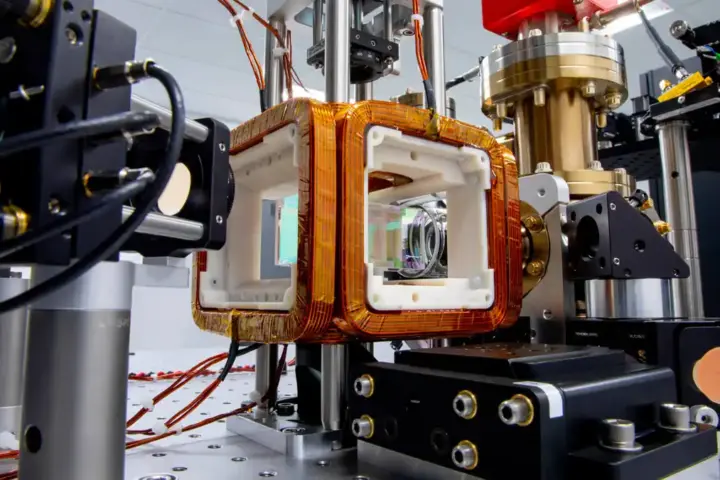
Atom Computing CHIPS Award Finalized with $100M Ceiling to Build Utility-Scale Quantum Systems
Scaling a quantum computer involves more than increasing its qubit count; the system must also support qubit control and integration. The U.S. Department of Commerce has finalized an award of up to
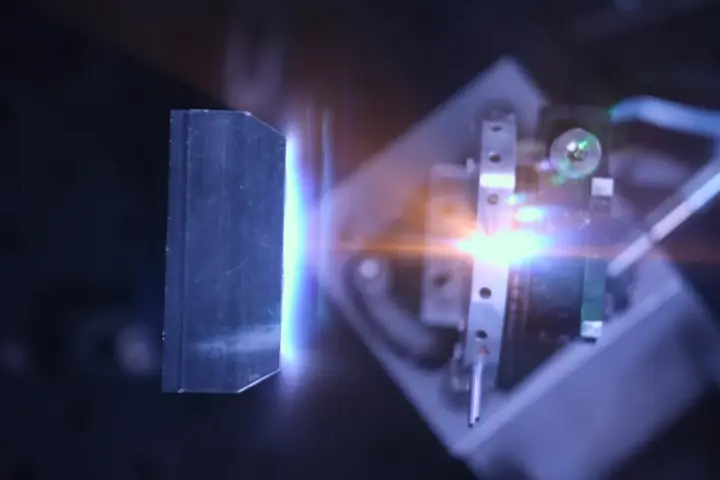
First Light Fusion FLARE: Central Laser Facility Models Fast-Ignition Fusion
For UK fusion investors and energy planners, a central question is whether inertial fusion can reduce the laser energy needed for ignition while maintaining high fusion gain. STFC’s Central Laser Facility (CLF)