Rahul Somvanshi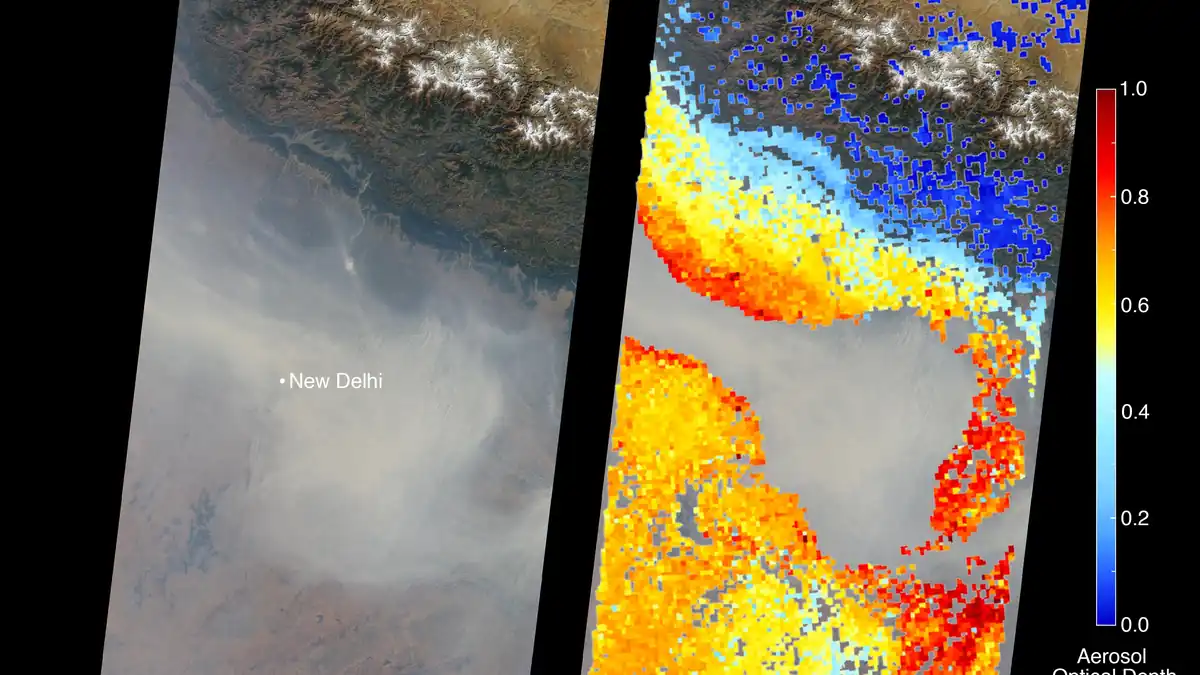
Delhi residents scrolling through government announcements this week saw a number worth remembering: 211. That is how many days in 2026 the capital’s air has stayed within official clean limits, the city’s best run since 2016. But anyone stepping outside this morning already knows the air feels thick again. The record and the smog outside are both true at once, and understanding why matters more than the headline.
Delhi’s Environment Department confirmed on October 17, 2026, that the city logged 211 days this year with Good, Satisfactory, or Moderate Air Quality Index readings, meaning AQI under 200. Environment Minister Manjinder Singh Sirsa, serving under Chief Minister Rekha Gupta’s administration, credited mechanical road sweeping, anti-smog guns, and AI-based monitoring for the improvement. Excluding the 2020 pandemic lockdown year, this is Delhi’s highest clean-air tally since 2016, already beating full-year totals of 200 days in 2025, 209 days in 2024, 159 days in 2018, and 110 days in 2016. Sirsa added a caution: maintaining these results during the upcoming winter months will be the real test. That same day, Central Pollution Control Board data told a different story.
Despite headlines celebrating 211 clean air days this year, Delhi-NCR residents in Delhi, Noida, Gurugram, and Ghaziabad should not put away their N95 masks or indoor HEPA purifiers yet. India’s Moderate category stretches all the way to an AQI of 200, and the India Meteorological Department forecasts dry skies with dropping night temperatures through October 22. Trapped vehicular exhaust and incoming farm smoke are set to push morning air back into the Poor 201-300 zone through the week. Delhi’s pollution problem sits alongside other civic strains in the capital, including the recent Delhi Metro security restrictions at six stations that have reshaped daily commutes this month.
Why the AQI jumped back after rain relief
CPCB’s Daily AQI Bulletin showed how fast the improvement reversed. Rain brought Delhi’s AQI down to 66 on October 15, a genuinely clean reading. Within 24 hours, it climbed back to between 177 and 216, crossing into Poor territory at the top end. The IMD’s five-day forecast through October 22 points to zero rainfall and calm night winds, conditions that trap pollutants close to the ground instead of dispersing them.
What actually counts as a clean day
Delhi’s 211-day tally includes any day rated Moderate, meaning AQI up to 200. An AQI of 195, well inside that moderate band, corresponds to PM2.5 concentrations roughly four to five times higher than the World Health Organization’s 24-hour safe guideline of 15 micrograms per cubic meter. Residents breathed clinically hazardous particulate levels on many days that still counted toward the government’s milestone, a gap the celebratory announcement did not mention. Enforcement pressure around other environmental hazards in the capital region, such as the city’s ongoing water pollution concerns tied to festival idol immersion, shows a similar pattern of seasonal relief followed by a quick rebound.
For now, Delhi’s 211-day record stands as a real improvement over past winters, built on sustained street-level interventions rather than one lucky weather window. Whether that progress holds depends on the next five days, not the last ten months. With the forecast pointing to stagnant air through October 22, the government’s own winter test has already begun.