 Rahul Somvanshi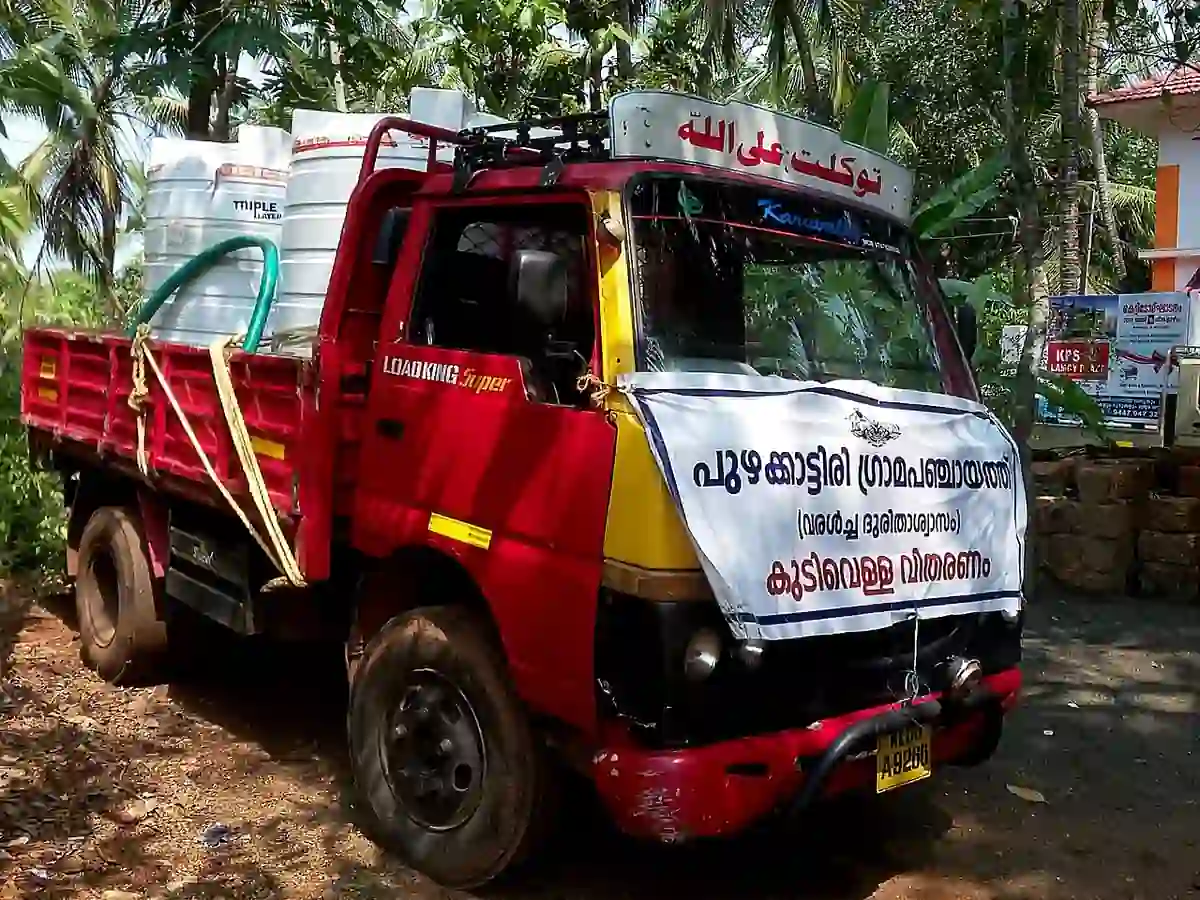
Families in drought-affected villages across rural Maharashtra are running out of water before the next tanker arrives. Residents in worst-affected talukas report borewells that previously found water at shallow depths now coming up empty far below. Surface reservoirs in drought-declared areas, which should carry communities through the post-monsoon period, are emptying within weeks of the last rainfall. District collectors order more tankers, the tankers come, the water runs out, and nothing changes at its root.
Maharashtra’s groundwater crisis has deepened across Marathwada and Vidarbha through the 2026 post-monsoon period, as seasonal rainfall has failed to recharge aquifers already drawn down by intensive borewell extraction. Emergency tanker deployments have been authorized across multiple talukas to cover basic drinking water for worst-affected villages. But tanker supply addresses hydration on the day of delivery — not livestock, not agriculture, not sanitation. State dam storage levels in drought-declared districts remain critically low, and borewells in worst-affected areas are descending to depths where seasonal recharge can no longer reliably follow.
Families across drought-declared rural districts face deepening water insecurity as localized tanker deliveries fail to keep pace with rapid groundwater depletion. With borewells running dry at increasing depths and heat evaporating surface water, reliance on intermittent government tankers leaves villages without basic drinking water or livestock sustenance. Without immediate structural shifts toward community rainwater harvesting and strict borewell regulation, rural households face debt-driven water purchasing or distress migration to urban fringes.
Why Tankers Cannot Solve What They Did Not Cause
A resident from a drought-impacted village, speaking in People’s Archive of Rural India (PARI) reporting — the multilingual multimedia journalism organization founded by P. Sainath documenting the lives and climate vulnerabilities of rural India — described the collapse: “No rain, no water — not even enough to drink. What do we do, where do we go for water? People’s daily routines have collapsed; we can’t move, we can’t settle. People are migrating to wherever water is available. The administration’s response is the usual: ‘it’s a drought — start the tankers, do this, do that’ — while people are left to somehow meet their own needs.”
The same resident named both causes: “Climate change and the groundwater table dropping deep. And when rain does fall, the water doesn’t last — the heat is so intense it evaporates, so even what water exists is finished.”
Maharashtra’s emergency tanker system was built to bridge a predictable gap — hold communities through a deficit period until monsoon rain refilled surface catchments. That logic assumed two things: aquifers could recover between monsoons, and post-monsoon temperatures stayed within historical ranges. Both have come under sustained pressure at once.
Intensive borewell extraction across affected districts has in many areas drawn the water table below the reach of seasonal recharge. Post-monsoon heat has in affected areas exceeded historical seasonal averages, evaporating shallow surface reservoirs before water can percolate. Tankers address one day’s thirst without touching either cause. For anyone tracking climate-driven migration in rural India and Maharashtra drought policy, this is where the limit of emergency logistics becomes impossible to ignore.
Communities dependent on daily tanker deliveries cannot plan planting seasons, manage livestock, or sustain the economic activity that keeps rural households solvent. The tanker has become a holding pattern without an exit.
The official tanker schedule remains active across drought-declared districts. No structural change to borewell regulation or community rainwater harvesting frameworks has been announced. Maharashtra’s legislative session approaches in the coming months. Check back as new district water storage figures and any policy announcements on long-term water governance emerge.