 Rahul Somvanshi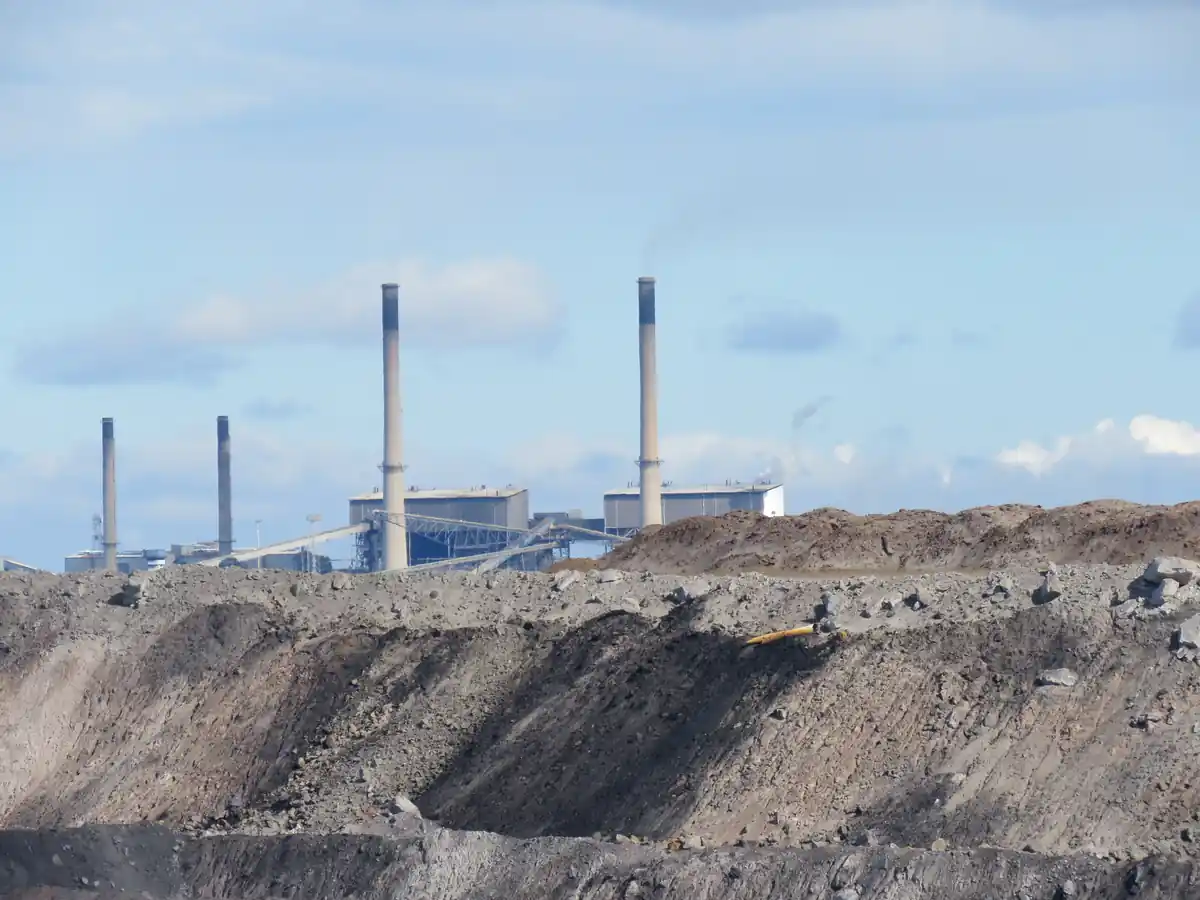
Australia's High Court handed down a 3–2 ruling on the Mount Pleasant coal mine this week. The single question that drove the most immediate searches—does this decision close the mine?—has a clear answer: no.
The NSW government confirmed in its official response that Mount Pleasant holds a separate approval to keep operating until 2032. That approval was not challenged in this case and the court's decision leaves it untouched. The ruling is about something narrower: whether the 2022 planning assessment for a 22-year expansion of the mine was legally adequate.
The majority found it was not. The flaw was in how the assessment handled Scope 3 emissions—the carbon dioxide released when the coal is burned, mostly by buyers in East Asia. The majority held that the planning commission had to consider whether conditions could minimise all greenhouse-gas emissions, including Scope 3 emissions, to the greatest extent practicable. That consideration was missing from the 2022 process, so the expansion approval has been quashed.
For the workers employed at the site near Muswellbrook in the Upper Hunter Valley, and for the businesses and households whose incomes connect to the mine, the separate operating approval remains in force to 2032. The ruling does not alter that.
What the Scope 3 requirement actually means
Scope 3 emissions are contentious in climate law because they occur overseas under another government's jurisdiction. The legal argument for including them in an Australian assessment is that an approval to export coal creates the conditions for those emissions; the exporter is part of the causal chain.
The court did not rule that Scope 3 emissions must always stop a project from being approved. The majority decision requires that a planning authority genuinely work through the question: can conditions be placed on this approval that would minimise those downstream emissions, and if not, why not? If that analysis is done properly and transparently, the approval can still proceed. The problem in Mount Pleasant's case was that the analysis was not done at all.
The NSW government noted that a recent Hunter Valley Operations project approval already included Scope 3 conditions, pointing to it as evidence that the planning framework can accommodate the requirement.
What changes for future projects
The court's decision establishes that the planning commission must actively consider Scope 3 conditions when assessing major resource projects under the applicable NSW planning framework. An approval that cannot demonstrate a genuine assessment of those conditions is vulnerable to legal challenge on the same grounds applied here.
That shifts the landscape for investors and project proponents evaluating long-term capital commitments in the sector. NSW said the decision does not mean an expansion cannot be reconsidered or that mine extensions cannot be approved—it sets out what the assessment process must include going forward.
MACH Energy, which operates Mount Pleasant, said it is reviewing the judgment and will pursue available options. Any expansion beyond the existing 2032 approval requires a fresh assessment, and that assessment will now need to include the Scope 3 analysis the court found missing.
What comes next for the Hunter Valley
The mine's current approval runs to 2032. Advocacy groups that challenged the original approval described the ruling as a precedent that makes it harder to approve new fossil-fuel projects in Australia without confronting their climate consequences directly.
The next milestone for the region and the sector is MACH Energy's formal response and any revised application it lodges for the expanded mine life.