 Govind Tekale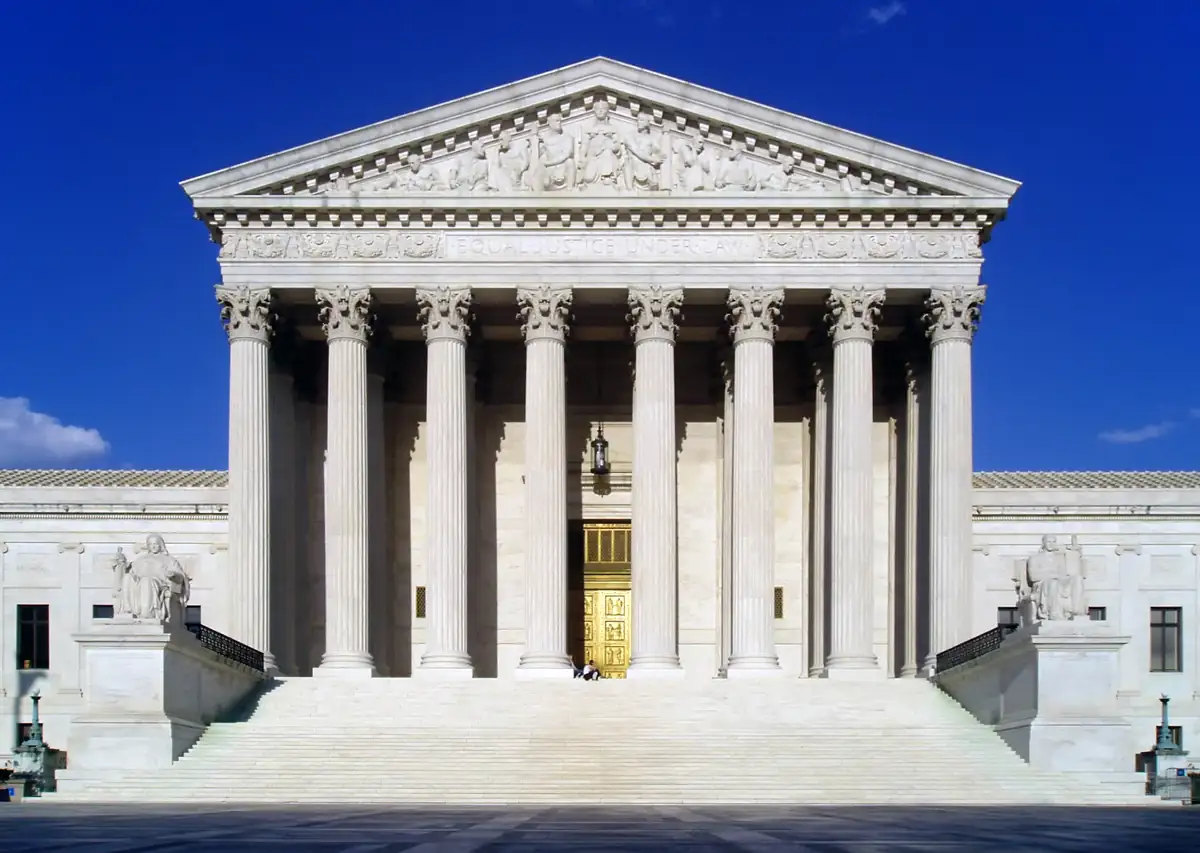
The US Supreme Court has rejected the final Republican emergency petition to redraw Missouri‘s congressional map, locking the state’s existing district lines in place for the November 2026 midterm elections. The denial was issued without recorded dissent — meaning no justice publicly disagreed with the outcome — and it ends what had been a ten-month campaign by Republican state legislators to gain an additional House seat.
What the Court Decided
The Supreme Court denied an emergency application for a stay of the Missouri state court’s redistricting ruling. That ruling upheld the current 6-2 map — six districts that lean Republican and two that lean Democratic — and rejected the state legislature’s proposed 7-1 HB1 map.
State and federal courts have issued multiple rulings over ten months blocking Republican attempts to redraw the Kansas City-based 5th Congressional District.
Why the Court Acted This Way
Two legal doctrines explain the outcome. The first is the Purcell principle, an established Supreme Court framework that as a matter of judicial practice disfavours changes to election rules close to a federal general election. Ballot printing deadlines, early voting systems, and precinct assignments are already in motion — a judicial order to redraw district lines at this stage would have created logistical chaos with no corresponding benefit.
The second is the limits of the Independent State Legislature theory. Some Republicans had argued that the US Constitution gives state legislatures essentially unchecked authority over federal election rules, which would allow the legislature to override the state court’s redistricting ruling. The Supreme Court addressed a version of this theory in Moore v. Harper (2023) and rejected the maximalist version. The Missouri denial reinforces that state constitutional provisions — including those allowing courts to review redistricting — remain operative, even close to a federal election.
What It Means for Missouri Voters
District boundaries are in place for November under the existing map. Candidates’ names on ballots are not changing. Polling places are not being reassigned. For voters who had been tracking the litigation — particularly in the Kansas City 5th District and the St. Louis-area 1st and 2nd Districts — the legal uncertainty is over for this election cycle. Missouri voters may face a future referendum on the district map.
The preserved 5th District includes urban core communities in Kansas City that sit along the Missouri River basin — an area with documented industrial Superfund sites and longstanding environmental justice concerns. Continued representation from that district rather than a redrawn one keeps those communities within a single congressional delegation for purposes of federal oversight and appropriations.
Implications for House Math
Nationally, the rejection removes one possible avenue for a Republican net House seat gain through mid-cycle state-level map adjustment. The overall November majority calculation remains tight, and the Missouri outcome is one variable in a multi-state arithmetic problem.
Read our overview of the 2026 midterm House battleground for a district-by-district breakdown of where the majority is likely to be decided. Read our explainer on the Purcell principle for background on how election-timing law works.
The November midterm election proceeds on the existing map.
Related Karmactive coverage: Supreme Court Blocks Missouri Congressional Map provide additional context for this story.