 Govind Tekale
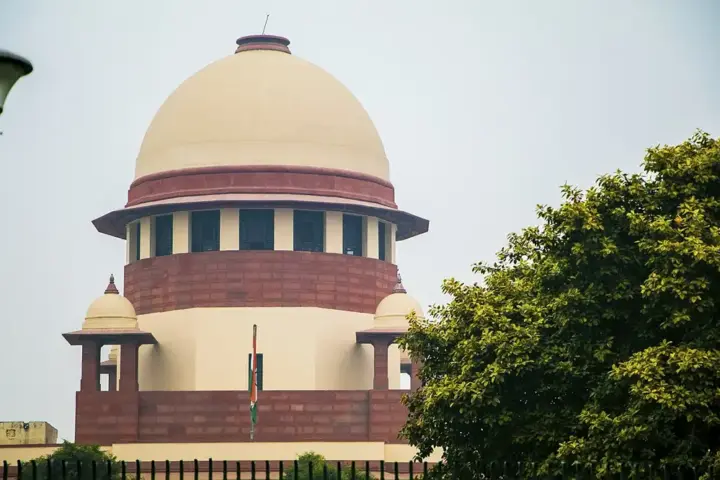
On September 25, 2026, the Supreme Court allowed the Trump administration to use a modified voter verification database linking Social Security and citizenship records. SCOTUSblog reported the Court cleared the way for the database ahead of the midterms. Simultaneously, the Court rejected a Trump-backed Missouri congressional map for the third time, according to KTVN. The Department of Justice had asked the Court to unblock the database on September 8, per the Washington Examiner. This is the central development in the Supreme Court voter database story going into the midterms.
If your registration details do not match the federal database, your vote could be challenged or flagged. With midterms approaching, voters need to check their election integrity status now — corrections take weeks, not days. The third Missouri map rejection signals the Court is actively blocking partisan redistricting, not merely reviewing it, a pattern worth watching alongside broader voter rights coverage.
This is the third time the Supreme Court has rejected the same Missouri map — a detail most outlets mention in passing but rarely emphasize. Three separate rejections signal deep legal trouble for the Republican redistricting strategy in the state. The Court is not just reviewing this map, it is actively and repeatedly blocking it.
What is the voter verification database the Supreme Court allowed? The database links Social Security records with citizenship data to verify voter eligibility. The DOJ had petitioned the Court since September 8 to unblock it. The Court’s September 25 decision allows temporary use before the midterms. Critics warn it could disenfranchise eligible voters whose records do not cleanly match.
A separate legal challenge to mail voting rules and voting rights restrictions in 23 states show the broader context of election integrity battles. The Jharkhand voter deletion row highlights how voter list disputes play out globally.
The Department of Justice oversees the SAVE database expansion, while the DHS SAVE system has been used for decades to verify immigration status in benefit applications.