 Govind Tekale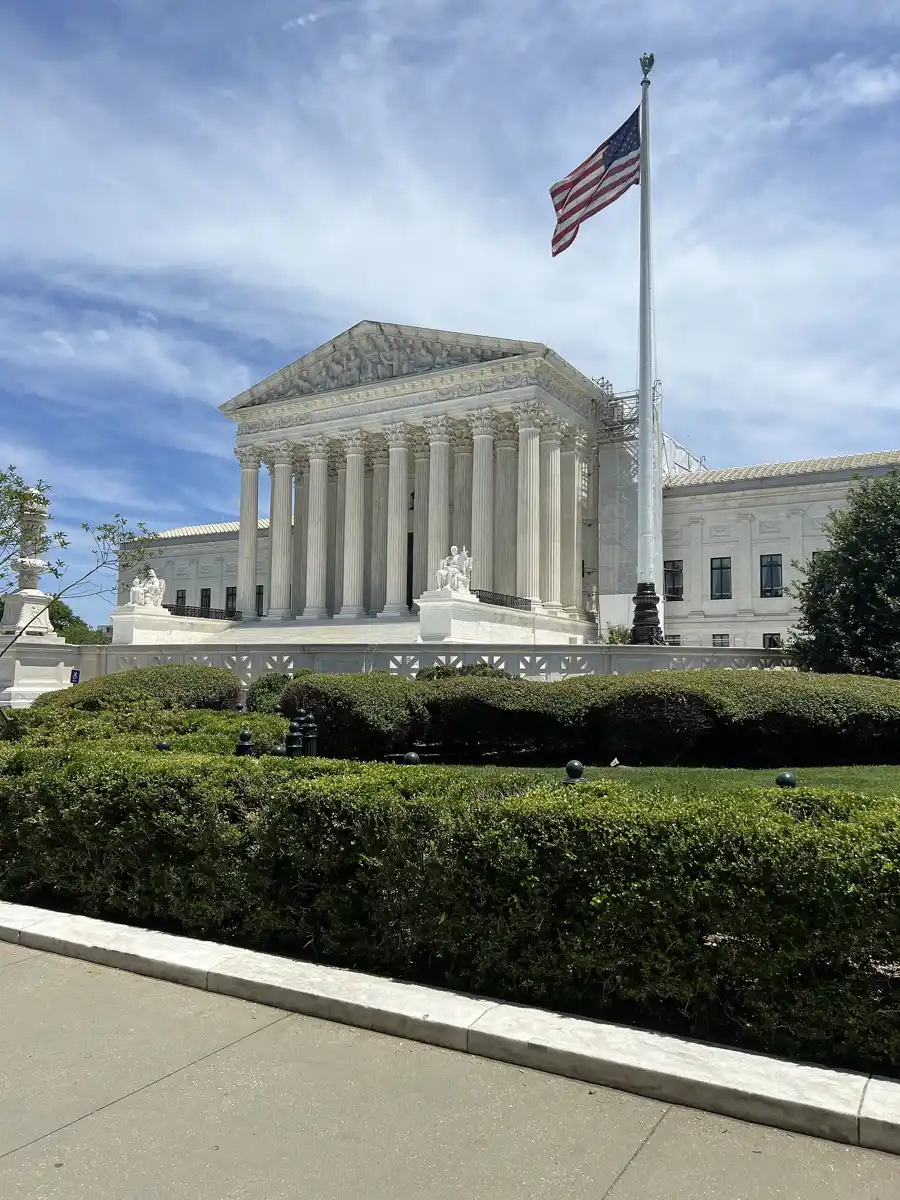
In March, President Trump signed an order that could fundamentally change how millions of Americans vote. It requires the U.S. Postal Service to restrict mail-in ballots to voters on federally-approved lists. And it might not even work in time for this November’s elections.
The executive order directs the Department of Homeland Security to build a database of eligible voters using Social Security Administration records and immigration data. The USPS would then send mail ballots only to people on that approved list. Sounds straightforward. But election officials and voting rights experts say it creates serious problems.
Start with the simplest issue: time. The USPS said in July 2026 court filings that it doesn’t have enough time to implement these changes before the midterms. Creating, maintaining, and transmitting detailed voter lists to states within months is simply not feasible. That’s not an excuse—that’s a logistical reality.
Then there’s the voter notification problem. If your mail ballot doesn’t arrive, you won’t know why. The order includes no requirement to notify voters when they’re not on the approved list or when their ballot fails to arrive. You mail in your ballot on time. But if you’re not in the system, your vote never gets counted. And you never find out.
Election officials are particularly worried about people who moved recently. Maybe you relocated across state lines in February. You’re registered to vote in your new state. But the citizenship verification database might not reflect that change yet. So you don’t receive a ballot. You show up to vote on election day. Too late—early voting has ended in many places.
Federal Judge Indira Talwani blocked the order on June 2, 2026, in 23 states. She found it violated constitutional voting rights and risked mass disenfranchisement. The Trump administration immediately asked the Supreme Court for emergency consideration, pushing to overturn the block before November elections.
This creates a timing nightmare. The Supreme Court would need to rule within weeks on one of the most important voting rights cases in years. And if the court sides with the administration, there’s virtually no time to implement it correctly.
The mail ballot debate has split sharply along partisan lines. Supporters argue unique ballot identifiers and verification databases improve election security. But security experts point out that mail voting fraud is extraordinarily rare. The bigger risk, they say, is that legitimate voters don’t receive ballots at all.
A coalition of 23 states and Washington D.C. sued to block the order, arguing it violates constitutional rights. They don’t dispute that election security matters. They say this particular approach creates more problems than it solves.
What happens next depends on courts and political timing. But for millions of Americans, the stakes are personal. If you rely on mail voting—maybe you’re disabled, working election day, or live far from polling places—this order could mean your vote doesn’t count, even if you follow every rule. And you might never know why your ballot disappeared.