 Tejal Somvanshi
COVID-19 is surging again this summer, and it’s following a pattern that keeps confusing health officials. Unlike flu, which only peaks in winter, COVID spikes twice a year—summer and winter. No one fully understands why, but the summer 2026 wave is here and ramping up.
The culprit is a variant called KP.2. It’s part of a family of strains that scientists nicknamed “FLiRT variants,” all descended from omicron. KP.2 has undergone mutations to its spike protein—the part that helps the virus attach to human cells. These changes make it more likely to evade immunity from previous infections or older vaccines.
The good news: updated vaccines are available. Manufacturers like Moderna, Pfizer, and Novavax have produced trivalent formulations targeting multiple variants for broader protection against evolving strains.
That’s an important distinction many people miss. Even vaccinated people might catch COVID. But vaccination dramatically reduces your chances of serious illness, hospitalization, or death. That remains true with updated shots.
There’s also a new treatment worth knowing about: Xocova. This drug works differently than vaccines. You take it after COVID exposure to significantly reduce your infection risk. It’s another tool beyond vaccination.
Federal guidance has shifted noticeably in 2026. The CDC no longer recommends that everyone aged six months and older get vaccinated annually. Instead, it recommends “individual-based decision-making.” This change happened because the Trump administration challenged CDC vaccine recommendations through litigation. Without updated federal guidance, people are left figuring out vaccination strategy on their own.
Who should definitely get the updated vaccine? Adults 65 and older, people in long-term care facilities, and anyone with a weakened immune system. These groups have priority access. Immunocompromised individuals might need additional booster doses at six-month intervals.
What about the rest of adults? The CDC’s position is: it’s your choice, based on your risk. If you work around older people, have chronic health conditions, or just want protection, the vaccine is available. If you’re young and healthy with recent infection immunity, you might weigh the decision differently.
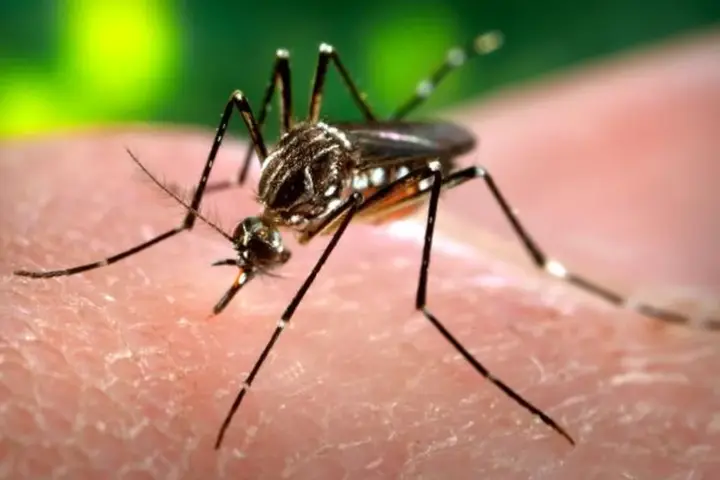
California is taking additional steps, enhancing vaccine access and monitoring West Nile virus alongside COVID. Multiple viruses spreading simultaneously means healthcare systems need to track both threats.
The takeaway: COVID isn’t going away. Summer surges will probably happen annually. Updated vaccines offer protection, even if not perfect. Talk to your doctor about whether an updated shot makes sense for your situation. And if you’re exposed to COVID, ask about Xocova as a post-exposure option. The tools exist to manage this virus better in 2026. You just need to understand which tool fits your circumstances.