 Rahul Somvanshi
Vietnam is building what is planned to be the biggest football and multi-sport stadium in the world in Hanoi. The arena’s scale would surpass every existing venue on earth. The land it is being built on has drawn questions about the project’s wider footprint.
The Trong Dong Stadium, backed by conglomerate VinGroup under its VinFast brand, is designed to seat 135,000 people inside a large retractable dome shaped after the traditional Dong Son bronze drum. It sits at the centre of a complex costing approximately VND 925 trillion (US$35 billion at current rates) on 73.3 hectares of land in southern Hanoi. The Hanoi government has indicated an August 2028 target for completion. The project would surpass North Korea’s Rungrado 1st of May Stadium at 114,000 seats and Morocco’s Grand Stade Hassan II at 115,000.
Vietnam’s plan to open the proposed world’s largest stadium marks a defining global sports infrastructure statement. The stadium site covers 73.3 hectares in the Thuong Tin district, within the wider Olympic Sports Urban Area of approximately 9,171 hectares. VinGroup’s project materials describe the development as incorporating water collection and recycling systems, natural ventilation design, and a target of 70% reduction in clean-water consumption — claims the developer has published and that remain subject to independent verification as construction progresses.
The arena has technical records beyond its seat count. The project features a large retractable dome, and its construction on an alluvial delta foundation in the Red River basin will require substantial structural engineering work appropriate to the ground conditions.
The Project’s Scale and What Official Materials Say
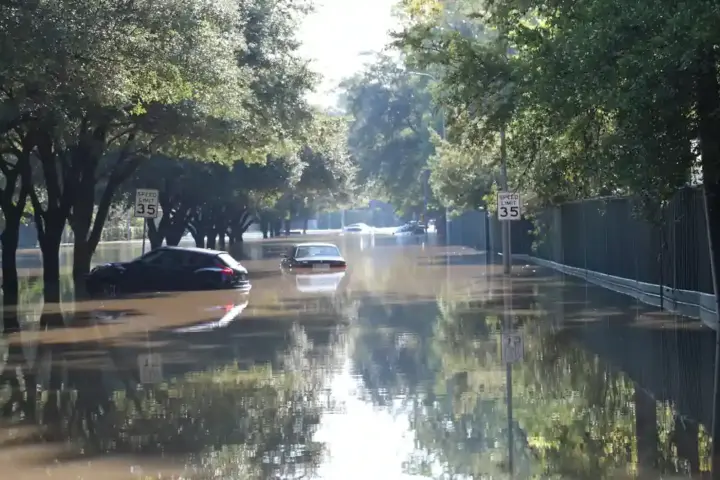
Promotional materials from VinGroup emphasise an integrated solar canopy and smart energy management as markers of sustainable design. The stadium site at 73.3 hectares is distinct from the wider Olympic Sports Urban Area, which covers a significantly larger footprint. Questions about the project’s relationship with surrounding land use and drainage in the Red River floodplain are a matter for the ongoing environmental review and planning process.
The August 2028 completion target is the key milestone — construction progress through late 2026 will determine whether that schedule holds.
London Design Festival — sustainable design and circular materials · Hanoi Olympic Sports Urban Area project · VMIJSC official stadium announcement