 Sunita Somvanshi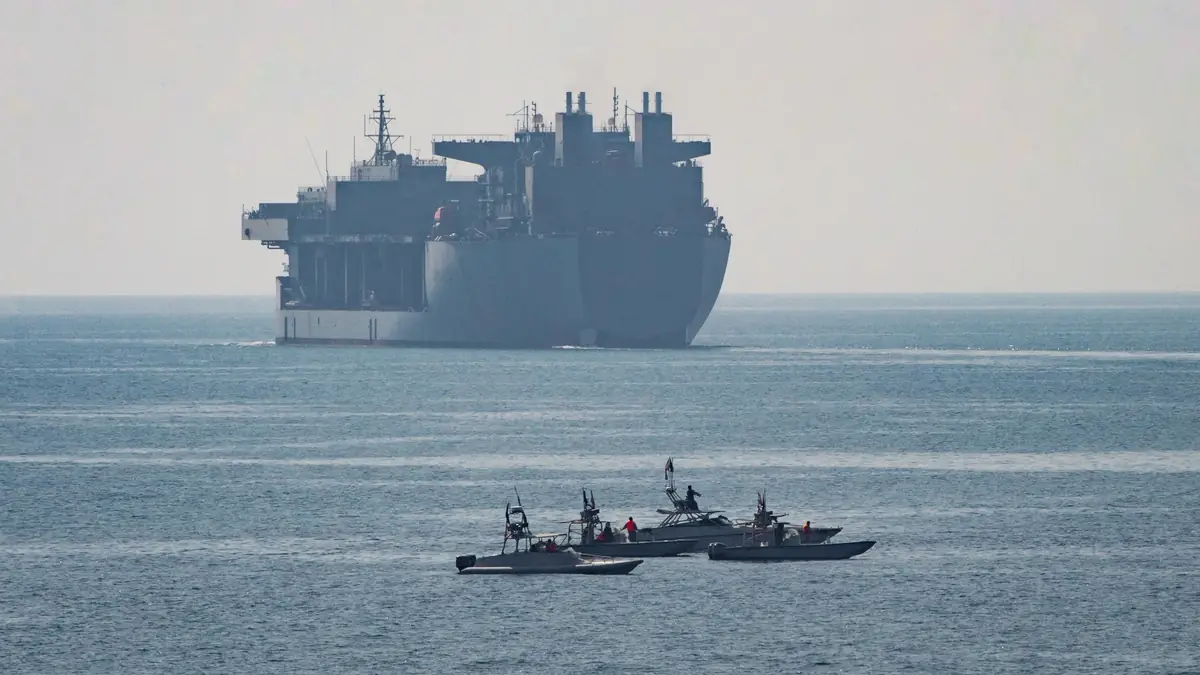
UNCLOS Transit Passage vs. Illegal Toll Schemes
U.S. Treasury has confirmed allegations of “illegitimate schemes” linked to Iranian entities PGMIC and HormuzSafe that reportedly extort vessels transiting the strait; the precise payment volume and operator participation remain unclear. What is also confirmed: oil exports from the Middle East climbed back above pre-war levels on several days in late September, even as harassment incidents targeting tankers increased. The market and the legal framework point in different directions simultaneously. The Iran Strait of Hormuz toll reports trace to Treasury’s allegations of extortion schemes and guidance from the Lloyd’s Market Association regarding transit-fee payments. The exact scale of operator participation and payment volumes has not been independently verified. What the data does confirm: approximately 20 to 21 million barrels of crude oil and refined petroleum products transit the strait daily, representing roughly one-fifth of global oil consumption and approximately a quarter of seaborne oil trade. The strait is 21 nautical miles wide at its narrowest point, with each shipping lane measuring just two nautical miles across. Since Karmactive reported on [Treasury U.S. economic sanctions on Iranian infrastructure-outcast/”>U.S. economic sanctions on Iranian infrastructure-outcast/”>U.S. economic sanctions on Iranian infrastructure-outcast/”>U.S. economic sanctions on Iranian infrastructure-outcast/”>U.S. economic sanctions on Iranian infrastructure targeting Iranian transportation firms](internal-link-280870), attention has shifted to whether Iran is seeking direct financial leverage over International Maritime Organiz International Maritime Organiz/analysis/special-topics/World_Oil_Transit_Chokepoints”>U.S. Energy Information Admini flows at the chokepoint itself. G7 finance ministers are coordinating a potential G7 G7 G7 G7 G7 G7 coordinated emergency oil reserves emergency oil reserves emergency oil reserves emergency oil reserves emergency oil reserves emergency oil reserves release of crude and diesel from 100-million-barrel strategic petroleum release strategic petroleum release strategic petroleum release strategic petroleum release strategic petroleum release stockpiles to counter any price spike from continued Hormuz disruption. While oil futures pulled back slightly following G7 reserve talks, ongoing tensions in the Strait of Hormuz remain a threat to household International Maritime Organiz/analysis/special-topics/World_Oil_Transit_Chokepoints”>U.S. Energy Information Admini costs. If maritime confrontations or perceived transit costs increase insurance surcharges, those costs move directly into wholesale fuel prices. The disruption could contribute to fuel-price volatility if shipping, insurance or crude-supply risks persist. ## UNCLOS Transit Passage vs. Illegal Toll Schemes Under Part III of the United Nations Convention on the Law of the Sea, the Strait of Hormuz is classified as an International Maritime Organiz strait used for navigation between two parts of the high seas. Under Article 38, all vessels—commercial tankers included—hold the right of transit passage. Coastal states bordering international straits cannot legally suspend or impede non-threatening commercial navigation in peacetime. Any formal Iranian toll imposed on commercial shipping would constitute a violation of international maritime law. London marine underwriters have raised war risk insurance premiums in the Persian Gulf. For large crude carriers, elevated premiums add costs per voyage that flow directly to retail U.S. Energy Information Admini prices before any formal policy decision is made. Current market rates should be confirmed against live insurance-market data before publication. Under UNCLOS, the Strait of Hormuz is an international strait where commercial vessels hold the right of transit passage. Coastal states including Iran cannot legally levy tolls or impede non-threatening commercial shipping during peacetime. The Treasury has alleged extortion schemes involving specific Iranian entities, though the precise scale and operator participation remain unconfirmed. Naval task forces from the U.S. and allied United Nations Convention on t maintain active presence in the Persian Gulf and Arabian Sea. The G7 strategic reserve consultation is ongoing. Progress on insurance risk reduction would have more immediate consumer impact than any formal diplomatic outcome. Check the linked resources on [G7 emergency oil reserve coordination](internal-link) for updates as the situation develops.
Get a push notification when new articles are published on Karmactive.