Sunita Somvanshi
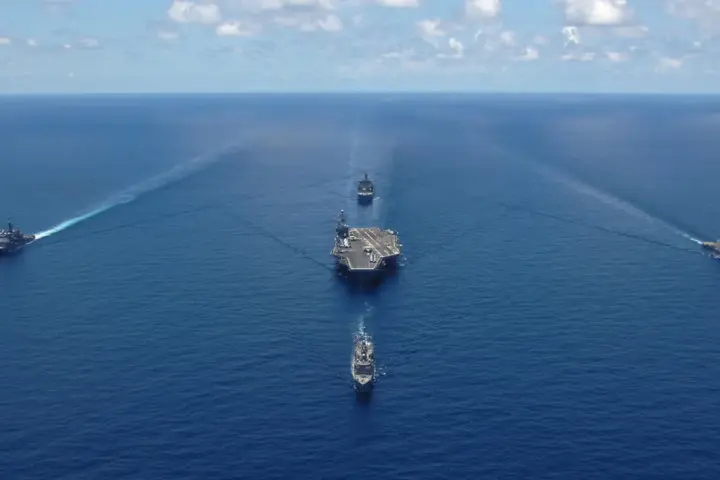
President Trump has rejected Iran’s proposal to reopen the Strait of Hormuz under negotiated terms, according to reporting by CNN and Al Jazeera. The decision eliminates the most immediate diplomatic off-ramp in a standoff that has kept global crude oil markets volatile and commercial tanker traffic severely disrupted. Here is what Iran proposed, why the White House said no, and what it means for fuel prices in the weeks ahead.
What Iran Proposed
Iran offered a conditional demilitarisation of the Strait of Hormuz in exchange for comprehensive US sanctions relief. The administration characterised the terms as non-enforceable. No immediate counter-proposal was made public, though subsequent mediated talks were reported by Reuters.
Why the US Rejected It
The White House cited two core objections. First, the comprehensive sanctions relief Iran demanded was described as disproportionate to what was being offered — a conditional and reversible opening of a waterway Iran does not legally own. Second, and more technically significant, Iran’s proposal would have effectively excluded American-flagged vessels and allied commercial ships from free navigation rights under international maritime law, establishing a precedent that Iran can impose terms on one of the world’s highest-volume shipping lanes.
The Strait of Hormuz carries approximately 20% of the global petroleum supply in normal operating conditions.
The Insurance Problem Nobody Is Fixing
Even if a diplomatic agreement had been reached, commercial tanker traffic faces a separate obstacle that negotiations alone cannot resolve quickly: war-risk insurance premiums. Lloyd’s Joint War Committee classifies the Persian Gulf and the Strait of Hormuz in an elevated risk tier. At those premium levels, the operating cost of routing a supertanker through the Strait creates significant cost barriers for many commercial operators — even in the absence of active hostilities.
This means that the tanker traffic disruption is not simply a function of whether guns are firing. It is a function of actuarial tables that adjust on months-long cycles. Even a ceasefire or a political agreement would take weeks to translate into reduced insurance premiums, and months before normal shipping volumes resumed. The practical effect: disruption to global crude supply chains continues regardless of whether a deal is eventually struck.
What This Means at the Pump
Wholesale crude pricing absorbs supply disruption risks in advance — markets price the probability of continued disruption, not just the current physical reality. With the rejection of the Hormuz framework, the probability of a rapid resolution has declined, which analysts expect to be reflected in wholesale pricing. Businesses reliant on diesel, aviation fuel, and petrochemical inputs face immediate surcharge exposure. Supply-chain logistics operators should revisit fuel surcharge clauses in active contracts. Read our explainer on energy supply fragility and global shipping chokepoints for background on alternative crude routes through Saudi Arabia and the UAE.
What Comes Next
Gulf states — particularly Saudi Arabia and the UAE — have been conducting separate back-channel mediation. An upcoming UN Security Council session is expected to include a formal debate on Hormuz navigation rights. Neither development has a confirmed timeline for resolution.
This story will be updated as diplomatic or military conditions change.