 Sunita Somvanshi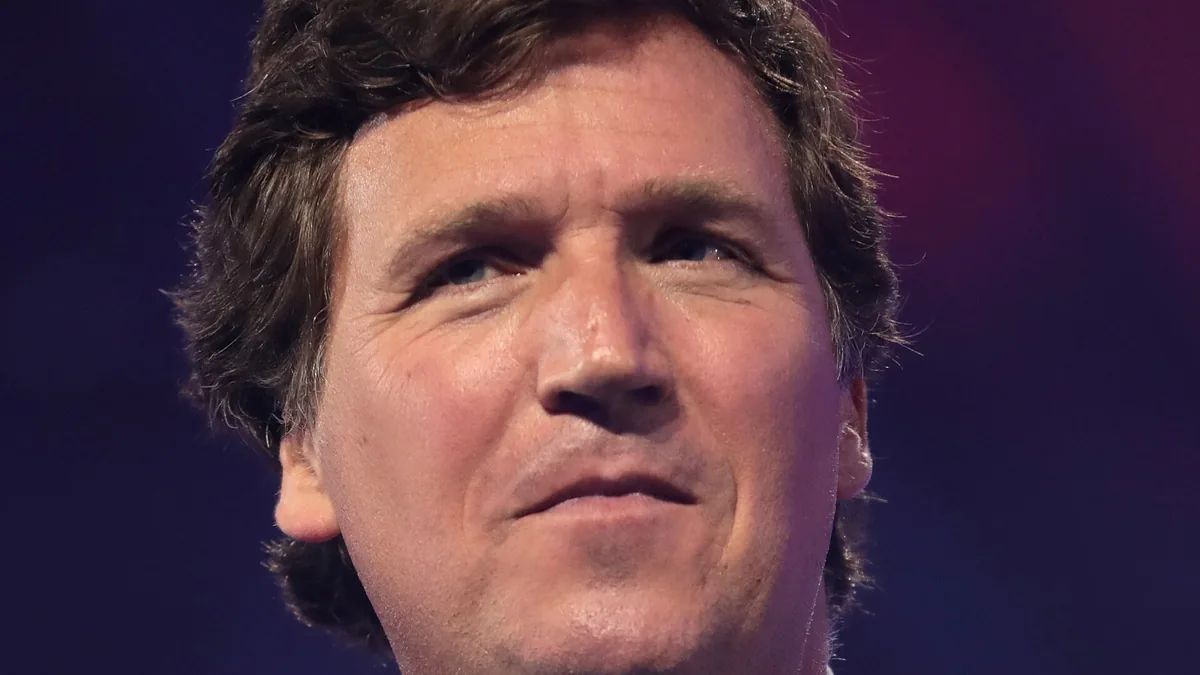
Tucker Carlson has issued a public rebuke of Donald Trump over the administration’s military escalation against Iran, raising concerns about decision-making inside the executive branch and explicitly mentioning the 25th Amendment. The break was reported by NPR and Axios, drawing on a Tucker Carlson Network broadcast and separate interview transcripts. For observers of the 2026 midterm elections, the split is not simply a media disagreement — it affects which way non-interventionist conservatives vote and whether Republican incumbents in competitive districts can hold their coalition together.
What Carlson Actually Said
Carlson characterised the Iran military engagement as a direct betrayal of the “America First” agenda Trump ran on. His argument was that the core campaign promise to avoid elective Middle Eastern wars has been abandoned — and that it has been abandoned not by Trump personally but by neoconservative foreign policy advisers who, in Carlson’s framing, are exercising de facto executive authority.
His invocation of the 25th Amendment — which provides for transferring presidential authority when the president is unable to discharge their duties — was not a claim that Trump is physically incapacitated. Carlson framed it around the question of whether elected leadership or unelected foreign policy staff are directing US military actions, describing the situation as one that warranted constitutional scrutiny. The White House pushed back on the characterisation.
Why This Is Not Just a Feud
The way most coverage is framing this — as a personal break between two prominent figures — misses the structural implication. Carlson has a substantial following among non-interventionist conservative audiences — voters who were attracted to Trump’s initial foreign policy posture, including opposition to NATO overcommitment, hostility to open-ended military engagements, and scepticism of the defence-industrial complex.
When Carlson provides explicit rhetorical cover for congressional Republicans to break party lines on foreign policy votes, he is not just venting. He is giving Republican House and Senate members in competitive midterm districts a political context in which supporting War Powers Resolution restrictions on the administration’s military flexibility in the Persian Gulf need not be framed as disloyalty to their base.
Read our analysis of War Powers Resolution precedents and how previous Congress-executive conflicts over military authorisation have played out.
Electoral Implications
Republican candidates in competitive House and Senate districts face a specific calculation: their majority constituency may be split between voters who support the Iran engagement on national security grounds and voters who view it as precisely the kind of elective war they voted to end. Carlson’s break widens that fracture and makes it harder for candidates to stay silent.
Midterm elections in the US historically turn on turnout. A visible fracture in conservative media, particularly over a military commitment without formal congressional authorisation, could affect enthusiasm among parts of the coalition. Read our overview of the 2026 midterm battleground map for the specific districts where this dynamic matters most.
What the Administration Said
The White House characterised Carlson’s position as misinformed and inconsistent with facts on the ground. No specific rebuttal to the 25th Amendment framing was published in the primary reporting reviewed for this article.
What to Watch
The key variable is whether any sitting Republican senator or House member explicitly endorses War Powers restrictions in public following the Carlson broadcast. That would shift the story from media conflict to legislative reality. Watch for congressional scheduling of any Iran-related authorisation or appropriations votes before the midterm recess.
This article will be updated as the congressional and electoral picture develops.
Related Karmactive coverage: Trump Open to Iran Sanctions Relief and Treasury Sanctions Iran Auto and Rail Firms provide additional context for this story.