 Sonali Tiwary
If you are an Omaha homeowner dealing with a flooded basement, two questions probably top your list: will the state pay for your damage, and does your insurance cover sewer backups? The direct answers are probably not automatically, and coverage depends on the cause of water intrusion and your specific policy.
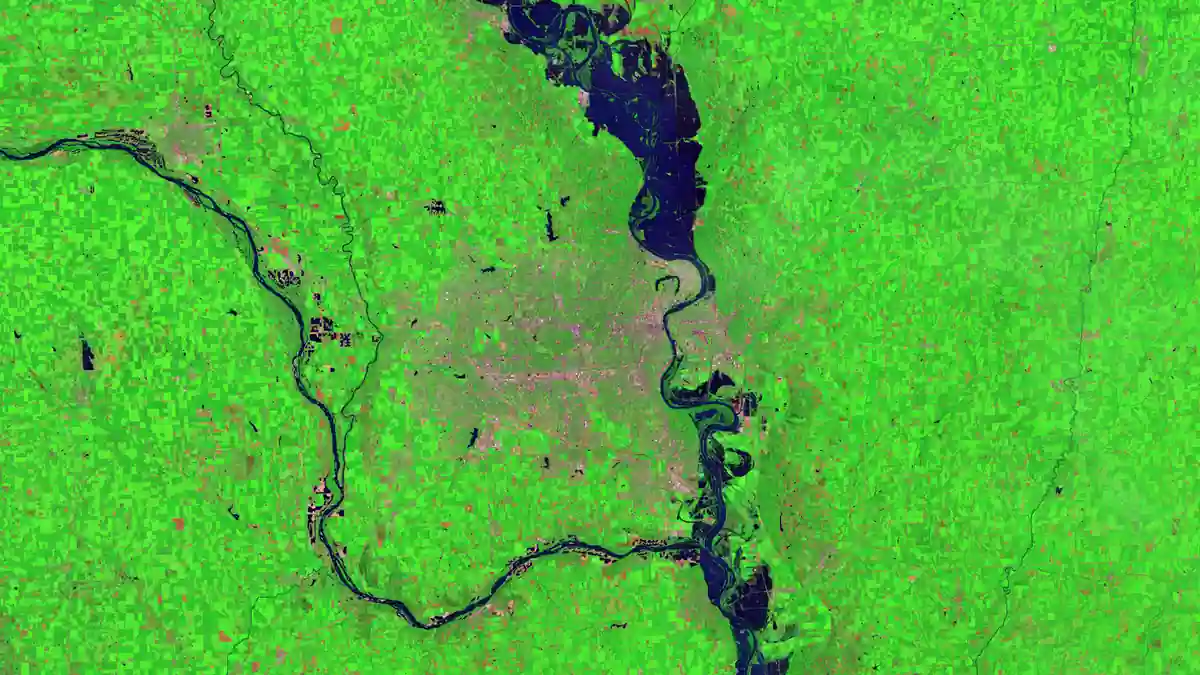
Nebraska Governor Jim Pillen signed an emergency proclamation following flash flooding across parts of the Omaha area. Remnant moisture from Hurricane Polo interacting with a frontal boundary produced the heavy rainfall. Flooding sent water into residential basements across the metro, with some properties reporting raw sewage consistent with overwhelmed municipal sewer infrastructure. Homeowners reported destroyed HVAC units, damaged finished basements, and lost personal property. Nebraska’s emergency declaration activates state resources and brings in coordination from FEMA, the Small Business Administration, and the Natural Resources Conservation Service. Damage assessments are ongoing.
For property owners affected by the Nebraska flooding right now, do not wait for official assistance before acting. Take date-stamped photographs of all damage before any cleanup begins — that documentation becomes essential if a federal assistance request follows. Coverage for sewer backups depends on the cause of the water and the specific policy. NFIP flood insurance can cover certain sewer-backup losses when flooding in the area is the proximate cause, while homeowners policies may require a separate water-backup endorsement rider. Check your specific policy immediately — coverage determinations depend on how water entered the property and what endorsements are in place.
Insurance Gap and What Homeowners Can Do Now Nebraska’s state emergency proclamation authorizes the Nebraska National Guard, frees state highway contingency funds for public infrastructure repairs, and coordinates the state response. It does not automatically provide direct cash grants to private homeowners for residential sewer damage. FEMA individual assistance requires a separate federal disaster declaration, which depends on whether damage assessments confirm losses meet federal thresholds. Nebraska is conducting those assessments now.
Once you have documented the damage, hire licensed water damage restoration contractors rather than attempting sewage cleanup yourself. Floodwater mixed with municipal waste contains pathogens that require proper extraction and disinfection. Keep all contractor receipts and invoices regardless of whether an insurance claim or federal assistance application follows.
For guidance on Nebraska’s emergency proclamation and what assistance may become available, see the Nebraska Governor’s emergency declaration. Affected homeowners should also review their specific policies with their insurance agents to understand coverage for flood and water damage.
Whether Nebraska meets the threshold for a federal disaster declaration is the most important next development. State damage assessments are still underway. Check back for updates when Nebraska submits its federal assistance request and FEMA announces a decision.