 Karmactive Staff
## Nor'easter Kills at Least One, Knocks Out Power to 150,000 as Storm Batters East Coast
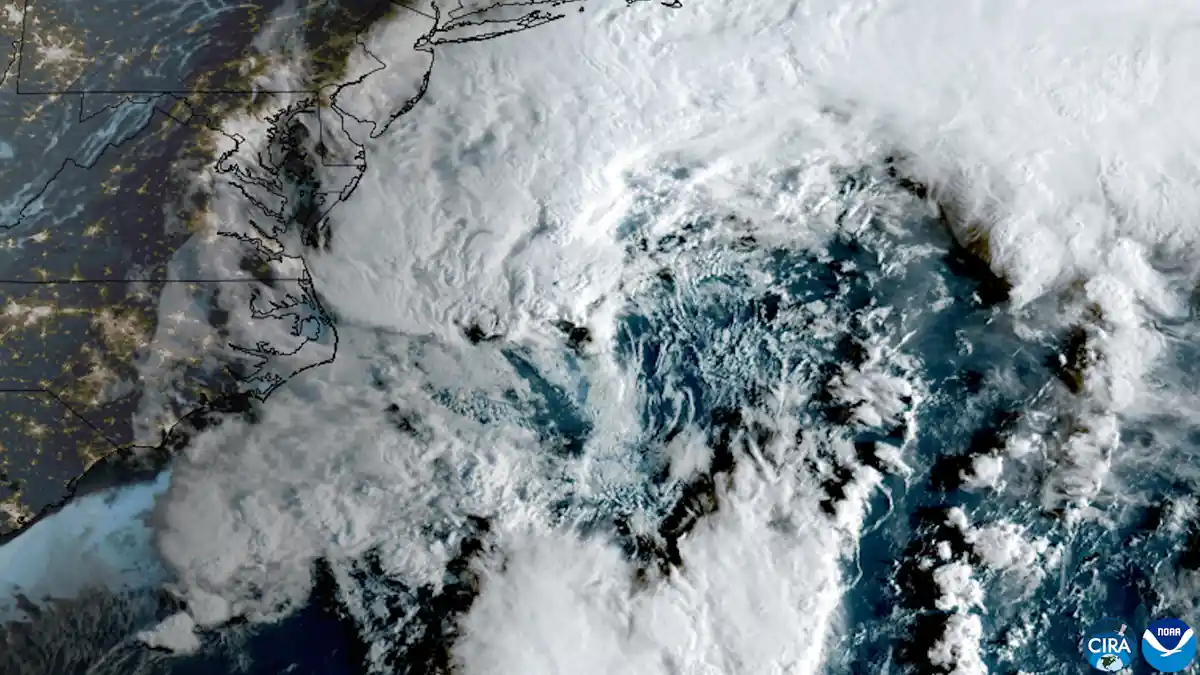
A nor'easter storm was affecting the US East Coast by September 26-27, killing at least one person and cutting power to nearly 150,000 households. Coastal flooding, high winds, and dangerous surf conditions have affected states from New York and New Jersey through New England.
What a nor'easter is
A nor'easter is an extratropical storm that develops over the Atlantic and moves up the coast, associated with strong winds from the northeast — hence the name. These storms are not tropical cyclones and do not follow the hurricane warning framework. They bring sustained wind, coastal flooding from wave action and storm surge, and heavy rain or snow depending on the season.
What has been confirmed
As of September 27, The Guardian reported at least one death linked to the storm and nearly 150,000 households losing power across affected areas. These figures may be updated as authorities complete their assessments.
Affected areas include New York and New Jersey as well as states further north into New England. Coastal flooding has been reported at multiple points along the Eastern Seaboard. Travel has been disrupted, with road conditions affected by flooding and fallen trees in some areas.
The National Weather Service, through its National Oceanic and Atmospheric Administration forecast offices, is issuing current advisories for specific zones. Anyone in an affected area should check the National Weather Service directly for their specific location rather than relying on general reports, as hazard levels vary significantly between coastal and inland areas.
Specific hazards still active
Beyond power outages, three categories of hazard deserve attention:
Coastal flooding: Storm surge and wave action can affect low-lying coastal areas even after the main wind event has passed. People near shorelines should check current tide and surge data.
Dangerous surf: Rip currents, high waves, and rough surf conditions can persist after a coastal storm. Follow local beach advisories and lifeguard instructions before entering the water in affected areas.
Travel: Fallen trees, flooded roads, and reduced visibility from rain remain live risks during and immediately after the storm's passage.
For anyone tracking major weather events affecting the US East Coast, this continues developing.
What to watch for
Power restoration timelines will depend on the extent of tree damage and infrastructure effects, which take time to assess. The National Weather Service will issue updated advisories as the storm system moves away. Death and casualty totals and restoration figures may be updated as authorities assess the full impact. Check back for updated figures as assessments progress.