 Sunita Somvanshi
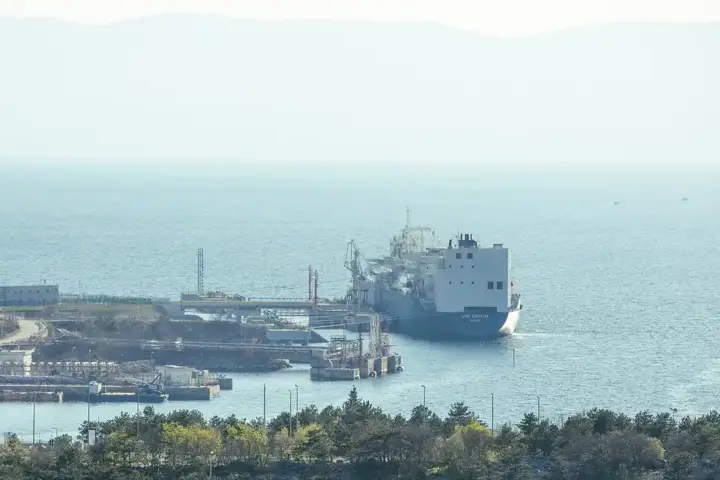
The White House swiftly dismissed Tehran’s attempt at de-escalation Saturday. Iran had conveyed a seven-day roadmap for reopening the Strait of Hormuz through Qatari intermediaries, hoping to restart one of the world’s most critical waterways. President Trump responded with categorical rejection, calling the proposal a non-starter while boasting of military dominance.
“I reject their proposal,” Trump declared, adding: “They’re losing so badly. Twenty-nine ships came out last night.” He accompanied the statement with a map relabeling the strait the “Trump Strait” — a geopolitical flex that underscored his administration’s maximalist approach to the standoff.
The development marks the second consecutive rejection of peace overtures. The White House previously dismissed an Iranian ceasefire proposal, signalling an escalating pattern where Washington shows no appetite for compromise with Tehran. The latest roadmap reportedly outlined port security protocols, international monitoring mechanisms, and phased reopening schedules — details that remain largely undisclosed by either government.
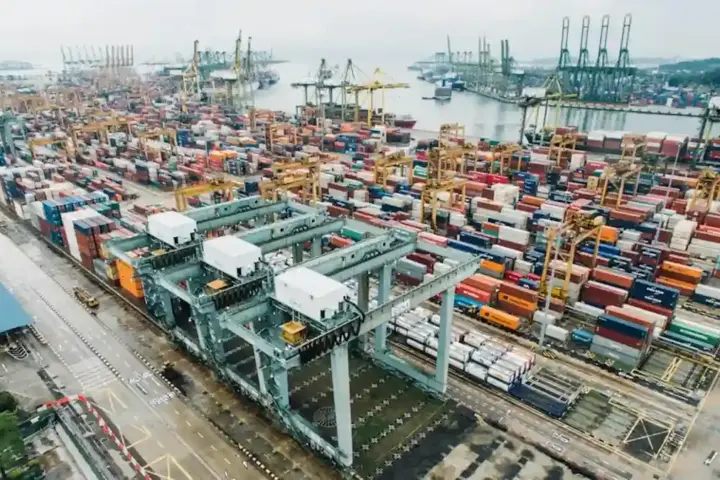
The global energy market is absorbing the consequences. The International Energy Agency forecasts a 5.7 million barrel-per-day supply decline and 2.5 million bpd demand decline in 2026, leaving a deficit of 1.75 million barrels daily. Brent crude has risen to near $103 per barrel. The U.S. Strategic Petroleum Reserve stands at 285.4 million barrels — its lowest level since 1983 — as Washington releases supplies to stabilise prices. The UNCTAD reported that oil trade now comprises 25 percent of global maritime commerce, making the strait’s status a lever that affects shipping costs worldwide.
The Map as Message
Trump’s decision to rebrand the waterway serves multiple purposes. Domestically, it plays to an audience that views the rejection as strength. Internationally, renaming a body of water that no U.S. administration has previously claimed ownership of sends a message about America’s assertiveness in contested spaces. Whether the name sticks depends on broader diplomatic recognition — a low probability at present, but symbolism matters in this context.
The roadmap Iran proposed reportedly addressed specific infrastructure needs: inspection protocols that would ensure neither military equipment nor weaponry transits the strait, and third-party monitors rotating between Arab League and European Union representatives. The plan also included graduated reopening phases, starting with merchant vessels before permitting tanker traffic. None of these details have altered Washington’s position.
Market watchers are monitoring two variables: whether Trump’s administration releases more SPR barrels (the reserve is now critically low), and whether regional powers attempt alternative routing through southern passages. Both routes exist but cost more in time and fuel, raising global logistics expenses.
The rejection leaves unresolved what happens next. Iran has made its opening move; the United States has responded with dismissal and rhetorical escalation. Neither side has signalled willingness to negotiate terms fundamentally different from the original proposal. Energy prices will continue absorbing this uncertainty until resolution appears plausible — a condition that remains absent from current diplomatic positioning.
Q: What happens if the Strait of Hormuz stays closed?
A: Oil prices would spike further. Global supply is already strained, with only 7 vessel transits recorded through the strait on Wednesday against a 10-day average of 14. Alternatives exist but cost more in time and fuel.
Q: Why does Trump call it the Trump Strait?
A: Trump posted a map on Truth Social labelling the Strait of Hormuz as “Trump Strait.” The renaming is a territorial claim that makes diplomacy harder, not easier. No U.S. administration has previously claimed ownership of the waterway.
Q: How long can the world function without Hormuz shipping?
A: The Strait carries 25% of global seaborne oil trade. Alternatives take months to develop. The IEA has stopped assuming the strait reopens this year.