 Sunita Somvanshi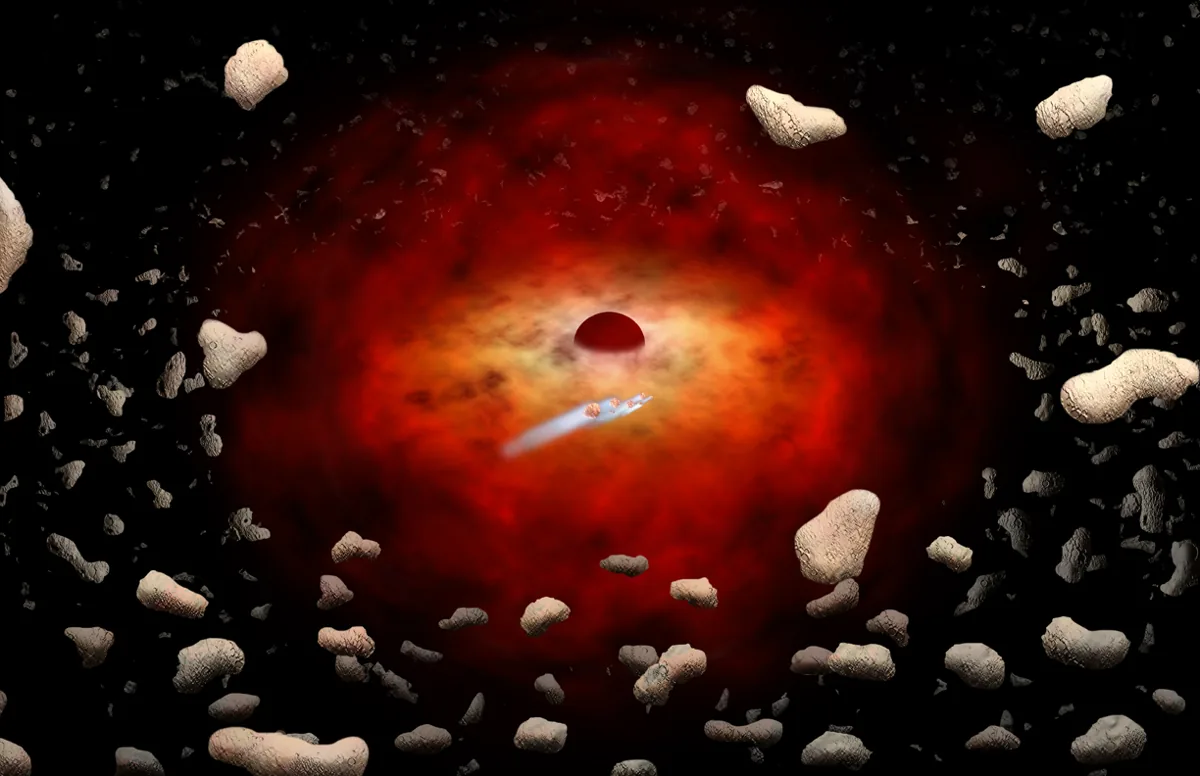
A small asteroid that entered Earth’s atmosphere near north-western Australia on 6 September became a rare live test for planetary defence systems. EarthSky reported that the object, initially called CERNQ52 and later reported as 2026 RW1, was the 13th asteroid detected before impact.
The object was not dangerous. NDTV, citing NASA and ESA alerts, reported it was about 0.8 metres across and burned up harmlessly over the Indian Ocean. But the value of the event was not the fireball. It was the sequence: detection, orbit calculation, impact prediction and public confirmation before atmospheric entry.
A harmless rock with useful data
Small meteors enter the atmosphere often, but they are usually noticed only after they burn. This one was spotted early enough for observatories and planetary-defence teams to calculate its path. That makes it a systems test for the same network that would be needed if a larger object were heading toward land.
The European Space Agency’s planetary defence work focuses on detecting near-Earth objects and improving warning time. The Australia event shows why that work matters even when the object is harmless. A correct prediction builds confidence in the chain of telescopes, data centres and alerts used to assess risk.
Karmactive has tracked asteroid-risk stories before, including the close monitoring of asteroid 2024 YR4 and research linking many meteorites to young asteroid families. The 2026 Australia case adds a new angle: the warning system itself was the event.
EarthSky also noted a possible orbital wrinkle, attributing to a Minor Planet Mailing List contributor the suggestion that this may have been the first Aten-type asteroid detected in space before impact. That point should be treated as an attributed technical observation, not as the main verified public-safety claim.
The practical takeaway is simple: this was not a disaster narrowly avoided. It was a harmless atmospheric entry that let scientists rehearse the timing, accuracy and communication needed for a more serious object.