 Tejal Somvanshi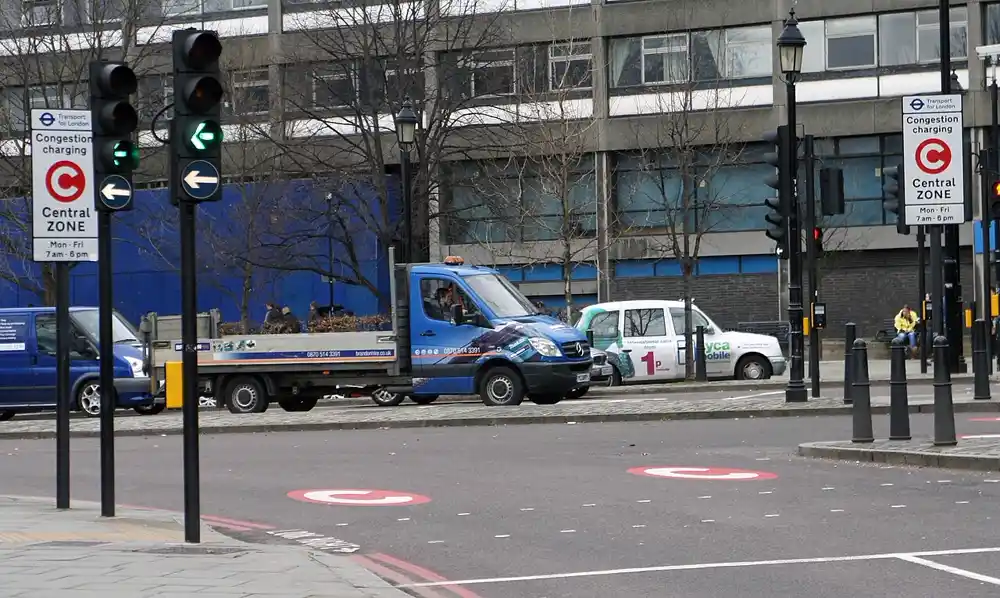
Children in London whose lung growth was held back by dirty air have caught up with their peers after the city’s clean-air zone cut pollution, in what scientists describe as the strongest evidence yet that clean-air zones can undo some of the harm to young lungs.
The Ultra Low Emission Zone, or Ulez, was introduced in central London in 2019 by Mayor Sadiq Khan, charging the most polluting vehicles a daily fee to drive in the city centre. The measures were later expanded to cover the whole capital, though they also drew political opposition and protests.
Researchers from Queen Mary University of London followed more than 3,400 children aged six to nine in London and in Luton, a nearby town with a similar mix of traffic pollution but no clean-air zone. The children had lung capacity tests every year from 2018 to 2022. Before Ulez began, London children had smaller lung capacity than children in Luton.
After the zone was introduced, that gap closed. The London children’s lung growth sped up, and by the end of the five-year study their lung capacity had reached near-identical levels with the Luton group. The share of children whose lung capacity was clinically impaired fell from 14% to 9% in London, compared with a fall from 9% to 7% in Luton. Measurements of nitrogen dioxide, a harmful exhaust gas, dropped twice as fast in London as in the comparison town.
Professor Chris Griffiths, a senior author at Queen Mary University of London and the University of Oxford, said he was “stunned” by the results. “This shows an ambitious clean air zone can drive pollution levels down, rapidly restoring children’s stunted lung growth,” he said.
Not everyone is convinced the clean-air zone deserves all the credit. Professor Anna Hansell of the University of Leicester, who was not involved in the study, said the improvement likely brings lifelong health benefits but noted that air pollution fell across the country during the period, including through the pandemic. Kevin McConway, an emeritus professor at the Open University, said studying other cities would help separate the effect of the zone from other changes.
Dr Helen Wood, the lead author, welcomed the findings but warned against complacency. “Air pollution in both London and Luton — as well as other cities across the UK — remains above WHO guideline levels, so there is still work to be done,” she said. Over a billion children live in polluted cities worldwide, the researchers noted.
The study was published in The Lancet Public Health.